Maritime Nov 26, 2026
BWC Terminals boosts Chevron’s maritime logistics capabilities with new $316m facility
$316m Pascagoula terminal introduces a deepwater berth for MR and Panamax vessels, alongside 900,000 barrels of storage capacity, expanding crude oil supply and product export options for Chevron’s largest US refinery.
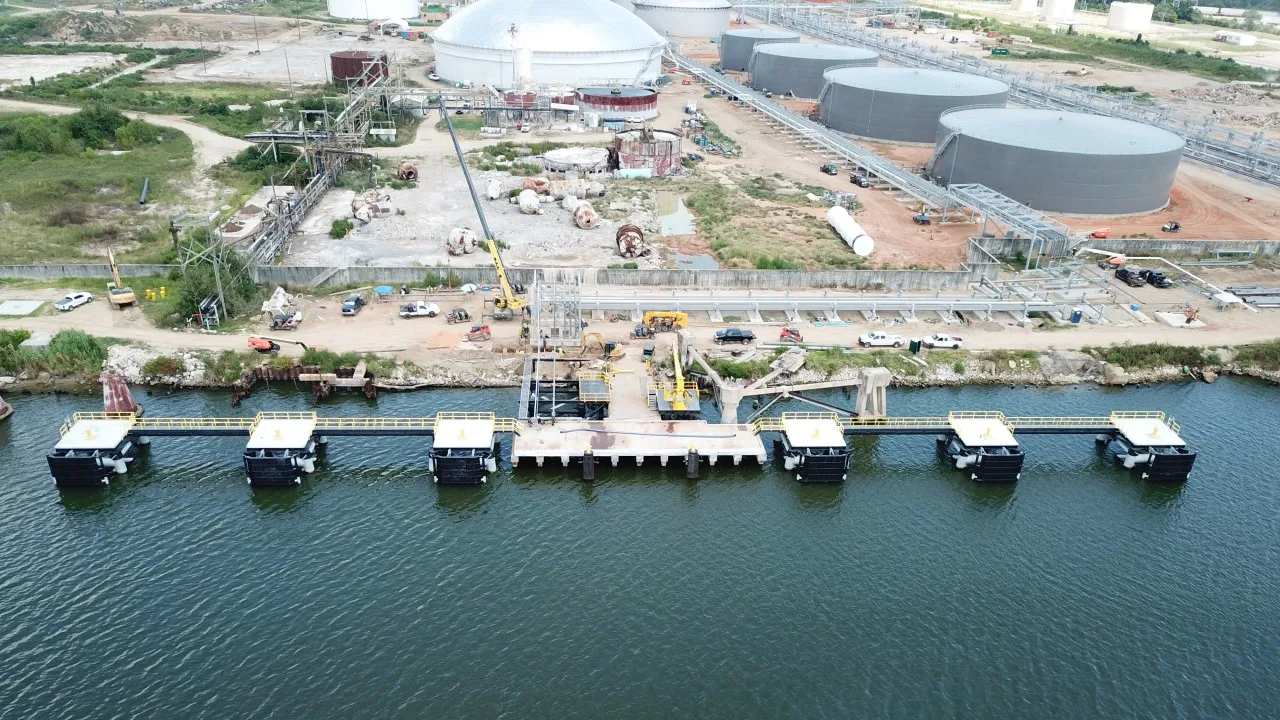
BWC Terminals has completed the first phase of a major bulk liquid storage terminal in Pascagoula, Mississippi, strengthening Chevron’s access to maritime transport at its largest US refinery. The $316m project, developed alongside the Chevron Pascagoula Refinery, will provide additional flexibility for both crude oil imports and petroleum product exports along the US Gulf Coast.
Construction proceeded on an accelerated schedule and several terminal systems were placed in service between July and November. The development also included the remediation of a previously contaminated site, requiring environmental cleanup prior to the installation of the new infrastructure.
A major driver of Chevron’s involvement is the prospect of obtaining crude supplies from Utah’s Uinta Basin. This grade is valued for its ability to make specialty lubricants, but getting it to Pascagoula has been a logistical challenge.
According to Adam Smith, President and CEO of BWC Terminals, the refinery faces limitations in its existing rail infrastructure and cannot accommodate 100-car unit trains. Speaking to Seatrade Maritime News, he explained that the new terminal addresses this constraint by providing the necessary unit train handling capacity.
Crude oil arriving from the Uinta Basin can now be received at BWC’s facility, stored in its tanks and transferred through a pipeline directly to Chevron’s refinery. This arrangement gives the refiner access to a crude supply that it would otherwise struggle to receive through its existing logistics network.
Beyond improving inland supply connections, the terminal also introduces an important maritime advantage. BWC has restored one of the two marine berths originally constructed on the site by a previous owner, creating an additional route for moving petroleum products by water.
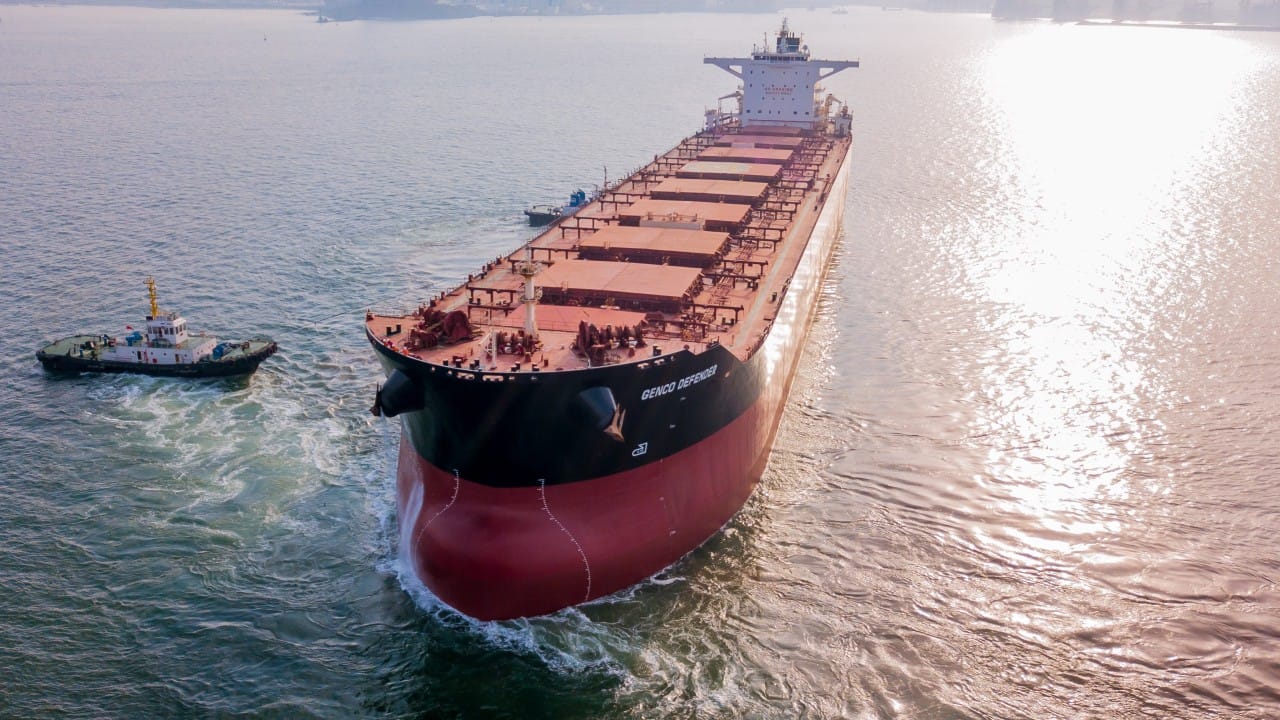
The refurbished dock can handle coastwise barges and medium-range (MR) and Panamax ocean-going ships. BWC has also identified potential for upgrades to the infrastructure in the future to accommodate larger Aframax tankers.
The terminal has storage facilities with a total capacity of 900,000 barrels made up of seven tanks. This capability can support a variety of operating needs, including receipt of crude oil by sea, storage prior to transfer to Chevron’s refinery, or the export of refined petroleum products.
Smith said the goal is to make the refinery more flexible in how it uses its available storage capacity, allowing operations to be adjusted to changing needs. So the marine connection offers more than just another shipping route. It offers more flexibility in the management of product flows in and out.
The Pascagoula development also reflects BWC Terminals’ broader expansion strategy across Gulf Coast markets. The company is primarily targeting coastal locations with deepwater access, seeking to develop its footprint in areas where its customers want to expand their operations.
As Smith explained, BWC intends to support customer growth through both organic development and acquisitions, particularly in markets where the company does not yet have an established presence.
With its combination of rail connectivity, pipeline infrastructure, bulk liquid storage and deepwater access, the new Pascagoula terminal strengthens the logistics options available to Chevron while supporting BWC Terminals’ ambitions to expand its presence along the US Gulf Coast.
END OF REPORT