Maritime Nov 26, 2026
North America accelerates alternative marine fuel development ahead of IMO climate talks
LNG bunkering is already established at several regional ports, while methanol, bio-LNG and ammonia projects are advancing across the United States, Canada and Mexico. However, the wider adoption of renewable marine fuels will depend heavily on the outcome of global greenhouse gas regulations.
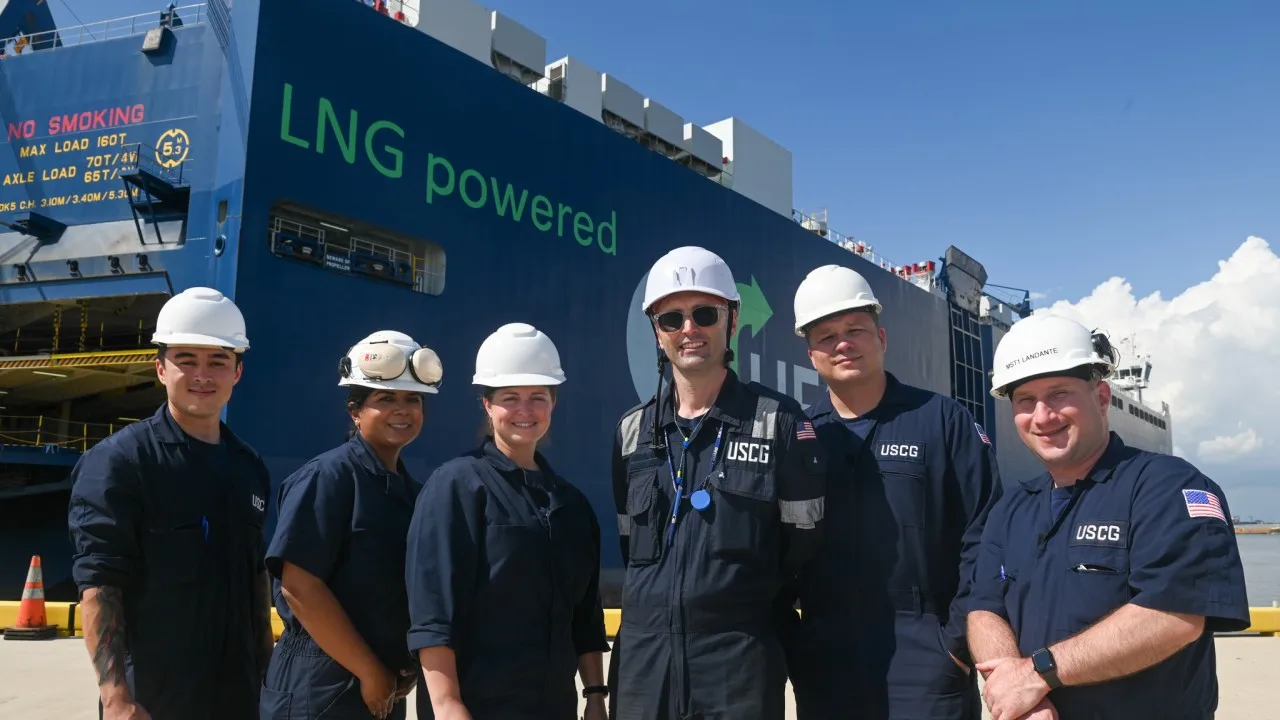
Ports and energy producers are expanding existing bunkering capabilities and developing new alternative fuel projects to give North America a stronger position in the transition to lower carbon marine fuels. However, the speed of this transition will largely depend on the establishment of international greenhouse gas (GHG) regulations capable of supporting investment in renewable marine fuels.
This is one of the major findings of a regional assessment released by the World Shipping Council (WSC) on 25 November. Fueling Shipping’s Energy Transition, the new report, states that North American ports are taking advantage of their existing bunkering infrastructure and the increasing capacity for producing alternative fuels.
Liquefied natural gas (LNG) bunkering is already available in several places in the region. In the meantime, first deliveries of methanol and bio-LNG have been made, with further investments in methanol and ammonia production and supply infrastructure in the pipeline.
Alternative Fuel Capacity Boosted by Gulf, Atlantic Coasts
Jacksonville and Savannah already are bunkering LNG along the US Gulf and Atlantic coasts. Savannah and Houston also have seen methanol bunkering.
Houston completed first US ship-to-ship methanol bunkering operation, taking on fuel from Canadian producer. The port has also been the site of a bioethanol bunkering operation, using a methanol-capable container ship.
The Gulf Coast remains a land of promise for the future. Projects include additional LNG supply infrastructure near Houston and proposed investments in biomethanol and lower-carbon methanol production capacity in Texas.
Developers are constructing an ammonia production plant in Louisiana that will employ carbon capture technology as well as natural gas. There is also discussion of the potential for ammonia bunkering along the Atlantic Coast.
“The initiatives are creating opportunities to widen the range of marine fuels available to vessels operating in the region,” says the WSC assessment.
Pacific ports prepared for methanol, bio-LNG surge
Tacoma, Washington is already providing LNG bunkering services on the US Pacific Coast. The Port of Long Beach in California has taken delivery of bio-LNG for one of its container vessels.
Los Angeles and Long Beach are also planning methanol bunkering trials with Singapore. A port study in 2026 estimates that Singapore's annual demand for methanol could grow to 250,000 tons by 2030, illustrating how large the nascent market could become.
The moves are part of stepped up efforts to develop alternative fuel supply chains in the major Pacific shipping hubs and foster cooperation between international ports.
Canada Eyes Green Corridors, Ammonia Exports
Canada is looking to build on existing LNG bunkering capabilities in Vancouver, in the Pacific North-west, while assessing opportunities to develop bio-LNG supply alongside the country’s expanding domestic biomethane production.
The country also is advancing plans for a green shipping corridor between the Great Lakes and St. Lawrence region and the U.S.
Another opportunity is emerging on Canada’s Atlantic coast around the production and export of wind-powered ammonia. According to the WSC report, this could eventually mean Canada can supply marine fuel markets beyond its own ports.
Mexico takes measure of renewable marine fuel
Mexico, too, is contemplating its own possible role in the regional transition. The assessment said authorities and industry stakeholders are assessing infrastructure readiness, domestic biofuel production and other renewable fuel opportunities at ports including Manzanillo and Lazaro Cardenas, both on the Pacific coast.
The assessments could help determine how quickly Mexican ports could be involved in developing alternative marine fuel supply chains.
A growing dual fuel fleet has huge potential demand
These developments in North America are taking place within the framework of a major transformation of the global liner shipping fleet.
There are 525 dual-fuel container ships and vehicle carriers in service globally, according to the World Shipping Council, with a further 821 on order. These ships represent a combined investment of more than $200 billion.
This pace of fleet growth is likely to generate a substantial demand for alternative marine fuels in the coming years.
The WSC estimates that these vessels could supply more than 20% of the energy needs of liner shipping by around 2030.
This represents a large potential market for renewable marine fuels. However, a supportive regulatory environment will be needed to guaranty fuel demand from fleet investments.
The council stresses the need for international greenhouse gas regulations to ensure commercially viable renewable fuels and the right incentives for investment in production and supply infrastructure.
MEPC 85 puts decarbonisation rules front and centre in
The regulatory dimension will be a key area of discussion at the upcoming 85th session of the Marine Environment Protection Committee (MEPC 85).
The four-day meeting will start on 30 November at International Maritime Organisation (IMO) headquarters in London.
The meeting is a major opportunity for the liner shipping industry to discuss the regulatory conditions needed to accelerate maritime decarbonisation.
The way it plays out may be crucial in shaping the course of the industry’s energy transition, particularly as shipowners, ports and fuel producers continue to pour major resources into alternative technologies and infrastructure.
In North America, the message is clear: the building blocks for a wider transition to marine fuels are slowly being put in place. But for them to be commercially successful, the world needs rules that can translate emerging projects and dual-fuel vessel investments into sustained demand for renewable fuels.
END OF REPORT