



Drug Discovery crop inspection for commercial
California port of entry makes huge drug bust of routine commercial load of fresh tomatillos (10/14/23) On Oct. 14, a major drug seizure was made at the Otay Mesa port of entry on a routine commercial load of fresh tomatillos. A Mexican tractor-trailer headed for a U.S. delivery point had nearly 1,600 pounds of methamphetamine hidden in its produce.
U.S. Customs and Border Protection (CBP) officers discovered the narcotics during an inspection. They had an estimated street value of some $2.5 million, the agency said in a statement.
The seizure also led to immigration action against the driver of the truck. CBP confirmed that the driver was served a visa cancelation under Section 212(a)(2)(C)(i) of the Immigration and Nationality Act.
This provision applies in relation to persons known or believed by the authorities to be engaged in illicit drug trafficking. It also covers those who knowingly assist, conspire or collude with drug traffickers. Immigration authorities can use the provision without a prior criminal conviction.
But CBP has not given a reason for revoking the visa. It is not public whether investigators know if the driver knew he was helping transport the drugs.
Federal authorities said they had seized
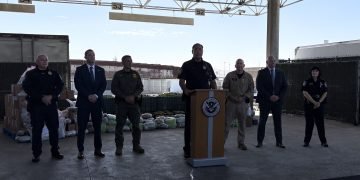
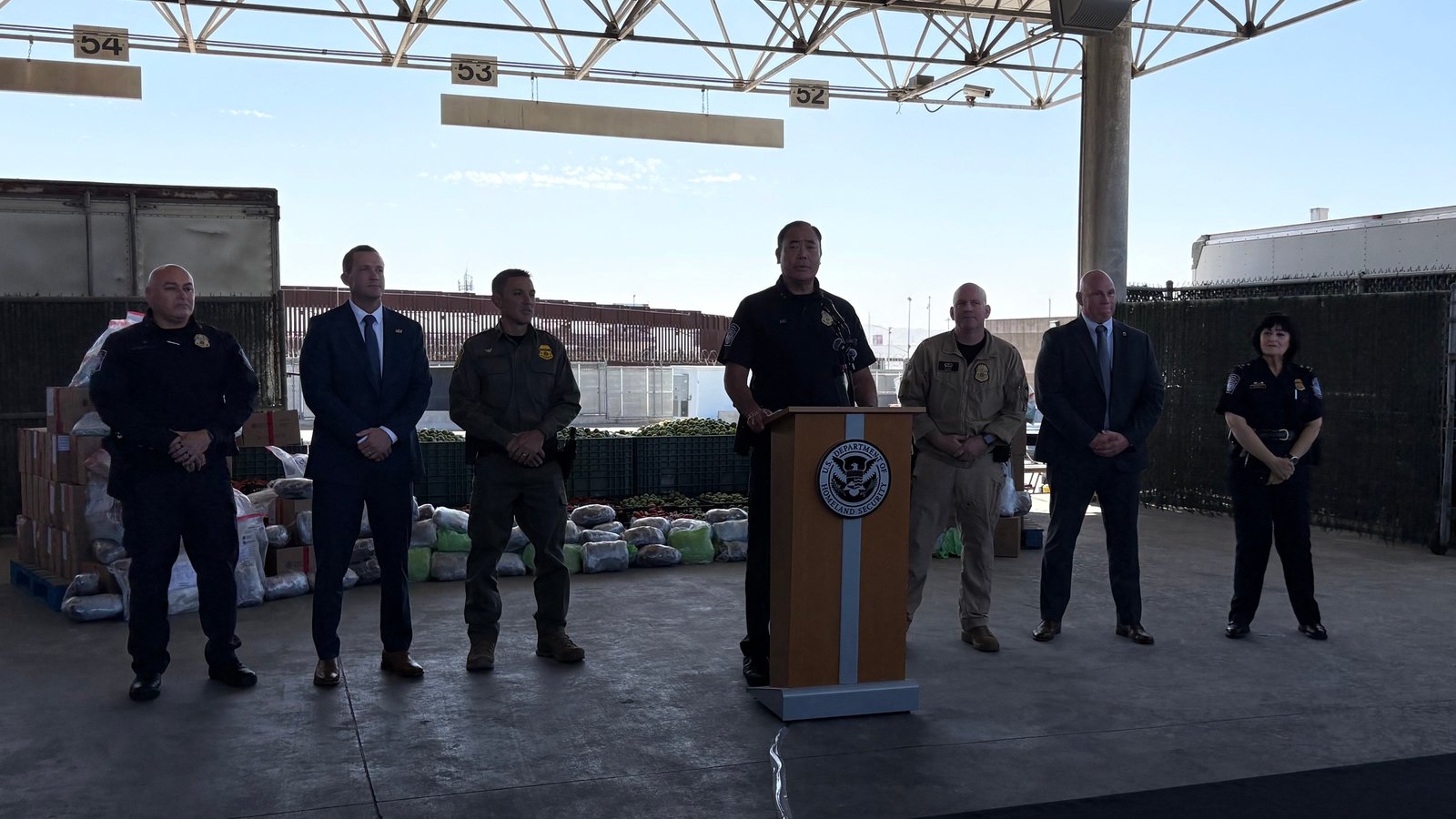
CBP announced the discovery on Oct. 16 at a news conference attended by several federal law enforcement agencies. It announced by representatives from the Office of Field Operations, Border Patrol, Air and Marine Operations and Homeland Security Investigations.
The first statement confirmed the drug seizure but had nothing to say about any immigration action against the driver.
The Otay Mesa seizure comes on the heels of a large methamphetamine seizure reported earlier this month by CBP at the Laredo World Trade Bridge in Texas. Officers later discovered approximately 3,396 pounds of methamphetamine stashed inside a commercial shipment of salt. Authorities said it had a street value of $30.4 million.
The two seizures were also very different in value of the narcotic. The Laredo shipment had a street value of about $8,900 per pound, compared to about $1,560 per pound in the Otay Mesa case.
CBP said it estimated the value of the California seizure at $2.5 million based on street prices in the San Diego area. The agency declined to comment on the gap between the two valuations.
After the announcement, FreightWaves contacted CBP for more details on the inspection and the trucking business. The agency did not say why officers inspected the shipment of tomatillos. It did, too, keep the drugs out of sight.
Driver Engagement, Carrier Liability Remain Uncertain
Still a lot of questions unanswered about how the shipment was done, who was involved.
CBP has not identified the motor carrier that hauled the load, nor has it made any public determination that anyone involved in the shipment knew the narcotics were being transported. Authorities also wouldn’t say if the driver was arrested or taken into Homeland Security Investigations.
There was no further information about any possible criminal charges. CBP could not comment further because the investigation is ongoing.
So, the only thing that can be proved from the data released by the agency on the motorist is the cancelation of the driver’s visa. The circumstances surrounding the alleged transport of the narcotics and the potential involvement of the carrier are not publicly resolved.
Impacts on transportation operations and cargo security
The seizure highlights the threat this illegal cargo poses to legitimate transit of commercial goods, especially in cross-border supply chains for agricultural products.
Such incidents underscore the need for cargo security procedures, shipment verification and traceable custody records for carriers, logistics providers and shippers. “Regular checks and documented handovers can help identify discrepancies during transport and establish the chain of responsibility if illegal goods are found by authorities.”
It was not known if the driver or carrier were aware of the narcotics prior to the seizure. This case underscores the operational and regulatory risk associated with concealing illicit goods in commercial freight.
“Effective oversight and accurate documentation of shipments are vital to protecting legitimate cargo activities and ensuring accountability throughout the supply chain.”