Land Nov 9, 2026
Chili’s Reshapes Its Supply Chain Strategy to Improve Food Consistency and Drive Growth
By placing restaurant operations and customer satisfaction ahead of cost reduction, Brinker International has strengthened supplier partnerships, improved product consistency and supported Chili’s sustained sales growth.
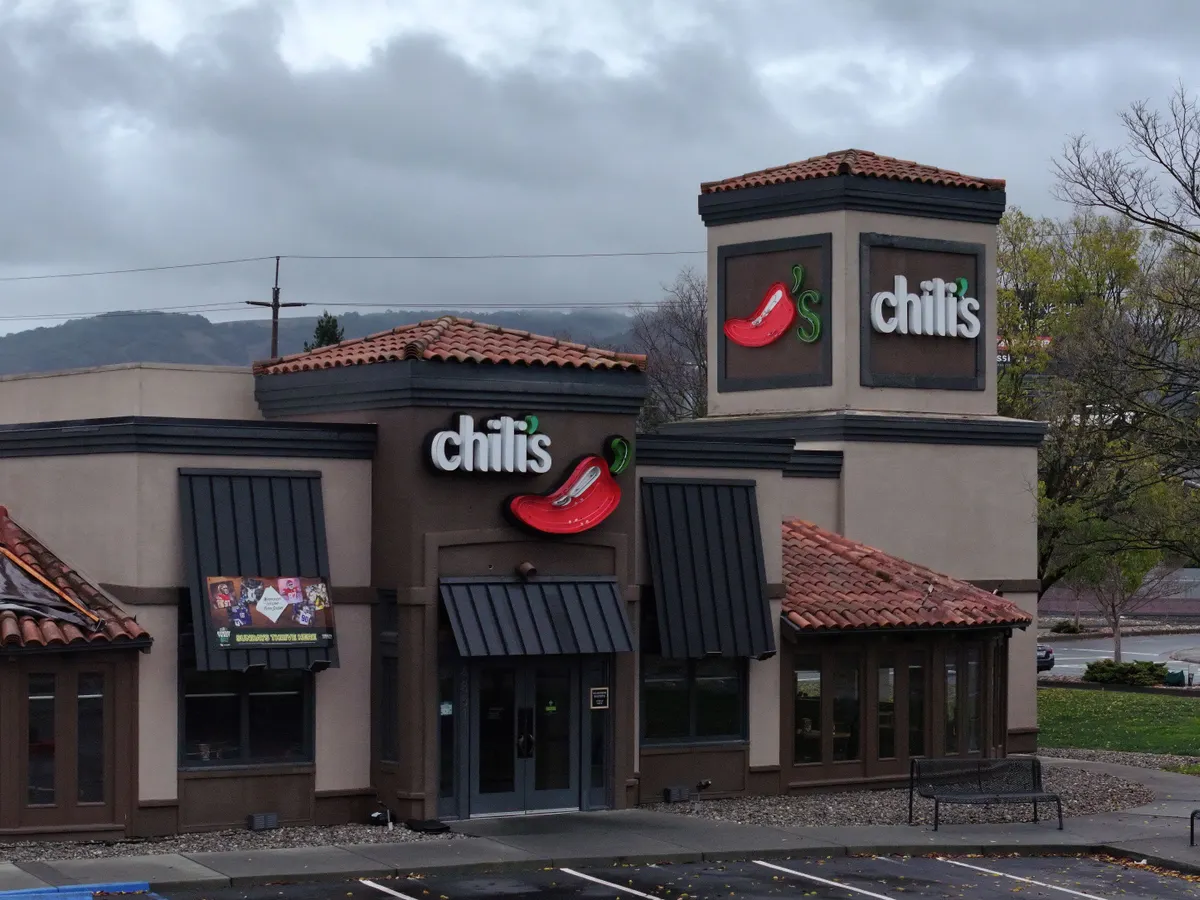
Behind the scenes, changes are increasingly fueling the ongoing commercial success of Chili’s as parent company Brinker International rethinks how its supply chain works. The restaurant chain has enjoyed 22 straight quarters of sales growth, with revenues up 10% year-over-year and total growth exceeding 50% in the last three years.
This performance is a far cry from the situation James Butler faced when he came to Brinker International in 2023 as Chief Supply Chain Officer. At that time, the company was in a stagnation and its supply chain strategy was very much focused on lowering the cost of purchasing. That approach, Butler said, often ignored the needs of restaurant workers and the overall customer experience.
He soon discovered that just cutting costs would not be a sustainable basis for growth. The company had to re-prioritize and make supply chain decisions that directly supported the restaurant operations.
Butler has spearheaded this strategic shift for almost four years. Instead of concentrating mostly on purchase negotiations and cheaper prices, his team now researches operational problems reported by restaurants and works backward to find the root causes at the supplier level. The goal is to work together with current suppliers to address problems at their source.
Butler, who is also Brinker’s Senior Vise President and Corporate Strategy Officer, believes employee satisfaction in restaurants is a key to business performance. The company also has Maggiano's.
Handling the day-to-day operational challenges
When Butler took over the supply chain, he and his team went looking for relatively small problems that were causing unnecessary work for restaurant managers and employees.
An example of this was the bread on the burger sliders at Chili’s. Before, the buns were sold in large sheets of 36 attached pieces. Restaurant prep staff had to de-separate them one at a time, a process that took about 30 minutes a day.
To find a solution, Butler asked the bakery supplier to come to one of the restaurants so he could observe the preparation of the food himself. Following the visit, the supplier agreed to alter its production method and to make the buns in lots of four.
The first prototype was delivered in 3 weeks’ time. The new setup did away with manual separation, but the buns still looked like they were cut uniformly, not ripped apart.
The updated buns went into production in January 2024 and were rolled out to 80% of Chili’s restaurants. The other sites had taken on the new product by January 2025. The company is working with the same supplier for the entire process.
The chicken tenders were another obstacle. Chili’s Chicken Crispers are big on portions, but the products from suppliers didn’t always meet the restaurant’s expectations.
The problem began with the product specification which details the characteristics and quality standards which suppliers must meet. The old language allowed suppliers to send smaller pieces of chicken that could resemble boneless wings rather than the larger tenders that customers expected.
These differences were putting at risk the restaurant's ability to deliver a consistent experience across its locations and drive repeat business.
In response, Brinker tightened product requirements and increased quality testing from once a month to once a week. Butler said the company has been doing weekly testing since July 2023 and plans to keep up that pace.
The changes are part of a broader realignment of supply chain priorities at Brinker. “Food safety is the company’s number one priority. The second is to reduce the operation difficulties of restaurant managers The third is cost management.
Supplier partnerships assist to meet growing demand
The growth of Chili’s has also created pressure on its distribution and procurement operations. 5-year same store sales growth is +71%, which means more needs for suppliers and logistics partners.
Perhaps the biggest example is the Big Crispy Chicken Sandwich, which debuted in April with several flavor options, including Honey Chipotle and Nashville Hot.
The product was a hit in no time. Within weeks of its launch, Chili’s was selling 161 percent more sandwiches than before the introduction. In the most recent quarter reported, the chain kept up the momentum, selling an average of 55 sandwiches per restaurant per day.
This kind of demand makes Butler particularly keen on supply chain planning. If people are coming to a restaurant just to buy a particular thing on the menu, the business has to have enough stock to satisfy the demand.
Chili’s has stepped up truck delivery frequency at some sites from twice to three times weekly to boost product availability. The company has also used its existing supplier network to secure production capacity and continuity of supply.
In the past commercial relationships have supported these changes, although suppliers have not always been quick to accept them.
Some partners were initially reluctant to go along with the stricter Chicken Crispers specs and more frequent quality checks. The additional requirements were making production and operational processes less efficient, suppliers said.
However, once suppliers began to see the commercial advantages of the changes, the relationship changed. Chili's has nearly doubled its spend in Chicken Crispers since the new requirements came into effect and is still using the same suppliers.
The increase showed that supply chain partners could also create new business opportunities by improving product quality and consistency.
Long-term relationships as a competitive advantage
Brinker increasingly lives by the notion that supplier performance and restaurant growth go hand in hand. Rather than focusing on purchase prices alone, the company is looking for partnerships where higher demand and better product standards are mutually beneficial.
Chili’s has had suppliers that have supported it for decades and Butler stressed the necessity of upholding those relationships. Some of our partners have been working with the restaurant brand for 30, 40, even 50 years.
“Suppliers need to be financially sound and profitable if they are to help the company develop in the long term,” he stressed. His goal is to ensure partners see their relationship with Chili’s as a valuable business opportunity and stay motivated to help it grow.
The strategy shows how operational improvements, product specifications, delivery frequency, and supplier collaboration can affect the overall performance of a restaurant chain.
For Chili’s, the change is more than a cost-cutting or purchasing-terms improvement. By addressing problems at the source, Brinker International is making its supply chain a direct contributor to customer satisfaction and continued business growth by streamlining restaurant operations and ensuring the capacity needed to meet increasing demand.
END OF REPORT