



Religious organisations could play a larger role in addressing Canada’s housing shortage by putting underused church properties to work, according to faith-based nonprofit Relèven.
Religious organisations are the country’s second-largest landowners after government, holding more than 30,000 acres of land. Much of that property is underused, and Relèven believes a portion could be suitable for badly needed housing developments.
Mike Wood Daly, Director of Research at Relèven, says that mobilising even 20% of the land owned by churches could make a meaningful contribution to easing Canada’s affordable housing shortage.
However, he says churches and developers need clearer guidance on how to turn available land into viable projects. Municipalities, he argues, have an important role to play by recognising church properties as potential sources of affordable land for housing.
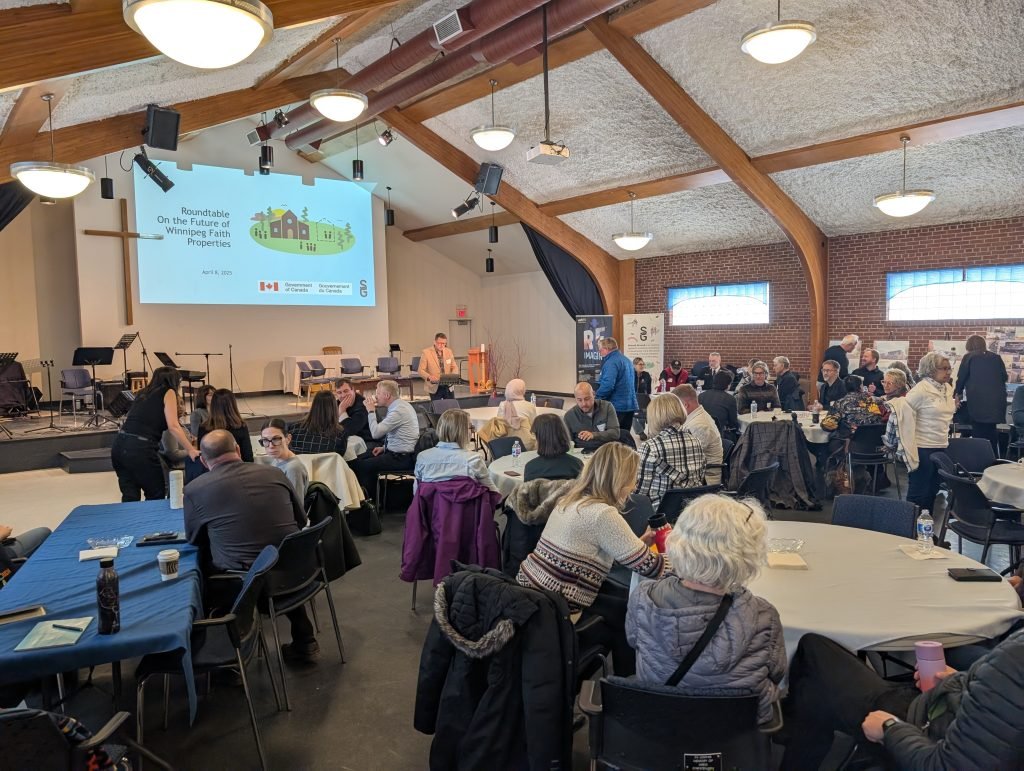
To explore these opportunities, Relèven has organised roundtables in several Canadian cities, bringing together church congregations, municipal politicians, planners, architects, public and private funding organisations and other stakeholders.
Churches and developers working together
One example highlighted by Daly is St. Mary’s Road United Church in Winnipeg, which is approaching the final stage of pre-development for a project that would replace its existing facilities with affordable housing, shared worship space and other community uses.
The project is targeting approximately 30% affordable housing while allowing the church to generate revenue and maintain a financially sustainable development model.
Daly says most church redevelopment projects will require partnerships with professional developers.
Under this model, the congregation contributes the value of its land, while the developer covers construction costs. Once the development is completed and generating rental income, both parties can recover their respective investments over the longer term.
One of the biggest obstacles, however, comes before construction even begins: securing funding for feasibility studies and other early-stage work.
Municipal support can unlock projects
Relèven’s discussions with municipalities have highlighted the financial challenges churches face during the early stages of redevelopment. The organisation says relatively modest financial incentives can sometimes be enough to move projects forward.
In Edmonton, discussions have contributed to a partnership between the city and a community foundation that provides up to $135,000 to churches undertaking early-stage feasibility studies.
The funding can help cover work such as geotechnical and traffic studies, as well as other municipal requirements.
Daly points to Edmonton’s rapid population growth and significant housing pressures as reasons why the city is taking church redevelopment opportunities seriously.
Other Canadian cities are also exploring ways to support the process. Winnipeg has introduced financial incentives aimed at helping churches with pre-development, while Vancouver is working on zoning changes that could make it easier for churches to advance redevelopment proposals.
Long-term projects with wider community benefits
For churches considering redevelopment, Relèven has created a nine-level online course covering the different stages and challenges involved in the process.
Such projects are not quick undertakings. Like many private-sector developments, converting church property into housing can take between five and 10 years from the initial concept to completion.
Relèven argues that the long timeframe should not discourage congregations. Repurposing church land could provide a long-term response to Canada’s housing shortage while also creating sustainable revenue streams that help religious organisations remain financially viable.
Daly describes the process as a crucial opportunity for churches to align their property assets with their wider mission.
Relèven, founded in Montreal in 2018, works beyond housing development. The organisation also supports church heritage preservation, modernised use of religious properties and sustainable revenue models, while helping connect congregations with developers, investors and municipalities.
For churches facing declining use of existing facilities, underused land could therefore become more than a dormant asset. With the right partnerships, financing and municipal support, it could become part of a broader solution to Canada’s housing needs while preserving a role for congregations within their communities.