



DHL Express today announced an average price increase of 5.9 per cent in the United Kingdom from 1 January 2027, with the annual adjustment reflecting inflationary pressures, currency fluctuations and developments in industry-specific costs.
The international express services provider said the new rates will be effective from the start of 2027 as it continues to adapt its pricing structure to the changing economic and operational environment.
“International trade continues to open up new opportunities for businesses as supply chains become ever more interdependent and complex,” said John Cornish, CEO, DHL Express UK. “We will continue to invest in our global network, digital capabilities, security infrastructure and sustainable logistics solutions to support our customers as they deal with this changing environment.”
“The annual adjustment is designed to allow DHL Express to continue to meet the level of service and reliability its customers expect, while also increasing the resilience and flexibility of its global operations, Cornish said.
Costs continue to feel pressure from the global market
DHL Express reviews its prices on an annual basis to reflect inflationary pressures, currency fluctuations and sector-specific cost developments. The company said its cost base is affected by local economic conditions and developments in markets around the world, with operations in more than 220 countries and territories.
Inflation is just one component of the overall cost environment. DHL Express also cited the continued pressure of energy costs, compliance costs and administrative costs related to changing customs, regulatory and security measures introduced by national and international authorities.
Higher operating costs are also driven by labor market pressures in some countries, which further increases the costs of operating a global international express network.
Additional investment in infrastructure and aircraft
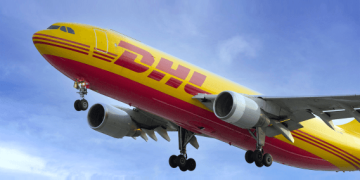
DHL Express said it continues to invest heavily in its infrastructure, fleet modernization programs, digital capabilities and operational resilience to support customer growth and sustain its international network.
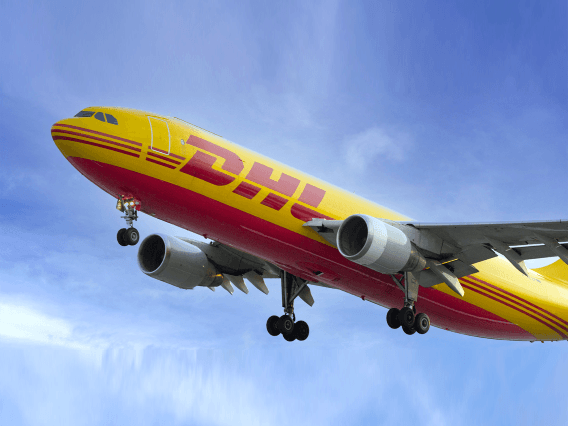
Recent milestones include the completion of deliveries of its fleet of 28 Boeing 777 freighters. DHL Express has also introduced more fuel-efficient aircraft and is upgrading and expanding infrastructure in all regions.
The investments are part of the company’s broader effort to upgrade its global network to meet evolving customer demands and operational reliability.
Security remains a major area of investment
DHL Express is likewise beefing up its security capabilities. By 2026, the company had over 500 TAPA-certified sites around the world, solidifying its status as the world’s most TAPA-certified logistics provider.
“The company stated the milestone is proof of its continuous investment in state-of-the-art security technologies, infrastructure and operational processes, aimed at enhancing the security and resilience of its global logistics operations.”
Information Technology and digital services.
Technology is another big investment area for DHL Express. The company is enhancing its technology and IT infrastructure to improve cybersecurity, system resilience, shipment visibility and operational efficiency.
There is also an expansion of digital customer solutions. DHL Express singled out the deployment of AI-enabled capabilities and the roll-out of its MyExpress platform, tools designed to make cross-border shipping easier and improve the customer shipping experience overall.
DHL Express strategy remains focused on sustainability
Along with its infrastructure, security and technology programs, DHL Express continues to place sustainability at the center of its priorities.
The company is investing in fuel-efficient aircraft, sustainable aviation fuel (SAF), electric vehicles, carbon-neutral facilities and other initiatives to reduce emissions across its operations.
These efforts are also intended to help DHL Express customers reach their own sustainability goals, as the company continues to introduce low-emission options into its global logistics network.