Land Nov 3, 2026
EPA 2027: Rush Enterprises anticipates further delays in the final NOx emissions rule
Rush Enterprises CEO William Rush warns that the EPA may postpone its final decision until early 2027, while truck manufacturers and industry associations push for noncompliance penalties to facilitate the transition to stricter emissions standards.
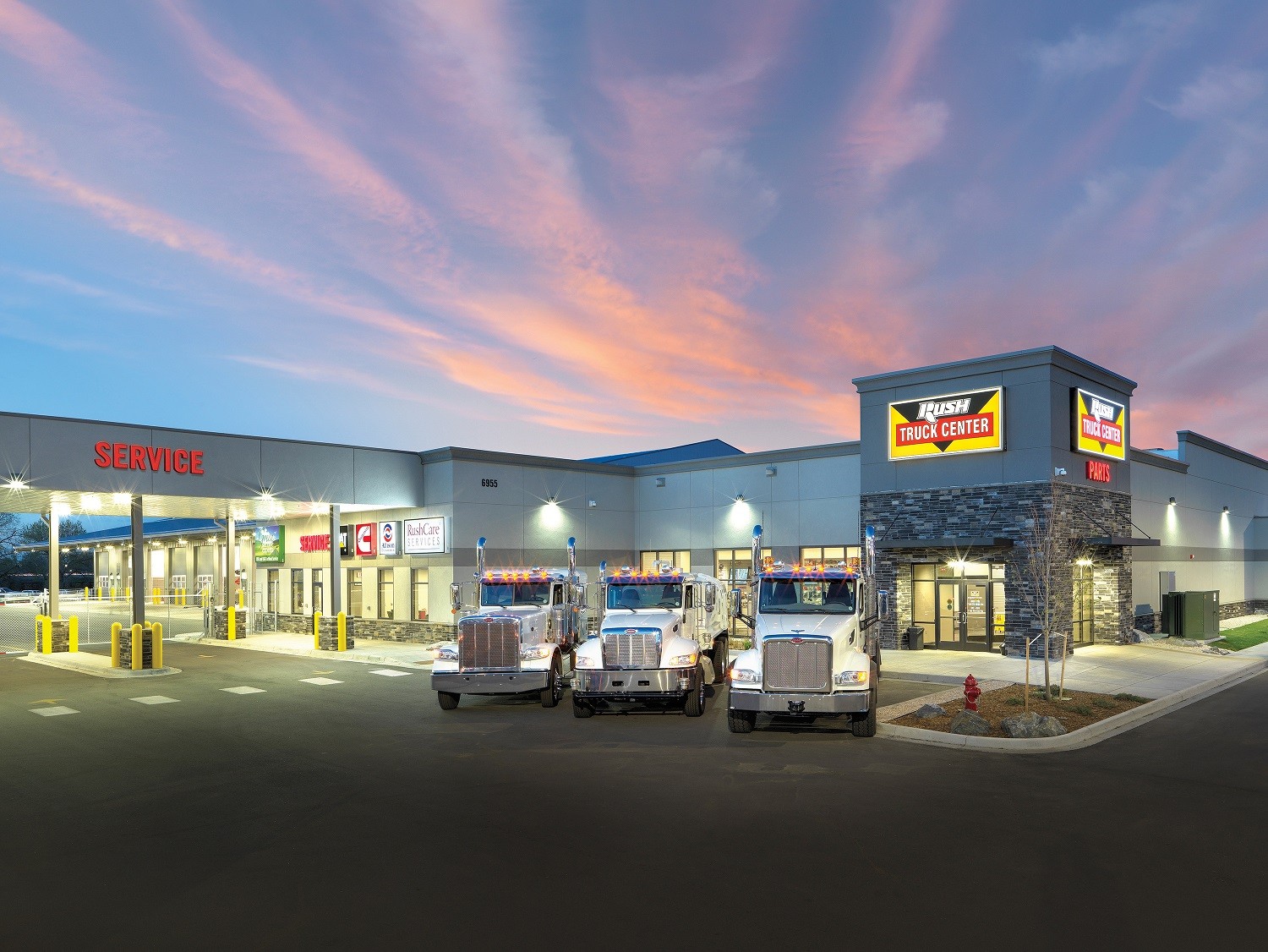
The trucking industry may have to wait longer than expected for clarity on the Environmental Protection Agency’s (EPA) upcoming nitrogen oxide (NOx) emissions regulations, commonly known as EPA 2027. William Rush, CEO of Rush Enterprises (NASDAQ: RUSHA), has indicated that the agency’s final decision is unlikely to arrive in November, potentially extending uncertainty for truck manufacturers, dealers and fleet operators.
Speaking during the company's latest earnings call with analysts on Wednesday, Rush, widely known in the industry as Rusty, said he had received indications that the final rule would not be published in November. His comments refer to the EPA's July Notice of Proposed Rulemaking, which outlined possible amendments to the previously established regulations governing NOx emissions from heavy-duty vehicles.
The proposed framework and its subsequent amendments cover several regulatory areas. However, its central requirement remains unchanged: reducing NOx emissions by approximately 80%, bringing the limit down to 0.035 grams per brake horsepower-hour (g/bhp-hr).
Rush suggested that developments within the EPA could further delay the process, although he did not identify the specific issues responsible. He also raised the possibility that manufacturers might initially be asked to work from a draft version of the regulation rather than a finalized decision.
His forecast points towards January or February for the publication of the final decree. That timing creates an immediate challenge, however, because the new requirements are scheduled to take effect on January 1, 2027. As Rush explained to analysts, it remains uncertain which provisions will ultimately be retained and whether all manufacturers will have to comply under identical conditions.
Manufacturers face uncertainty over the implementation timetable
The EPA 2027 designation refers to the model-year engines that must meet the tighter NOx emissions limits. As one of the country's largest truck retailers, Rush Enterprises will be directly affected by the decisions made by original equipment manufacturers (OEMs) regarding compliance.
Some elements of the broader regulatory framework have not been challenged by manufacturers, including the emissions limits themselves. Other provisions, particularly those concerning warranty duration, have attracted criticism from across the industry.
The possibility of introducing noncompliance penalties (NCPs) has emerged as one of the most widely supported elements of the proposed amendments published in July.
Under this mechanism, engine manufacturers would be able to pay penalties if their products do not immediately satisfy the new emissions requirements. The arrangement is intended to provide additional flexibility during the transition, although it would not constitute a permanent exemption, as the penalties are expected to be phased out.
For Rush, the proposal raises questions about how different manufacturers supplying his dealerships might introduce compliant and non-compliant vehicles under potentially different schedules.
He told analysts that he had never seen an EPA regulation implemented in which manufacturers were subject to different compliance dates. Under the proposed arrangement, some engines could enter the new regulatory framework on January 1, while others might not make the transition until the following year.
Rush also questioned whether manufacturers had sufficient time to validate the new engine technologies.
From a customer's perspective, he said he would personally favor allowing manufacturers to pay NCPs while the technology undergoes additional testing before being widely introduced into commercial fleets. His position is that the industry should adopt a gradual approach rather than immediately committing to unproven technology.
EPA promises to move forward with finalization
In a prepared statement provided to FreightWaves, an EPA spokesperson acknowledged the importance of providing manufacturers and the trucking industry with regulatory certainty.
The agency said it was carefully reviewing the comments submitted during the consultation process and working to finalize the regulation as expeditiously as possible.
Rush identified several OEMs that support the introduction of NCPs, a position also reflected in their formal submissions to the EPA.
PACCAR (NASDAQ: PCAR), one of the manufacturers mentioned during the earnings call, expressed strong support for the proposed penalties covering medium- and heavy-heavy-duty engines under the new NOx standards.
In its comments, PACCAR argued that the 2027 emissions requirements meet the Clean Air Act's criteria for noncompliance penalties. The manufacturer also emphasized the importance of ensuring that products entering the market are fully validated and reliable, rather than accelerating their commercial introduction before testing has been completed.
Cummins (NYSE: CMI) has similarly called for a rapid decision on the proposed amendments.
In a submission made in late August, the engine manufacturer urged the EPA to finalize several provisions as soon as possible, including those addressing emissions warranties, useful life requirements and noncompliance penalties.
Cummins said these changes were necessary to allow manufacturers to certify their 2027 model-year engines under the revised provisions and introduce them into the market by January 1, 2027.
Its position highlights the urgency surrounding the regulatory timetable, particularly as manufacturers need sufficient time to prepare their engines and secure the necessary certifications.
Warranty and useful-life changes could limit vehicle price increases
Beyond the emissions thresholds and noncompliance penalties, two other aspects of the proposed amendments could significantly influence the cost and development of future heavy-duty trucks: emissions warranty requirements and engine useful-life provisions.
Rush Truck Centers has previously explained that useful life is a regulatory requirement determining how long an engine must continue meeting federal emissions standards for certification purposes.
Under the proposed amendments, tighter useful-life requirements would not be introduced until 2030, effectively providing manufacturers with an additional three years before those changes take effect.
The warranty provisions also represent an important adjustment. Rather than introducing the longer warranty obligations initially contemplated under the original regulation, the proposed amendments would maintain existing requirements.
Several industry commenters have argued that this adjustment could have the greatest financial impact in limiting the additional costs associated with producing cleaner trucks under EPA 2027.

Proposed emissions warranty requirements under the EPA 2027 amendments. Source: Rush Enterprises / FreightWaves.
During the earnings call, Rush expressed frustration with the agency's inability to publish a final decision, sarcastically referring to the government's difficulty in completing the regulatory process. However, he also acknowledged the legal complexity involved, noting that the EPA must carefully consider the consequences of its proposed changes and has attempted to make the transition easier for customers.
For Rush, NCPs would provide an opportunity to test the new generation of engines before introducing them extensively into commercial fleets.
He stressed that many operators would prefer to run the technology for more than a year before deploying it across their fleets. Previous industry experience has demonstrated that new technologies do not always perform reliably from the beginning.
As an example, Rush recalled the introduction of diesel exhaust fluid (DEF) systems in 2010, which was followed by widespread problems involving clogged particulate filters across the country.
DEF requirements will be the same, even if warning systems change
The proposed EPA amendments also address some of the issues with diesel exhaust fluid requirements that have caused some confusion online.
Some interpretations have suggested that the proposed changes would eliminate the requirement to use the fluid, but that’s not the case. Diesel engines will still need DEF.
They are rather about the derate mechanism. The current system can reduce engine power if DEF levels are too low, slowing down the vehicle you’re driving.
The proposed amendments would remove the derating requirement and replace it with audible alerts, enabling drivers to receive warnings without the same automatic reduction in vehicle performance.
This is a key difference for fleets seeking to understand the operational implications of the forthcoming regulatory changes.
ATA renews support for penalties for failure to comply
The support for NCPs does not come from individual engine manufacturers. The American Trucking Associations (ATA) has also restated its support of the mechanism – a position it had already expressed during the EPA’s public comment period.
Rush was discussing the issue with analysts last week as the association put out a new article on its website explaining why penalties for noncompliance should remain in the EPA 2027 framework.
The publication was meant to reaffirm the organization’s position ahead of an upcoming interagency review of the rule, an ATA spokesman said. But Congress had gone home, and the association also wanted to highlight big regulatory developments within the government agencies.
Like PACCAR and other OEMs, ATA views NCPs as an important tool in managing the transition to more stringent emissions requirements.
The association said the proposed amendments provide a responsible way forward, maintaining the ambitious NOx reduction targets, while recognizing the need for manufacturers to have sufficient time to test new technologies under real world operating conditions.
It also says the penalties would encourage manufacturers to comply with the new standards as soon as possible without the risk of reliable engine models being taken off the market.
ATA demands that the NCP provisions be left untouched as the EPA finalizes the regulation. The association warns that without them, the framework would lose a significant safeguard for truck availability, fleet reliability and a smooth transition to the next generation of emissions technologies.
A key decision for the heavy-duty trucking industry
When the EPA will issue its final decision is a key concern for manufacturers, truck retailers and fleet operators preparing for the 2027 model year.
The agency says it is trying to move the rulemaking process along as quickly as possible, but Rush Enterprises’ review indicates the industry should not be looking for an announcement in November.
The battle isn't about emission targets anymore. It also addresses the speed at which manufacturers can validate new engine technologies, the impact of warranty obligations on vehicle costs, and whether penalties for non-compliance provide enough flexibility to avoid disruptions to truck availability.
As Jan 1, 2027 approaches, the final language of the rule will determine how manufacturers, dealers and customers navigate one of the industry’s biggest emissions-related shifts.
Allowing more time for testing, and introducing the technology in a step-by-step fashion, could be crucial to Rush avoiding reliability problems once the new engines are in commercial fleets.
END OF REPORT