Cargo Nov 20, 2026
EV Realty launches construction of a 9 MW truck charging hub in Torrance
The 50-port facility, scheduled to open in mid-2027, will feature megawatt charging technology and support electric truck operations serving the ports of Los Angeles and Long Beach.
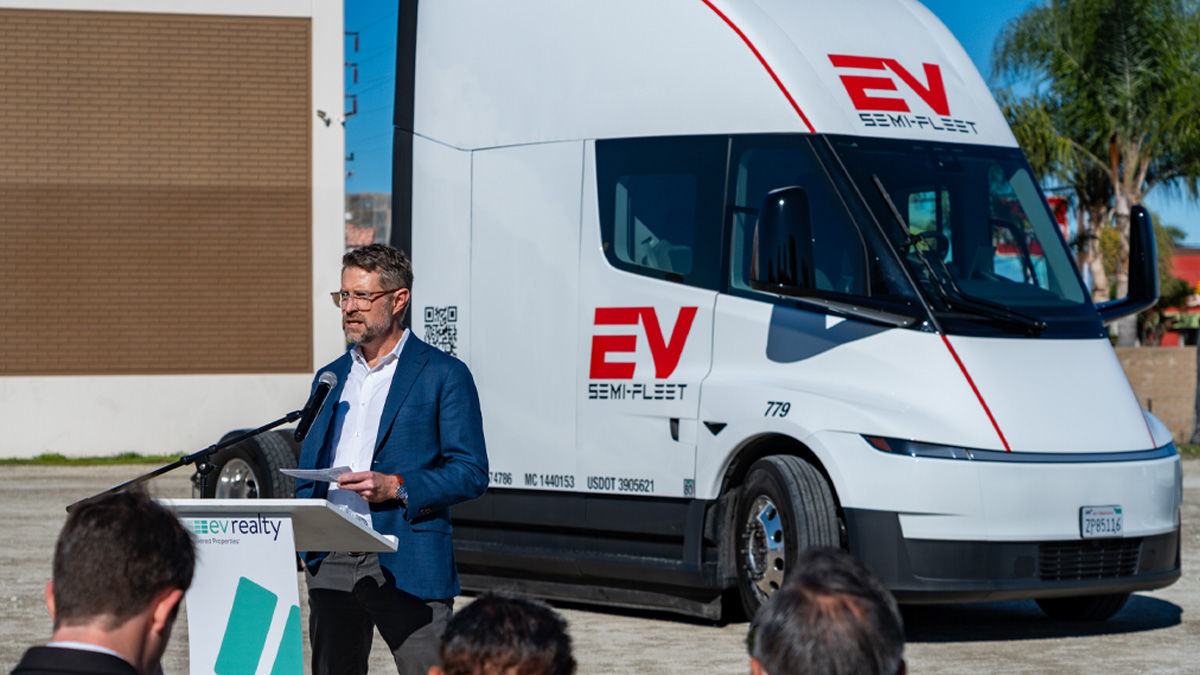
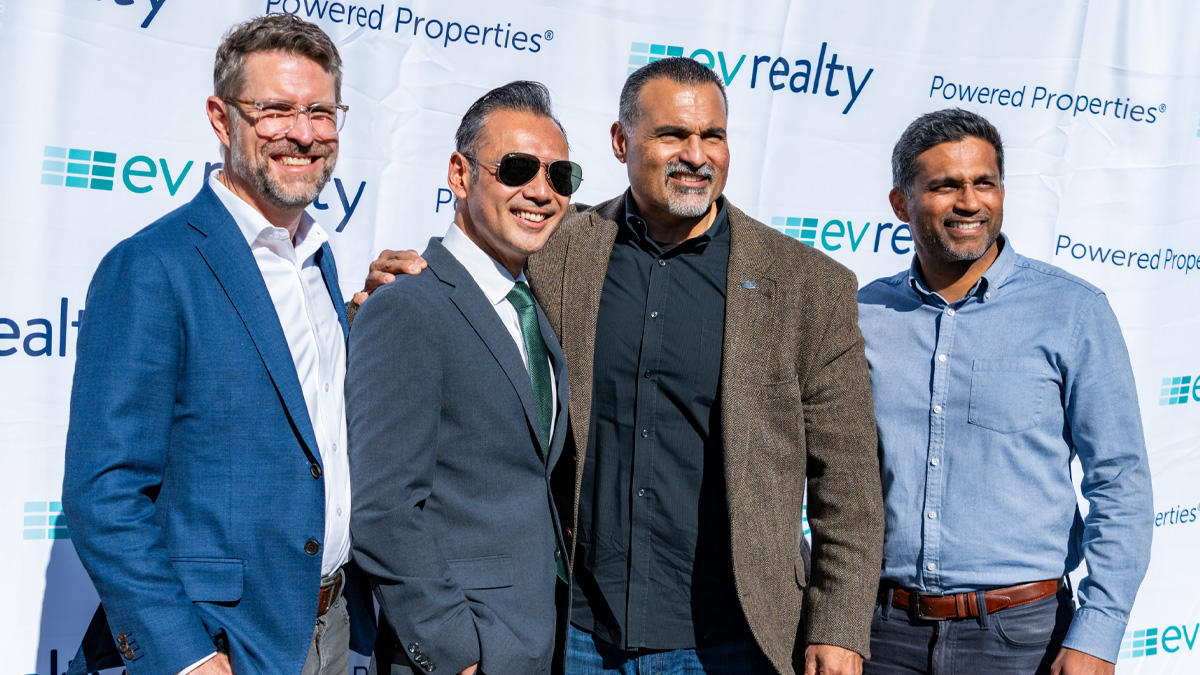
EV Realty has officially started construction of a 9 MW electric truck charging hub in Torrance, California. Scheduled to become operational in mid-2027, the facility will provide 50 charging ports for commercial fleets and strengthen the company's growing presence in Southern California.
The groundbreaking, announced on Tuesday, marks EV Realty's second major charging project in the region, following the opening in April of its 76-port facility in San Bernardino.
Strategically positioned to serve freight operations around the ports of Los Angeles and Long Beach, the Torrance site will also support trucks connecting inland distribution centers and air cargo operations near Los Angeles International Airport (LAX).
Located at 18715 S. Western Ave., alongside Interstate 405 and with direct access to Interstate 110, the facility is designed to accommodate different charging requirements. According to California Transportation Commission records, 20 of its 50 ports will feature the Megawatt Charging System (MCS), offering charging capacity of up to 1.2 MW. The remaining 30 positions will be equipped with conventional DC fast chargers rated at up to 350 kW.
The 2.2-acre property was incorporated into Outpost's truck terminal network in March. Outpost, an investor in EV Realty, is also participating in the development alongside ParWest and Synop.
A revised design prioritises megawatt charging capacity
The Torrance project has undergone significant modifications since its initial approval. The original development plan called for 60 charging ports, most with a maximum output of 300 kW, supported by a total capacity of 7.6 MW.
However, California Transportation Commission documents published in March show that EV Realty subsequently reduced the number of ports to 50 while increasing the site's overall capacity to 9 MW. The redesign was necessary because the initial lower-power configuration required more space than the available land could accommodate.
Caltrans recommended the revised approach, highlighting the operational benefits of MCS technology, particularly its ability to reduce charging times for compatible electric trucks.
Speaking at Tuesday's groundbreaking ceremony, EV Realty CEO Patrick Sullivan underlined the potential impact on port drayage operations.
He explained that ultra-high-power MCS infrastructure could allow operators using trucks based at the facility to complete three or potentially four daily trips to the ports with each vehicle. According to Sullivan, this increased productivity could improve carrier revenues while supporting a more sustainable freight economy and reducing local air pollution for both carriers and shippers.
The development comes as the ports of Los Angeles and Long Beach seek to accelerate the transition towards zero-emission trucking. In September, the two ports proposed a three-year incentive scheme offering eligible zero-emission trucks $60 per terminal visit, with annual payments capped at $36,000.
Port of Long Beach figures indicate that 613 zero-emission trucks called at the facility in July. As reported by Container News, this represented almost 3.6% of the 16,853 drayage trucks authorised to access the San Pedro Bay terminals.
$22.1 million investment backed by state dollars
The Torrance charging hub’s cost is now pegged at $22.1 million, up from an initial budget of $18.37 million following a redesign of the project.
The project will also receive a $7.9 million grant from the state’s Trade Corridor Enhancement Program to pay for construction, with EV Realty promising to pay the other $14.2 million. The company also committed to covering the additional costs incurred from the revised configuration.
Additional financial support comes from Southern California Edison’s fleet charging rebate program and a conditional award from the California Energy Commission. Amounts associated with these two funding sources were not disclosed by the company.
EV Realty’s development strategy is to acquire properties with existing access to electricity infrastructure. The goal is to prevent the lengthy utility upgrades that can slow down the deployment of large scale charging installations.
The existing grid connection for the Torrance project is limited to 9.9 MW under its state funding agreement.
“The company’s aim is to deliver power to fleet operators when and where they need it — one of the largest obstacles to mass transport electrification,” said Sullivan. EV Realty’s Powered Properties are poised for fleet needs and provide access to grid power without the need for any major utility infrastructure upgrades, he added.
The construction schedule has also changed quite a bit. An earlier state timetable had expected completion by February 6, 2026. However, delays involving two external authorities, including the City of Torrance, have pushed back the project’s revised completion date to June 30, 2027.
EV Realty has not yet identified any fleet operators who have committed to using the Torrance facility. By contrast, its San Bernardino charging hub opened with customers including J.B. Hunt, Gate City Beverage and electric trucking company Nevoya.
EV Realty's California network expands to include Torrance
The new facility is another part of EV Realty’s broader expansion strategy in California. The company has also announced future charging projects in Stockton and Ontario, in addition to its Torrance and San Bernardino developments.
By mid-2027, EV Realty expects to have more than 100 MCS charging ports in operation across Southern California as part of an interconnected network that will support the growing adoption of battery-electric heavy-duty trucks.
The Torrance project is an important link in this emerging network,” said Suncheth Bhat, the company’s chief commercial officer, linking in with the San Bernardino charging hub.
He also noted the strategic value of the location, given its proximity to the ports of Los Angeles and Long Beach, two of the nation’s largest freight gateways. Bhat cited the area’s concentration of goods movement and its location in the middle of American supply chain activity.
The company also expects the facility to benefit from the arrival of next generation electric trucks, including the Tesla Semi. These vehicles should begin arriving in greater numbers around the time the Torrance hub is operational, EV Realty said.
Conversely, Tesla is hoping to increase Semi deliveries in 2027, after beginning volume production in Q3.
Bhat says the electric trucking industry will reach a tipping point in 2027, driven by advances in vehicle technology, the rollout of charging infrastructure along key freight routes, and growing awareness among fleet operators of the financial upside of electrification.
New incentives boost business case for electric drayage
The construction of the Torrance hub comes as further financial incentives are set to encourage carriers serving the San Pedro Bay ports to invest in battery-electric trucks.
Eligible operators can apply for up to $300,000 per vehicle in incentives from the Port of Los Angeles. Applications are open until December 3 for companies buying a minimum of 10 trucks.
For drayage operators contemplating a transition to electric vehicles, incentives for vehicle purchase and access to high-capacity charging infrastructure could help to address two key challenges: initial investment costs and operational charging needs.
Expected to open in mid-2027, EV Realty’s Torrance facility will offer carriers serving the ports of Los Angeles and Long Beach shared access to megawatt-level charging near their core operating areas.
So the project is more than just adding a charging location, but is part of the infrastructure development needed to make zero emission port trucking more viable at commercial scale.
END OF REPORT