



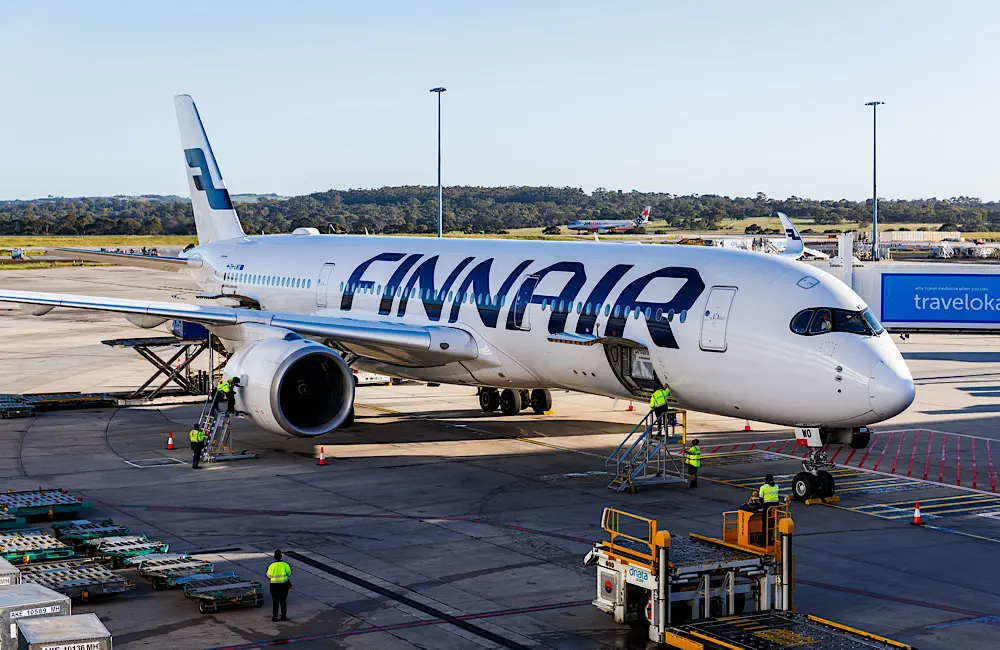
Finnair Cargo is opening a new chapter in its international network with the launch of its first Australian service on 25 October 2026. The year-round operation will connect Helsinki and Melbourne via Bangkok, providing a daily air cargo link between Australia and the airline’s wider European network.
The new route is also expected to create additional transport options for freight moving between Australia, Europe and North America, with Helsinki serving as a connecting hub for shipments travelling beyond Europe.
The inaugural flight, AY145, is scheduled to leave Helsinki at 01:15 on 25 October and arrive in Melbourne at 07:20 local time on 26 October. The journey will take approximately 22 hours, including a Bangkok stopover of just under two hours.
On the return leg, flight AY146 is scheduled to depart Melbourne at 15:30 local time, reach Bangkok at 20:40 and resume its journey at 22:45. Arrival in Helsinki is planned for 06:00 the following day.
Both directions will be operated using an Airbus A350 passenger aircraft, with freight carried in the belly hold. The aircraft offers approximately 23 tonnes of cargo capacity, equivalent to 95 cubic metres, although the space and payload available on each flight will depend on operational requirements.
Anna-Maria Kirchner, Head of Global Sales at Finnair Cargo, told The STAT Trade Times that the airline had already received encouraging interest in the new connection.
For Finnair Cargo, the Melbourne launch represents more than the addition of a destination. It is intended to extend the airline’s service to new customers, reinforce trade between Australia and Europe, and support businesses that rely on dependable transport for time-critical consignments.
Temperature-sensitive freight remains restricted at launch
Despite the opportunities offered by the new service, Finnair Cargo will initially exclude pharmaceuticals, perishables and other temperature-sensitive shipments from through-cargo acceptance between Helsinki and Melbourne in both directions.
Individual shipments may still be accepted on the Helsinki–Bangkok and Bangkok–Melbourne sectors separately, subject to the relevant handling requirements and restrictions.

Anna-Maria Kirchner, Head of Global Sales at Finnair Cargo, says the Melbourne route will open new opportunities for customers and trade partners.
The restrictions reflect the airline’s cautious approach during the initial operating phase. Finnair Cargo is conducting temperature mapping to evaluate shipment conditions throughout the journey, including the transfer and stopover in Bangkok. The findings will inform a review of the acceptance conditions once the assessment is complete.
In its announcement on 7 October, the carrier highlighted interest in pharmaceuticals, temperature-controlled goods and Australian seasonal exports, including cherries. However, these commodities will not initially be accepted as through shipments across the entire Helsinki–Melbourne route.
Kirchner explained that sensitive freight could be carried on the individual sectors in either direction, provided the applicable requirements were met. The airline intends to use the temperature-mapping exercise to establish a clearer understanding of conditions along the full route before reconsidering the restrictions.
Maintaining product integrity across a multi-sector journey requires consistent handling procedures, trained personnel, suitable facilities and coordination between the different parties involved. The results of the assessment will therefore play an important role in determining whether the airline can subsequently broaden its acceptance criteria for temperature-sensitive cargo.
Bangkok and Helsinki underpin daily connectivity
The schedule has been structured to facilitate onward connections through Helsinki for shipments arriving from European and North American markets. The outbound flight’s departure shortly after midnight allows freight received during the previous day to connect to the Melbourne service.
The return flight is designed to reach Helsinki early in the morning, leaving time for onward flights and trucking services later that day.
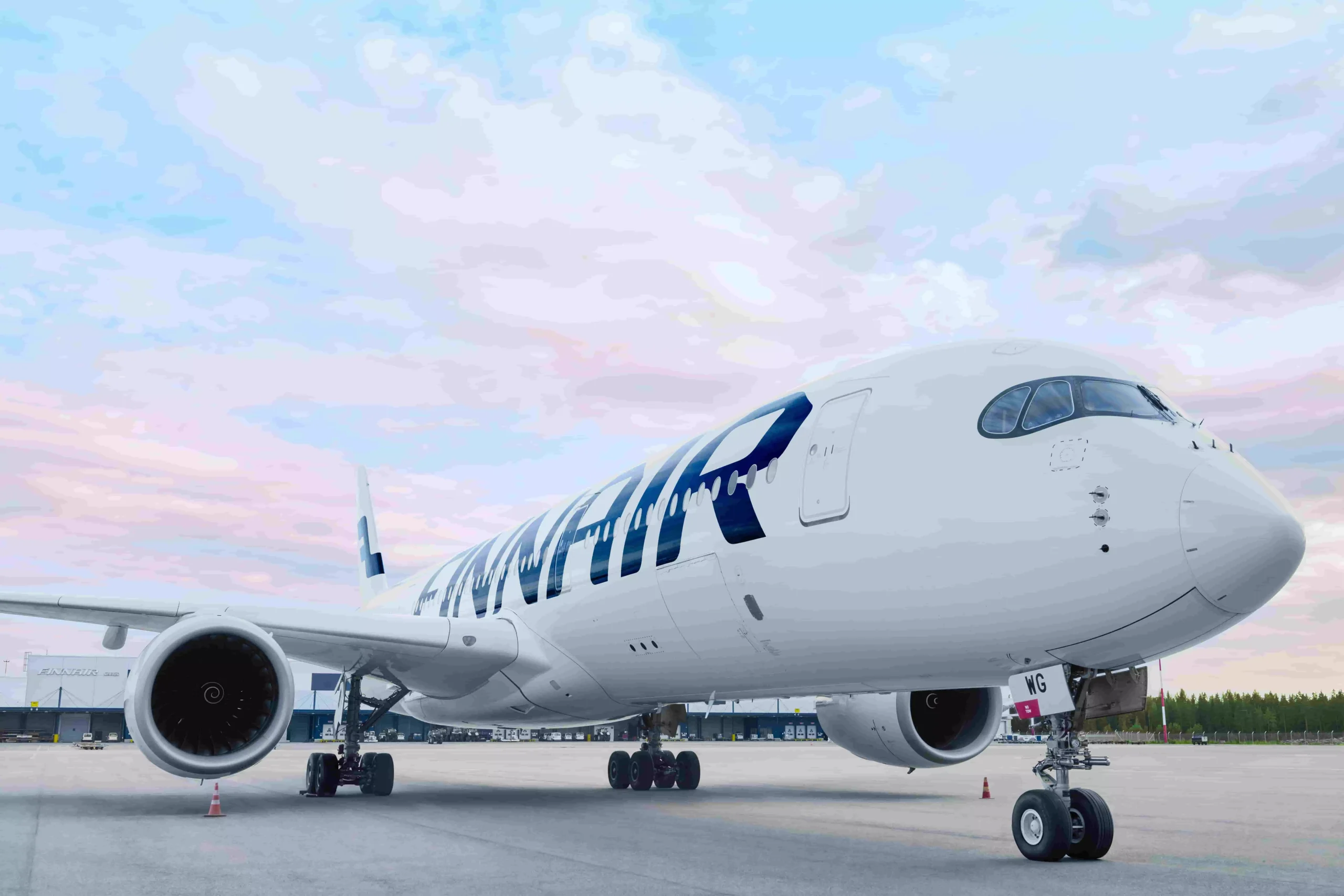
The Helsinki–Bangkok–Melbourne rotation uses an Airbus A350, with cargo carried in the aircraft’s belly hold.
The same Airbus A350 will operate the full rotation. During the turnaround in Bangkok, cargo destined for the Thai market will be unloaded before the aircraft is prepared and loaded for the onward journey to Melbourne.
Kirchner said the service was planned as a daily, year-round operation and that the airline’s immediate priority was to establish the route and develop it alongside customers and partners.
Finnair Cargo will continue to monitor operational performance and market demand across its network. However, the airline has not announced any additional capacity plans for the Melbourne service at this stage.
The new connection is expected to accommodate a broad range of commodities, including general cargo, high-tech goods, industrial components, automotive parts, fashion and design products, seafood and other perishables. The actual mix of freight will depend on customer bookings, available capacity and the acceptance conditions applicable to each shipment.
New opportunities for Europe–Australia and North American freight
The Melbourne service is intended both to support existing customers with Australian transport requirements and to attract new business. Through Helsinki, the route will also provide access for North American shipments travelling to Melbourne, subject to routing options and available capacity.
According to Kirchner, the new connection creates opportunities beyond the direct Europe–Australia market, allowing customers to use Helsinki as a gateway to the airline’s wider network.
She highlighted demand for reliable and efficient air cargo connections to Australia, with Melbourne offering scope to develop new customer relationships and establish additional freight flows.
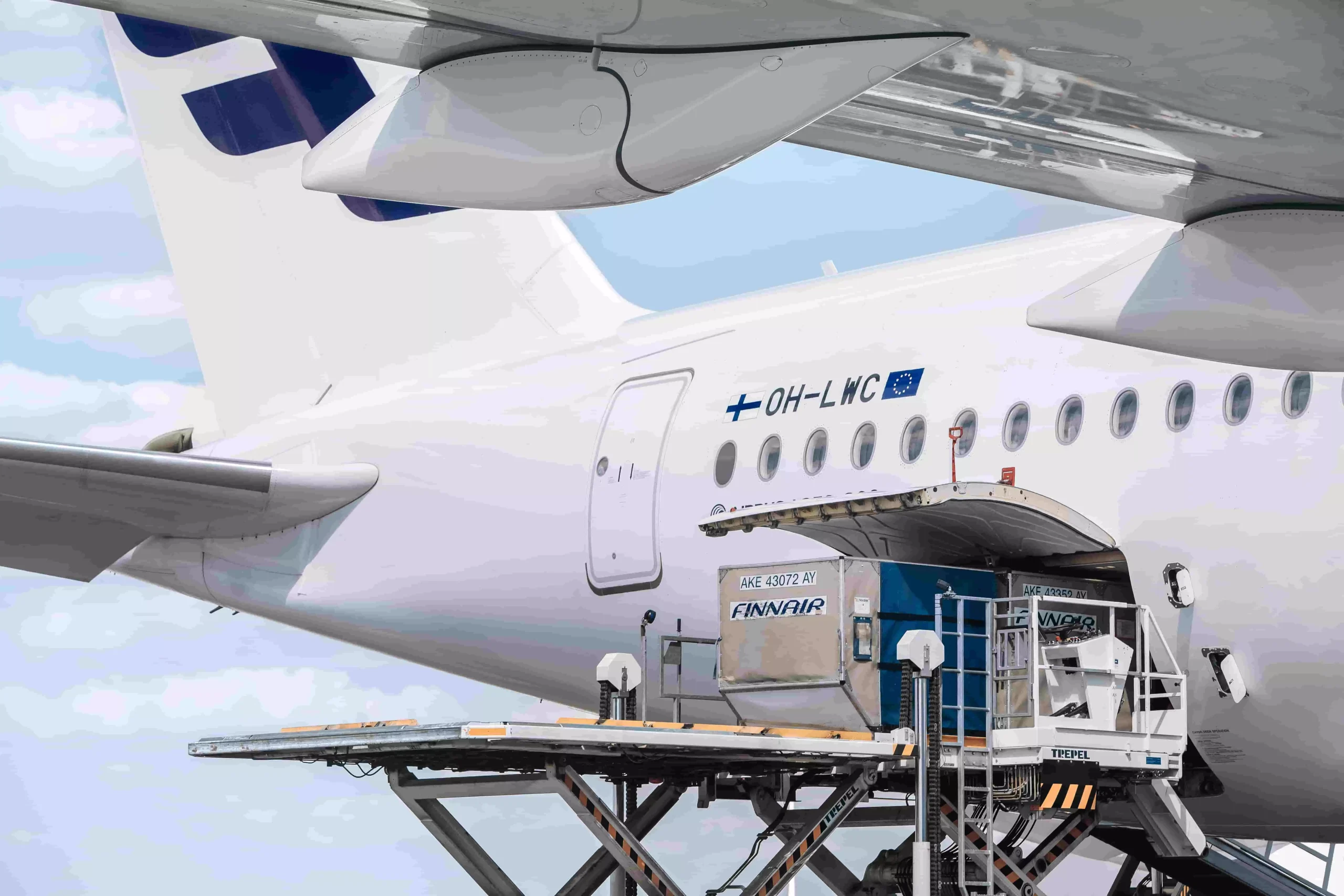
Finnair Cargo expects the route to support a range of industrial and consumer-product supply chains across Europe, Asia and Australia.
Potential demand spans several industrial and consumer-product categories. Alongside pharmaceuticals, seafood, high-tech products and general cargo, the airline identifies industrial components, automotive parts, and fashion and design products as important types of freight moving between Europe, Asia and Australia.
Connectivity is a central element of the route’s commercial proposition. Daily flights link Melbourne with Bangkok and, through Helsinki, with Finnair’s wider European and long-haul network. The airline’s internal planning also identifies Melbourne as an opportunity to develop new traffic flows, with Bangkok playing an important connecting role.
Operational reliability remains another priority, particularly for time-critical consignments. Finnair Cargo measures service reliability as one of its key customer performance indicators, focusing on the safe, efficient and consistent handling of freight.
At Helsinki, the airline also operates specialised cargo infrastructure, including its COOL terminal for temperature-sensitive products. Nevertheless, access to this facility does not override the initial restrictions on temperature-sensitive through cargo travelling to or from Melbourne. Acceptance across the complete journey remains subject to the route’s specific conditions.
Qantas Freight appointed as Melbourne ground-handling agent
To support the launch, Finnair Cargo appointed Qantas Freight as its cargo ground-handling agent at Melbourne Airport, with the arrangement taking effect on 1 October 2026. The appointment provides local operational support ahead of the new service and builds on the existing relationship between the two airlines.
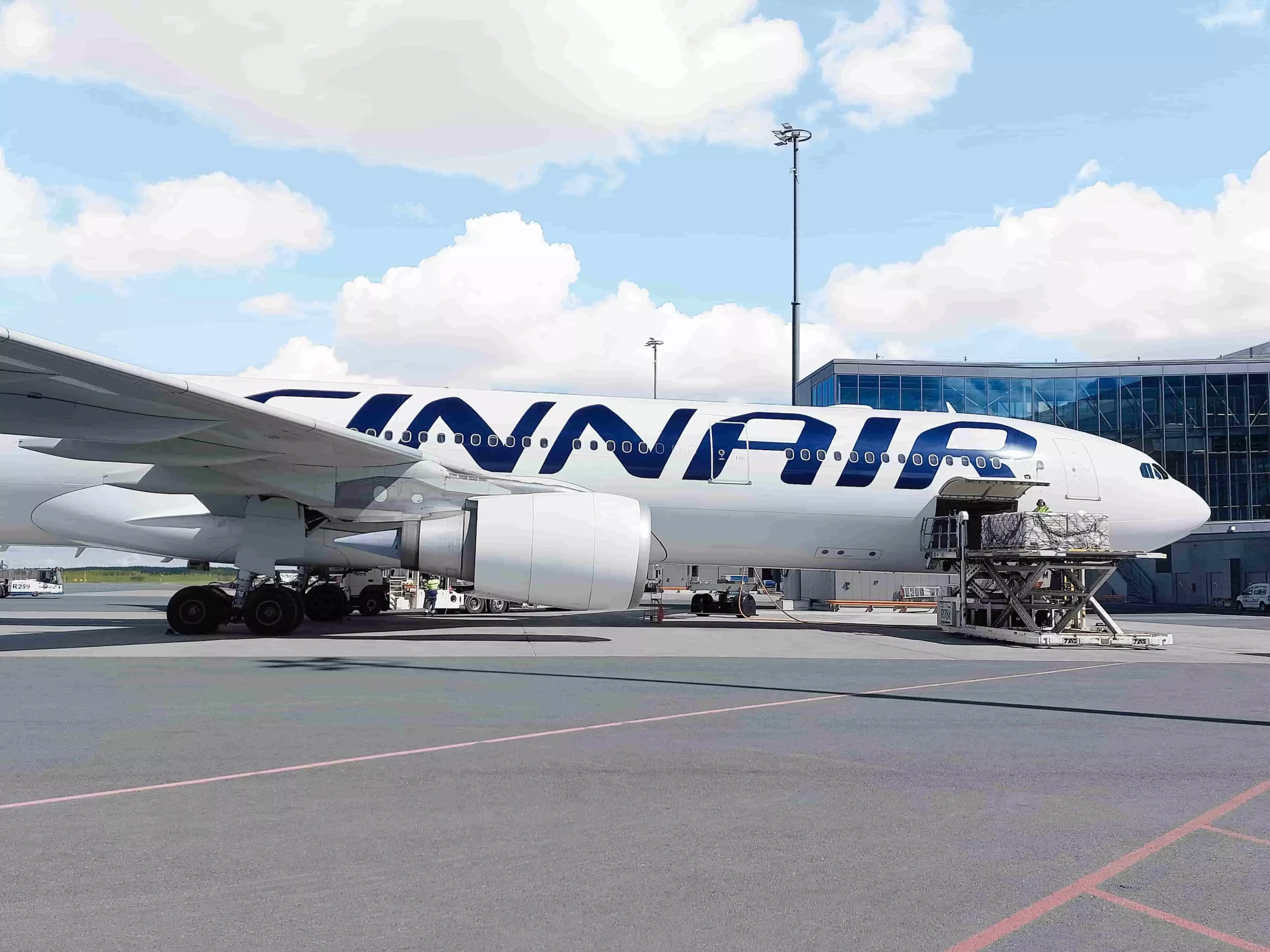
Local handling arrangements at Melbourne Airport form part of Finnair Cargo’s preparations for the new daily service.
The airline has also selected ACP Worldwide as its general sales and service agent (GSSA) for Australia and New Zealand. The appointment gives Finnair Cargo local sales representation and access to established customer relationships across the two markets.
With the daily operation scheduled to begin on 25 October, the immediate focus is on establishing the service and building demand in cooperation with customers and partners. No additional frequencies or capacity increases have been announced.
The route’s development will depend on initial operating performance, customer demand and the results of the temperature-mapping exercise. Together, these factors will help shape any future changes to cargo acceptance conditions, particularly for temperature-sensitive shipments requiring uninterrupted handling across the complete Helsinki–Melbourne journey.
Publication category: Logistic (default) · Air · Business