Maritime Nov 17, 2026
Hong Kong and Greece to launch first international green shipping corridor
Historic agreement with Port of Piraeus sets the stage for low-carbon shipping route between Asia and the Mediterranean, complemented by new port partnerships with Yangpu and Zhanjiang to enhance green fuel infrastructure and supply chains.
Hong Kong has taken a significant step towards maritime decarbonisation with the official launch of its first international green shipping corridor connecting the city with the Port of Piraeus in Greece. Hong Kong Chief Executive John Lee made the announcement at the opening of Hong Kong Maritime Week 2026.
The agreement will cement Piraeus as Hong Kong’s partner port, in a formal sense, and the city will establish its first green shipping corridor to a European port. The initiative will leverage existing high volume, regular liner services between the two maritime hubs, offering a proven and frequent route to showcase low-carbon and zero-carbon shipping operations between Asia and the Mediterranean.
The corridor has the potential to become one of the busiest routes within the growing global green shipping network. Commercially, it will serve key cargo flows on the Eurasian trade axis, including manufactured goods, energy products and containerised freight.
Coordinated infrastructure and decarbonisation measures
Implementation will be phased in as part of a decarbonisation roadmap, starting with the joint development of green infrastructure at both ports.
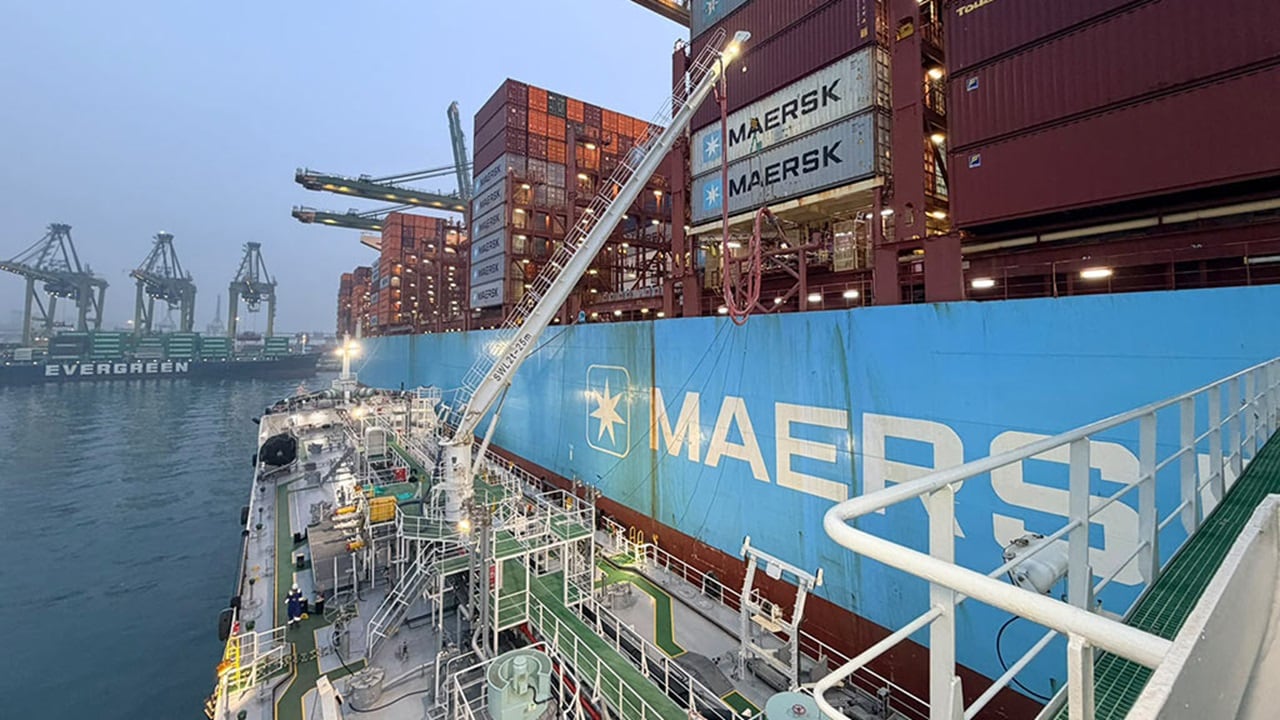
The programme includes harmonised bunkering procedures for low-carbon and zero-carbon fuels, and synchronised shore power facilities for visiting vessels. These will include green methanol, bio diesel and liquefied natural gas (LNG).
Digital cooperation will also be part of the initiative. Both ports are also planning to align their digital platforms to allow the exchange of real-time data on vessel emissions, port-call optimisation schedules and green fuel availability.
Hong Kong and Piraeus will set up a joint incentive programme to encourage shipping companies to take part. Shipping lines that meet pre-determined annual emissions reduction targets for their vessels along the corridor will receive preferential port dues, priority berthing and simplified customs clearance.
Hong Kong expands green port partnerships in China
The agreement with Greece is one of a number of maritime cooperation initiatives announced on the opening day of Hong Kong Maritime Week 2026.
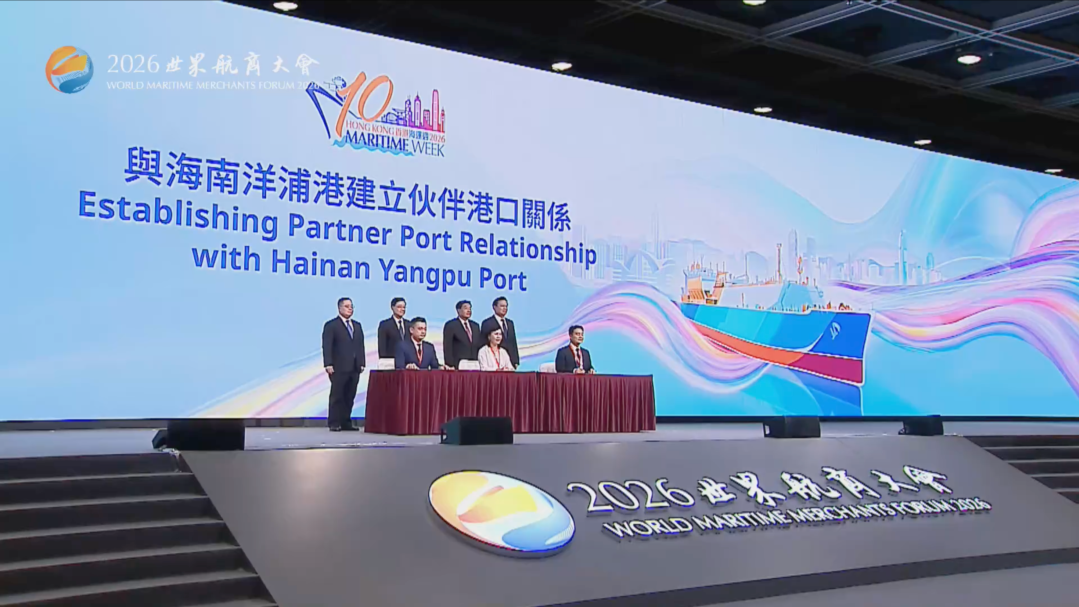
Besides the Piraeus partnership, Hong Kong also signed two separate memorandums of understanding with mainland Chinese port partners. One is a formal partner-port relationship with Yangpu Port in Hainan and the other with Zhanjiang Port in Guangdong, which aims to create Hong Kong's first domestic green energy corridor.
The Zhanjiang agreement plays a significant role in the development of an integrated green fuel supply chain. Its aim is to link the large-scale green fuel production plants on the mainland directly with Hong Kong’s bunkering infrastructure.
The newly established Hong Kong-Piraeus corridor will then provide access to low-carbon and zero-carbon fuel resources for international maritime markets.
The interconnected system is set up to build a continuous and traceable low-carbon supply chain, connecting fuel production in mainland China, Hong Kong's international bunkering and trading platform, and the Eurasian maritime trade route to Greece.
A strategic ambition to be a global green fuel hub
These agreements are a concrete move towards achieving Hong Kong’s ambition to step up its position as a premier international centre for the bunkering and trading of green maritime fuel.
Chief Executive John Lee commented on the initiatives and the importance of integrating environmental transition and technological development in the future of shipping.
“Decarbonisation and digitalisation are mandatory co-ordinates, non-negotiable, for the future of global shipping. And Hong Kong is all set to lead this transition. “Green transition is an opportunity to maximise commercial potential and we have gone beyond physical bunkering operations to build a market-driven, globally-oriented and diversified green fuel trading platform.
Through its partnerships with Piraeus, Yangpu and Zhanjiang, Hong Kong is looking to connect regional fuel production capacities with global maritime demand, while building the infrastructure and commercial mechanisms to speed up the uptake of cleaner shipping fuels.
END OF REPORT