



Container lines trying to move stranded Asia-origin cargo onward from India into the Middle East are running into a growing list of operational hurdles, as alternative Persian Gulf gateways struggle to absorb the sudden influx triggered by the regional conflict.
Industry sources estimate that between 40,000 and 50,000 TEUs have already been discharged at Indian ports as cargo originally destined for the Middle East seeks temporary refuge. Of that volume, around 25,000 TEUs have landed at Nhava Sheva’s JNPA terminals alone.
With widespread suspensions and disruption affecting ports across the Middle East following hostilities involving the US, Israel and Iran, ports such as Sohar in Oman and Fujairah and Khor Fakkan in the United Arab Emirates have emerged as the key fallback options for supply chain stakeholders.
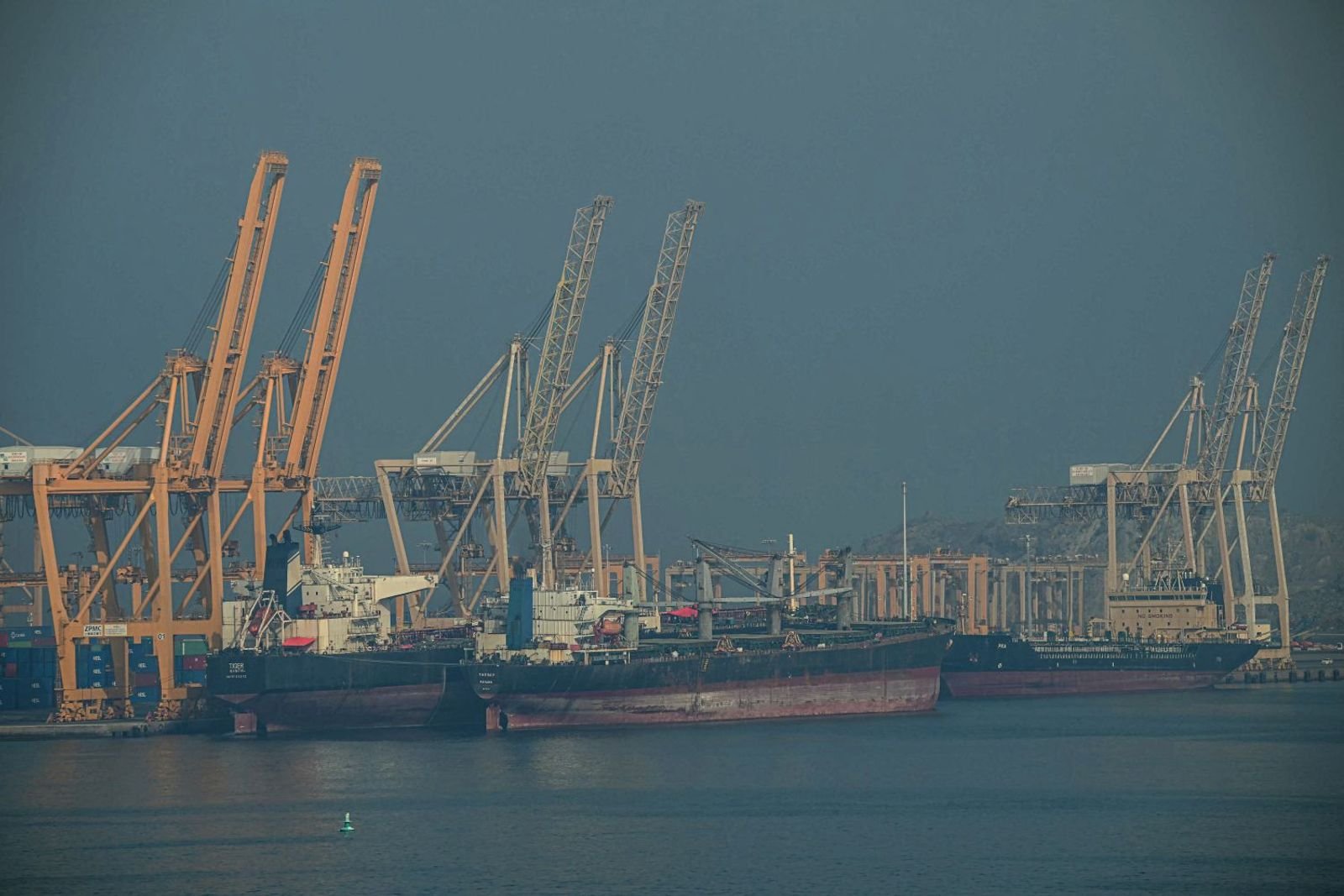
Among them, Khor Fakkan has become the preferred transshipment choice for many carriers, thanks in part to Gulftainer’s 5 million-TEU facility. But that preference is being tested by serious operational limits. One of the biggest challenges is reefer capacity. Carrier sources say all three alternative ports face constraints, with Fujairah under particular pressure because it has only about 120 reefer plug points available. That limitation is severely restricting the movement of perishable cargo.
The complications do not end there. UAE authorities have reportedly instructed carriers using Khor Fakkan to keep cross-border transit cargo volumes low, as onward trucking operations are struggling to cope with the rush. Market sources say the port authority has in some cases turned away vessels carrying large transshipment loads or refused to allow certain containers to be discharged.
As a result, vessel operators departing India are said to have been advised not to plan for more than 30% of their load to be discharged for transshipment at Khor Fakkan.
Congestion has become another major obstacle. Khor Fakkan is now facing severe berth delays, with some vessels waiting more than a week — and in certain cases up to 12 days — for a discharge window. Some ad hoc callers have been forced to divert after waiting indefinitely.
Import procedures are also under pressure. Consignees have reportedly been given a strict two-day deadline to clear goods from UAE terminals, creating a risk of significant storage charges for containers that overstay. Terminal gates are also seeing disorder when importers without pre-customs registration arrive to collect cargo, adding to the confusion on the ground.
CMA CGM is understood to have finalized plans for three Middle East shuttle sailings from West India, calling at Sohar and Fujairah over the next week in an effort to clear rerouted cargo from Nhava Sheva and Mundra.
At a stakeholder review meeting on Thursday, JNPA officials said the port is actively coordinating with industry players to support the unexpected transshipment surge. Authorities stressed that storage capacity remains available, with container yards currently only about 50% occupied.
Even so, signs of strain are starting to appear in India as well. Truckers serving the PSA terminal at Nhava Sheva, also known as BMCT, complained Friday of worsening vehicle turnaround times over the past week. Some drivers are now refusing BMCT trips, a notable concern given that the terminal has handled much of the diverted vessel traffic.
Sunil Vaswani, executive director of the Container Shipping Lines’ Association in India, said carriers are now deploying Red Sea-linked contingency capacity to support Middle East imports, while also using multimodal solutions for inland delivery beyond the port.
Those emergency solutions, however, come at a price. After previously raising emergency fuel surcharges on the ocean side, CMA CGM has now introduced an additional inland emergency fuel fee for Middle East cargo from March 23. The company has not yet disclosed the amount, but said rising fuel costs are affecting not only sea freight, but inland operations across all transport modes.
Hapag-Lloyd, meanwhile, said the crisis has stranded six of its container ships and disrupted around 25,000 shipments. Chief executive Rolf Habben Jansen said the line is still not accepting bookings to and from the Middle East as it remains concerned about landside pressures throughout the war-affected region.
What is emerging is a supply chain workaround that may be functioning — but only under intense pressure, rising costs and considerable operational uncertainty.