



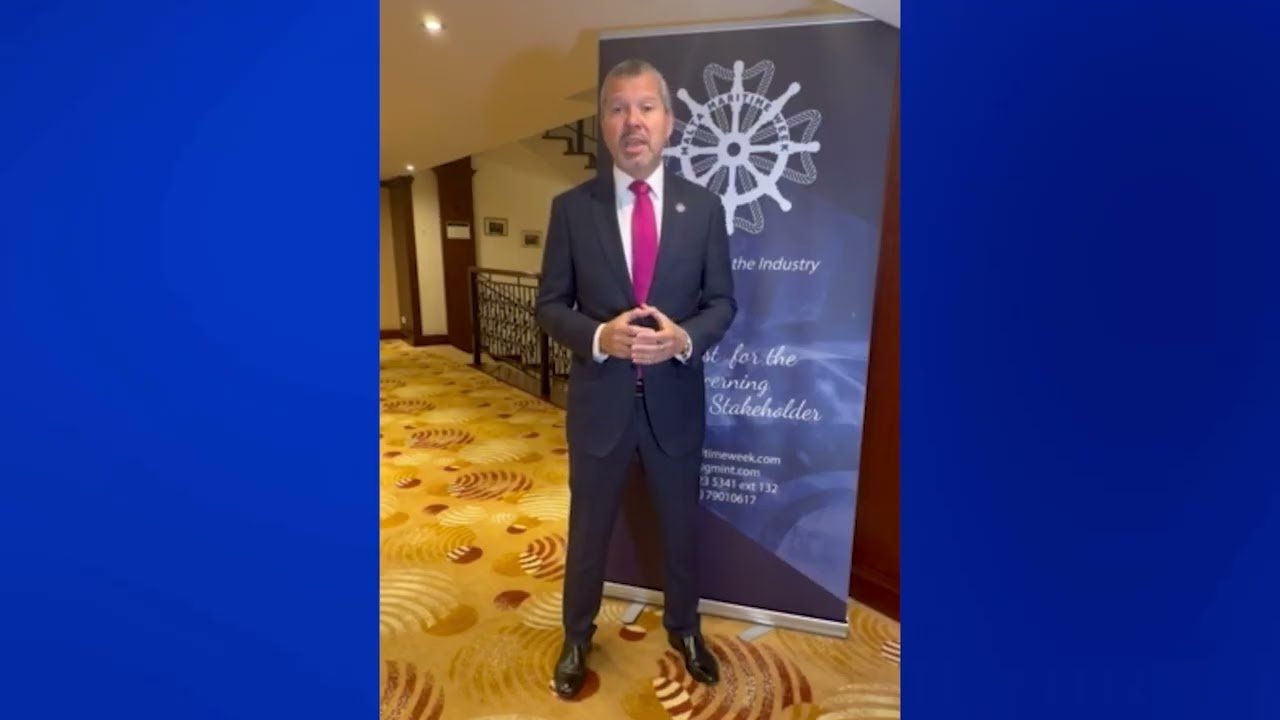
Seatrade Maritime News had the opportunity to sit down with the Secretary-General of the International Maritime Organization (IMO), Arsenio Dominguez, for a wide-ranging discussion on some of the most pressing issues facing the global shipping industry at the opening of the Malta Maritime Summit.
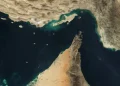
One of the key topics discussed was the continuing impact of the conflict on seafarers operating in and around the Strait of Hormuz, with Dominguez highlighting the difficult conditions crews are still facing and sending a clear message about the need to keep seafarers out of the conflict itself.
“We need to stop using seafarers as collateral in this conflict,” he said, highlighting the need to protect the people who keep maritime trade moving, despite the risks.
The Secretary-General of the IMO also drew attention to the persistent problem of crew abandonment, which can leave seafarers stranded and vulnerable in very precarious circumstances. The IMO is working with flag states to improve the implementation and enforcement of the Maritime Labor Convention and thus enhance the protection of seafarers at risk, he explained.
The discussion also looked at the fast pace of change in the maritime sector, particularly with new technologies and innovations continuing to disrupt the industry. Dominguez detailed the work of the IMO to ensure the regulatory framework is sufficiently agile to respond to innovation but still maintains a thorough and responsible approach to rule-making.
Liability was another major element of the debate, with questions raised over who is responsible when incidents do occur and where the buck stops for insurers and shipowners. Dominguez discussed where “the buck stops,” and the difficulties of attributing liability throughout the maritime value chain.
He also pointed to progress in the work to tackle the gender imbalance across the maritime sector, with positive steps being taken that show it is making strides toward an industry that is more inclusive.
Finally, Dominguez talked about Malta’s position on the global maritime map and explained why the island continues to be such an important maritime hub. Its strategic importance is to strengthen its role in the international shipping community and a natural environment to discuss the most important challenges and future developments of the sector.