Maritime Nov 26, 2026
IMO Pushes Shipping Industry to Expand Onboard Training Opportunities for Cadets
Limited access to mandatory sea-time placements continues to block maritime graduates, especially in developing countries, from entering the profession and the International Maritime Organization is appealing to shipowners and shipping companies to provide more training berths.
The International Maritime Organization (IMO) is calling on the industry to do more to support maritime training and urging shipping companies to offer cadets who want to become professional seafarers more opportunities to train on ships.
The demand for qualified maritime officers is growing, but many young graduates are having trouble getting the sea time they need to earn their professional certifications. This problem is particularly acute in developing countries where the access to practical training opportunities is still limited, delaying the transition from maritime education to employment at sea.
To this end, the IMO has now launched the second phase of its NextWave Seafarers program, to increase the number of training places for potential seafarers and to widen the participation of the shipping industry.
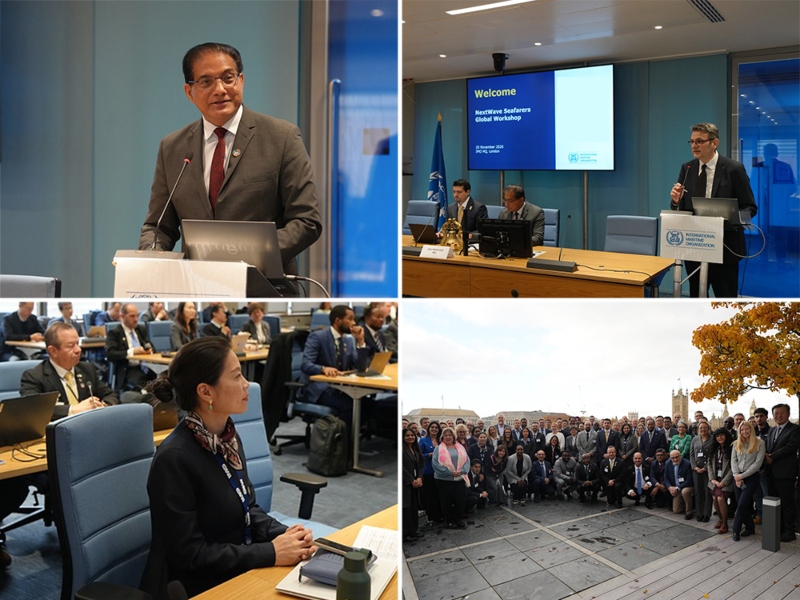
An international workshop was held on 20 November at IMO Headquarters, London, to formally discuss the next phase of the program. The meeting brought together more than 80 representatives from over 25 countries to discuss concrete steps to boost onboard training capacity and attract more shipping companies to join the initiative.
Phase Two to enrolll 30 additional cadets
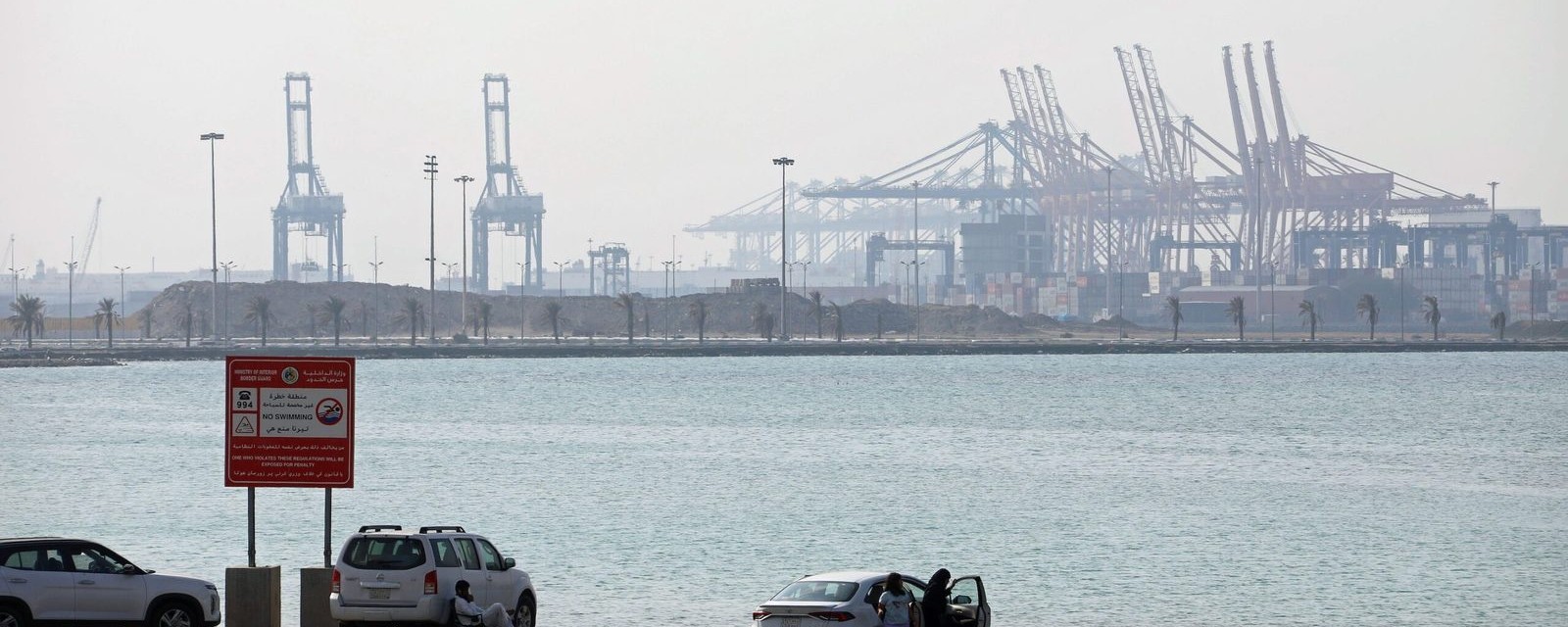
The expansion will depend on the success of the first phase of the program, which will be developed in partnership with Saudi Arabia and Bahri. During that period, 19 cadets from least developed countries and small island developing states were trained on board vessels owned and operated by Bahri.
The second phase will house training for at least another 30 cadets. Gender representation will also be a priority, with the target group of women being 50% of the participants.
The IMO plans to involve at least five more shipping companies in the scheme and to increase the number of trainees. It will also expand its geographical reach to include candidates from developing countries and landlocked developing countries to give broader access to practical maritime experience.
Crew Changes and Visa Restrictions – A Persistent Problem
Delegates at the London workshop identified a number of barriers that still prevent cadets from going aboard commercial vessels.
Visa restrictions posed a major problem as trainees could be denied boarding of vessels in other countries by administrative and immigration requirements. Crew-change arrangements were also discussed with a focus on improved coordination for cadet embarkation
Working conditions at sea was another big point of negotiation. The IMO underlined the importance of providing young people with safe, supportive and inclusive environments on board to encourage them to remain in the maritime profession and build long-term careers.
Industry demand increases, more training places needed
The IMO said that the shortage of qualified officers cannot be resolved by simply increasing the capacity of maritime education and training institutions. Graduates must also be able to obtain practical shipboard experience and complete the necessary sea time for professional certification.
“Because of a lack of training berths, new maritime graduates are stuck in the midst of getting their certifications, which is another obstacle to entering the global shipping workforce.
The organization thus calls for greater cooperation between governments, shipowners and shipping companies to improve the availability of cadet placements and to strengthen the international reach of the initiative.
One way IMO is seeking to help bridge a critical gap between maritime education and professional employment, to help prepare the next generation of seafarers, is by expanding the NextWave Seafarers program and gaining wider industry participation.
END OF REPORT