Maritime Nov 26, 2026
Oil Prices Rebound as Houthi Attacks Raise Fresh Fears Over Middle East Shipping and Energy Supplies
Strikes targeting Saudi ports and the Ras Tanura oil complex, alongside a series of maritime security incidents near the UAE, are fuelling concerns over regional supply disruptions and pushing crude prices higher.
Brent crude was trading above $95 a barrel on 26 November, bouncing back from lows of around $89 earlier in the week. The rebound comes as tensions in the Middle East have flared again with a spate of attacks on maritime and energy infrastructure sparking fears over the security of oil supply routes.
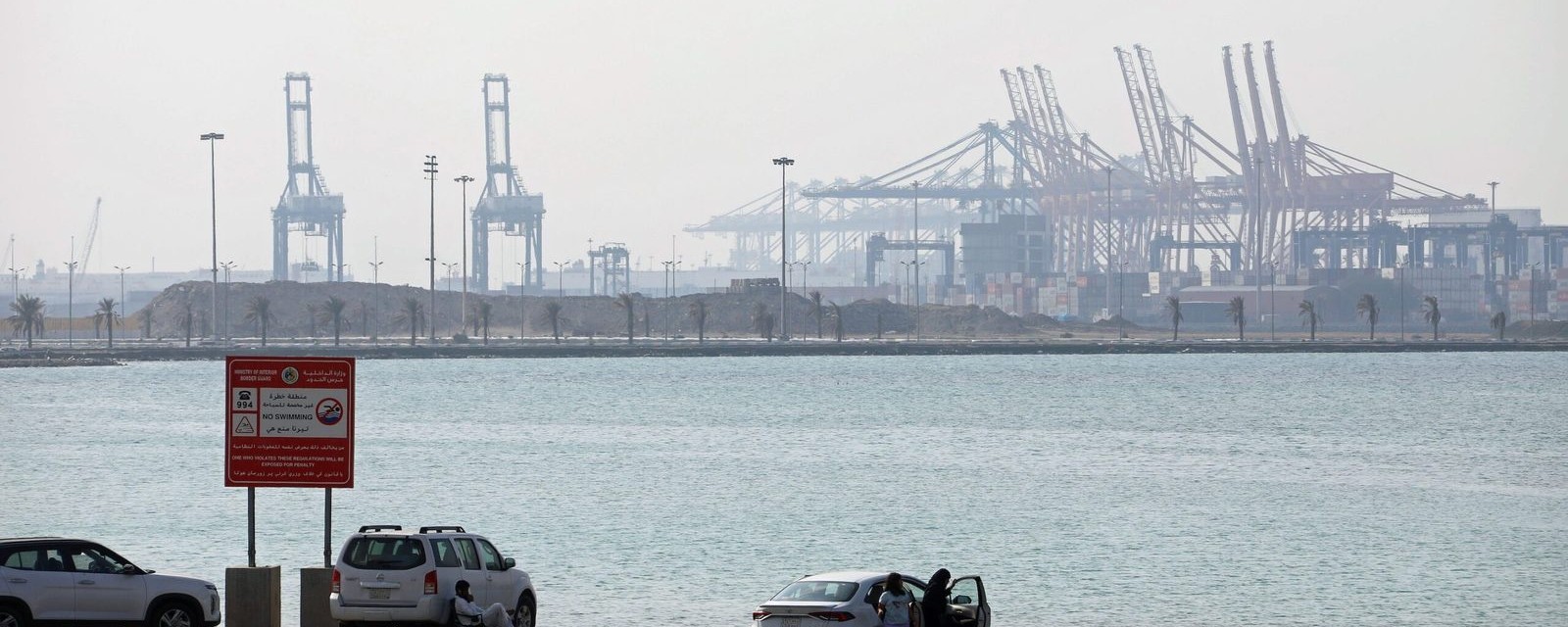
Recent examples include reported strikes on Saudi Arabia’s Red Sea ports of Jazan and Jeddah, an attack on the country’s main oil refining and export facility at Ras Tanura, and an explosive incident involving a tanker off the coast of the United Arab Emirates (UAE).
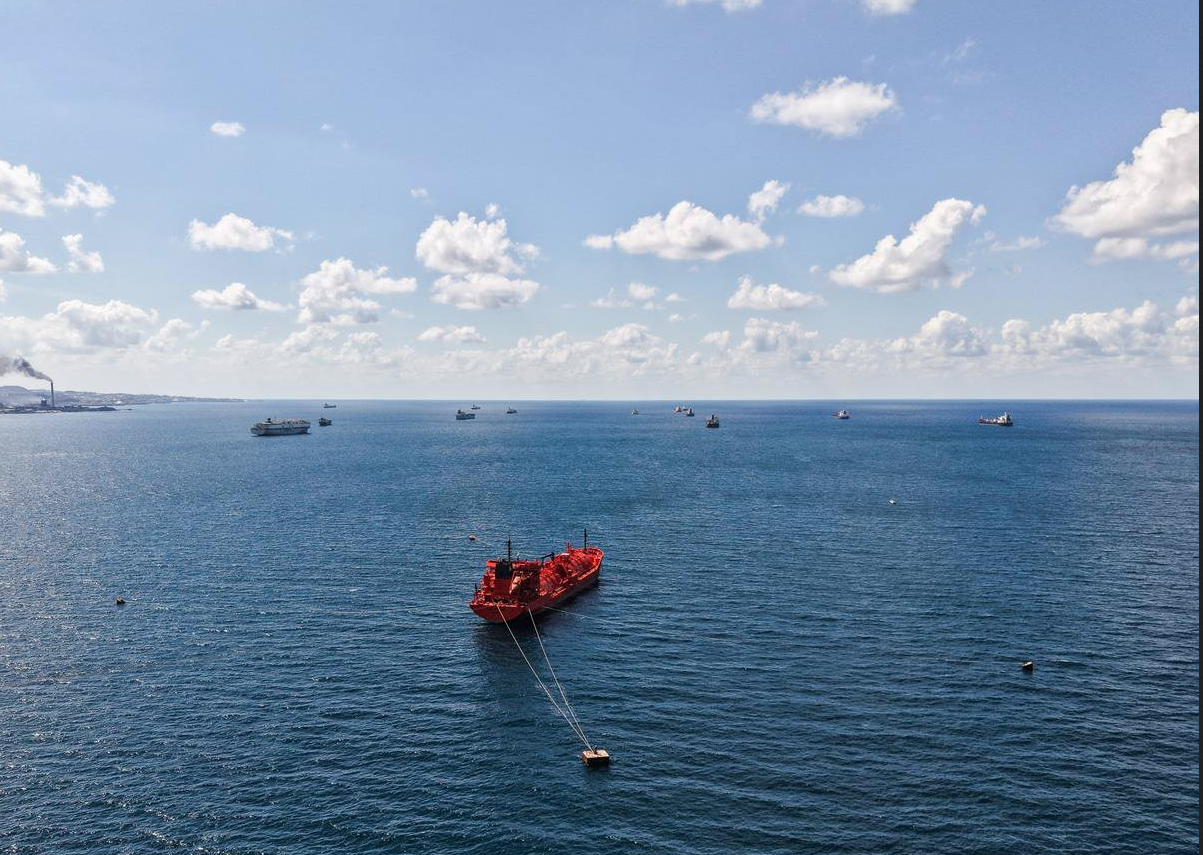
Maritime security in the surrounding waters has also come under renewed pressure. The United Kingdom Maritime Trade Operations (UKMTO) said at 21:30 on 25 November that there was an explosion about 50 meters from the starboard side of a tanker off the UAE coast. The security firm Vanguard Tech later identified the vessel as the Marshall Islands-flagged Captain Leon, placing the incident roughly 50 nautical miles west of Dubai. All crew members are reported safe and the ship has suffered no damage.
Another development was the recovery of a missing mariner from a prior attack in the Strait of Hormuz. The Ministry of Foreign Affairs and Expatriates said on 26 November that Mohammed Hussam al-Din al-Otaibi’s body had been found by the UAE Coast Guard the day before off the coast of Ras Al Khaimah.
Al-Otaibi was reported missing after an attack on the Navig8 Messi, a ship operated by ADNOC Logistics and Services. The incident also injured 11 other crew members.
Meanwhile, Iran has claimed responsibility for a series of 22 mine attacks on commercial vessels in the past week. But it could also mean double counting by different Iranian military units. The names of the 20 tankers allegedly hit and the LNG carrier and containership involved were not disclosed. None of the alleged mine attacks have been confirmed by regional authorities, the Joint Maritime Information Center (JMIC) said on 22 November.
Fears for energy supply grow after Ras Tanura attack
Attacks have been most common since the conflict began on 28 February, and the risk to commercial shipping and seafarers is at its highest level. Here, the recent rise in crude prices reflects increasing market concerns about possible disruptions to regional energy output and seaborne export infrastructure.
“A projectile fired by Houthi forces fell near Jazan Port, causing some minor damage but no civilian casualties,” said Major General Turki al-Maliki, spokesman for the Saudi-led coalition forces. A statement on social media said air defenses downed a drone over the port area of Jeddah.
The Houthi strikes followed a warning that Saudi Red Sea ports such as Jeddah could be targeted if Saudi Arabia attacked Yemen’s port of Hodeidah. Also, ships were asked to immediately leave the affected port facilities.
The Saudi-led coalition provided fewer details on the situation at Ras Tanura. Air-defense systems shot down four drones and debris fell in the area afterward, authorities said. But satellite pictures taken on 25 November showed thick black smoke billowing from the refinery and spreading over a wide area around the site.
The Houthis said they carried out the operation, and claimed a direct hit that set the facility on fire.
Ras Tanura is a critical node in the Saudi energy infrastructure.” The refinery and export terminal are key for the country to process and export crude oil to international markets. Any damage to its refining and export operations would have repercussions far beyond the immediate area.
Mounting pressure on Saudi oil exports in the maritime domain
The latest developments come as Saudi Arabia has been increasing its oil export volumes.
Saudi crude exports in September were 5.4 million bpd, an increase of more than 20% from August, data from the Joint Organizations Data Initiative (JODI) showed. Oil exports increased 25.6 percent over the same period, the country's statistics agency said.
Meanwhile, government figures showed oil revenues were taking a larger share of Saudi Arabia’s overall trade balance, pointing to the country’s continuing reliance on its energy sector.
Loss of any refining or export capacity at Ras Tanura may slow the recovery of Persian Gulf export volumes. Other maritime export routes for Saudi Arabia include facilities along its Red Sea coastline, but these are also facing growing security challenges.
The attacks have put the pipeline linking the east and west coasts of the country and Yanbu, another large oil export terminal on the Red Sea, under increased pressure.
The twin threats to ports, energy facilities and maritime infrastructure are thus prompting broader questions about the durability of Saudi Arabia's export network. Several key routes and facilities are still at risk to security threats and any renewed escalation could contribute to uncertainty in international oil markets and the global maritime supply chain.
END OF REPORT