



The war involving Iran is likely to accelerate investment in bypass pipeline infrastructure across the Middle East, according to speakers at a rapid response webinar hosted by Columbia University’s Center on Global Energy Policy.
The webinar, titled Five Weeks of Conflict with Iran, examined how current hostilities in the Arabian Gulf could reshape future energy and supply chain flows.
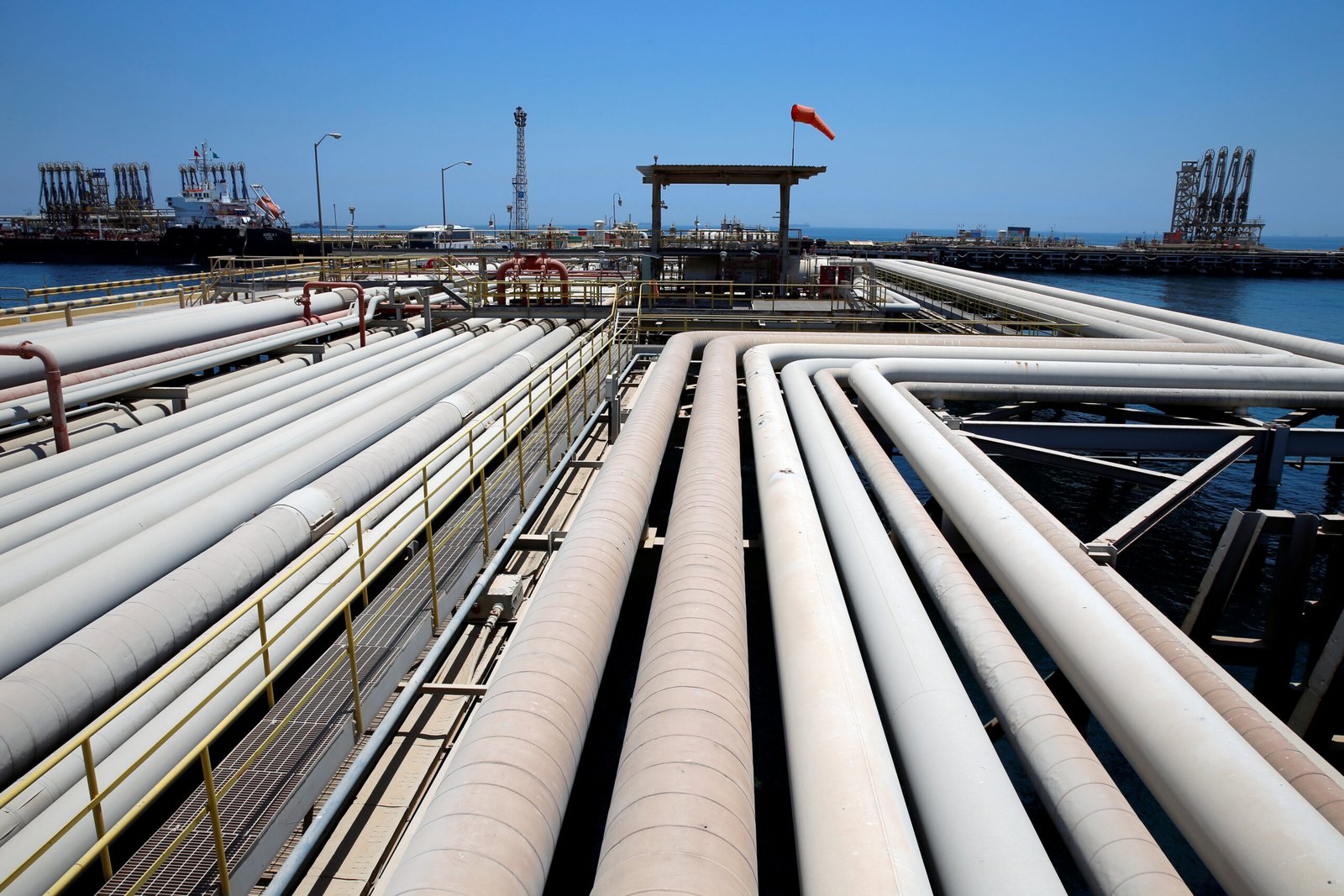
Robin Mills, a CGEP non-resident fellow based in Dubai, pointed to damage across regional energy infrastructure, including an attack in the hours after the initial ceasefire announcement on a pumping station along Saudi Arabia’s East-West Pipeline. That line can carry up to 7m barrels per day of crude to export facilities at Yanbu on the Red Sea.
Mills said the most severe damage has been sustained by the LNG sector, highlighting the mid-March attacks on Ras Laffan in Qatar. He said around 17% of Qatar’s LNG capacity had been so badly damaged that it may not return for about three years. He also said a nearby Shell-operated gas-to-liquids plant had been damaged and could remain offline for around a year.
Daniel Sternoff, analyst at CGEP, said the current situation is likely to benefit energy exporters in the Americas, broadly speaking, as higher prices improve the outlook for LNG and crude suppliers there. He said that for companies considering longer-term energy investment, the Middle East now raises more serious questions until the political environment becomes clearer, while relatively stable producers from Argentina to Canada to Guyana look increasingly attractive.
Mills said the conflict is likely to create a strong push to expand bypass export routes, including the Saudi system to Yanbu and the UAE’s pipeline to Fujairah on the Indian Ocean. He said these routes are becoming strategically essential because Gulf states would not want to remain dependent on a Strait controlled by Iran, particularly if Tehran seeks to impose tolls or threaten future closure.
Asked how quickly such infrastructure could be developed, Mills said a crash programme might deliver these routes in two to three years. He stressed they are not an immediate answer, but also not a distant prospect. He added that wider political uncertainties, including Iraq’s role in possible alternative routes, could complicate longer-term solutions.
CGEP resident scholar Richard Nephew, an expert in sanctions and a former US State Department official involved in the 2015 Iran nuclear deal, offered a more sceptical view regarding the practicality of any Iranian vessel tolling regime. He said the question of how such payments could actually be processed in the current sanctions environment remains unresolved and would be extremely difficult to operate in a transparent and lawful way.
He also noted that a different set of complications would emerge if US sanctions on Iran were ever lifted, especially depending on how future US policy evolves under a government influenced by IRGC-linked factions.







