



Lloyd’s Register (LR) is set to oversee the conversion and life extension of an LNG carrier that will be transformed into a floating storage unit (FSU), as floating gas projects continue to expand across Africa and other markets.
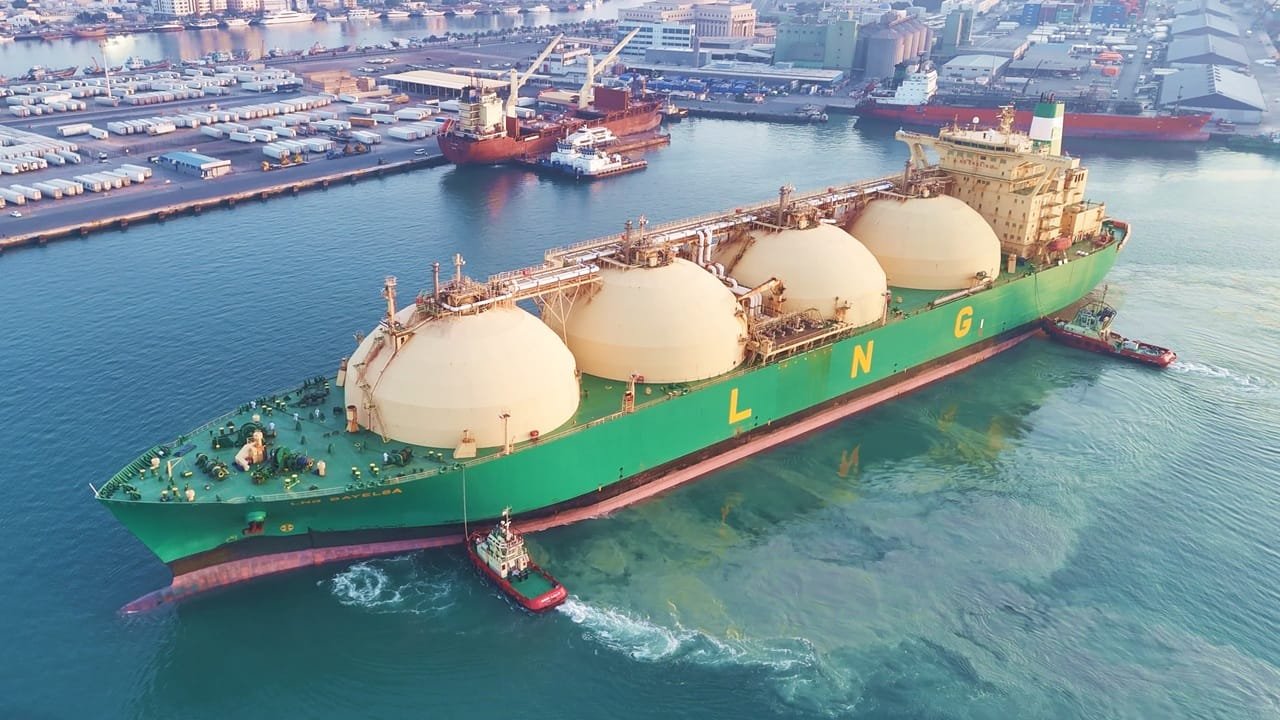
The 141,000-cubic-metre LNG Bayelsa, built in 2003 and powered by a steam turbine, will undergo the conversion at Drydocks World Dubai for Dixstone Lower Gulf FZCO, a Dubai-based sister company of Perenco involved in offshore fabrication and conversion projects.
The vessel has been given the temporary name FSU LNG Cap Lopez and will eventually support Perenco’s $2 billion Cap Lopez project in Gabon, on Africa’s Atlantic coast.
Another floating gas project for Africa
The Gabon development adds to a growing number of floating LNG and gas projects across Africa.
Similar developments are already operating or being developed in countries including Cameroon, Congo, Mozambique and Senegal. Many of these projects rely on the conversion of existing vessels, allowing operators to repurpose older LNG carriers and extend their commercial lives.
For shipowners and energy companies, vessel conversions can provide an alternative to building entirely new offshore assets while creating additional revenue opportunities from existing tonnage.
LR to oversee conversion and life extension
Lloyd’s Register will provide assurance across the conversion programme, including the requirements associated with extending the vessel’s operating life.
The classification society will work alongside the contractor and shipyard throughout the project to assess the vessel’s conversion and ensure it is prepared for long-term operation in the waters off West Africa.
The project highlights the growing role of converted vessels in supporting new gas infrastructure, particularly in regions where offshore LNG developments are expanding rapidly.
For Gabon, the FSU will form an important component of the Cap Lopez development, while for the wider maritime sector, the conversion demonstrates how existing LNG tonnage can be adapted to support the next generation of floating energy projects.