



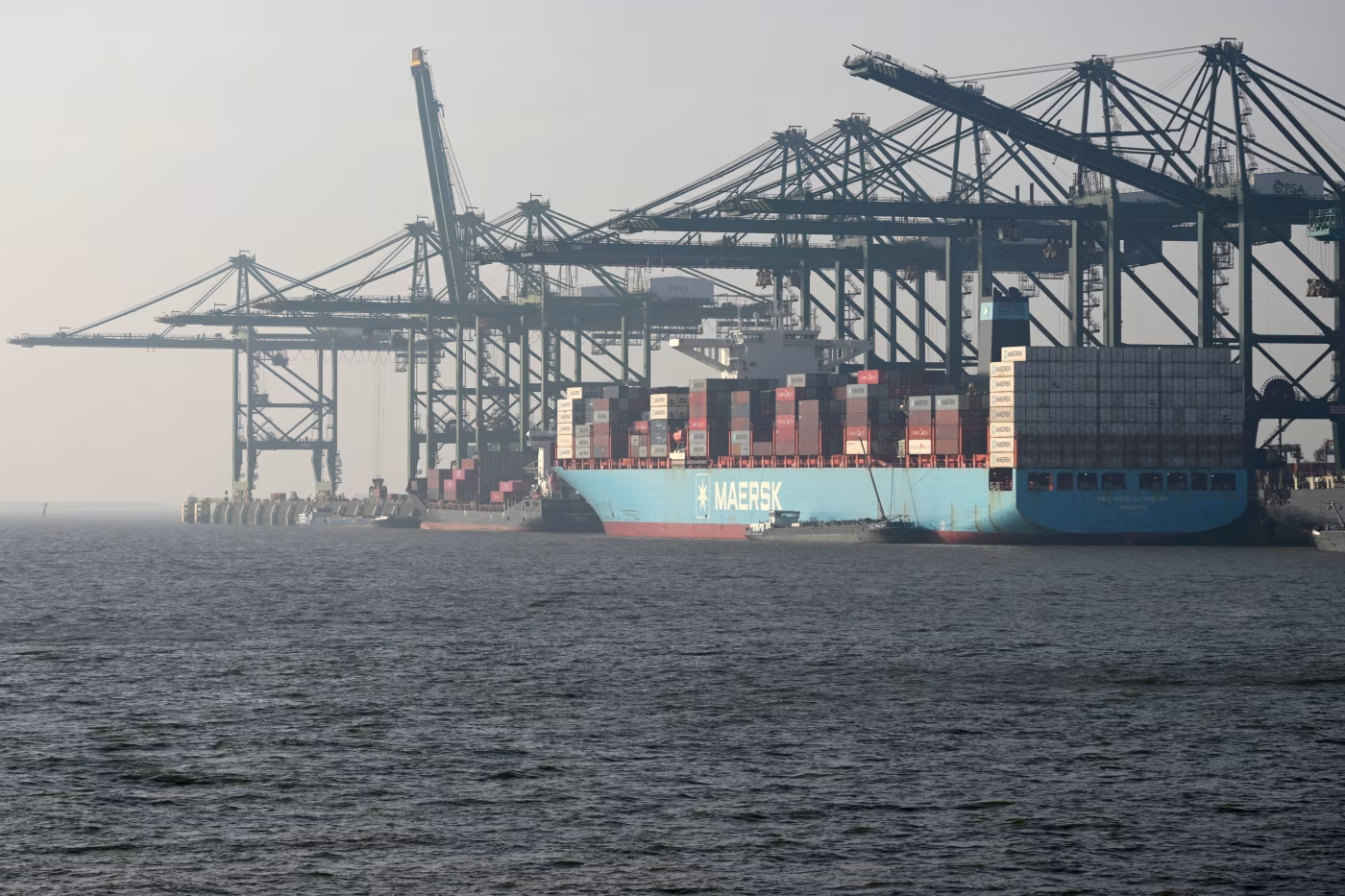
After months of costly detours via the Cape of Good Hope, Maersk is initiating a structured return to the Red Sea – Suez Canal route for one of its services connecting, in particular, the East Coast of the United States, the Middle East, and India. The company justifies this choice by a gradual improvement in stability in the corridor, while recalling that the safety of crews and cargo remains the absolute priority.
This return is not just symbolic: it aims to reestablish more efficient service patterns and more competitive transit times, which are highly anticipated by shippers. Maersk, however, specifies that it maintains fallback scenarios ready to be activated if tensions reappear, with the possibility of switching back to the Cape route.
But behind the good operational news lies a delicate economic equation: shorter voyages mechanically free up ship capacity. However, if demand does not keep pace, the market could face a surplus of tonnage, with potential pressure on freight rates. In other words: more fluidity for the flows… but a risk of reduced profitability for some fleets if the supply becomes too abundant again.