




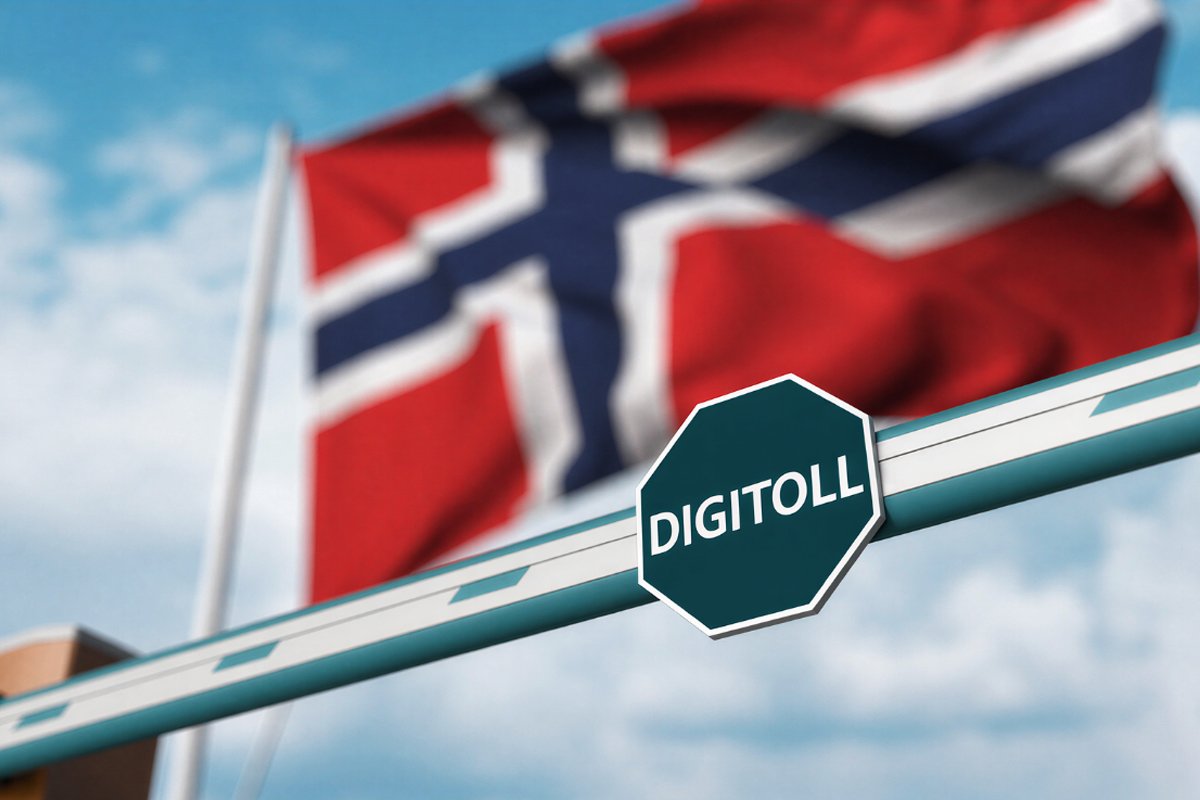
NORWAY – Exporters, logistics firms and freight forwarders shipping goods into Norway have been warned of a possible border disruption as the country prepares to launch its new Digitoll customs system.
The first phase of the rollout will commence on September 15, requiring customs to be reported digitally, replacing a system that has been in place for over 25 years.
Customs information is to be submitted electronically via Digitoll before the goods reach the Norwegian border. This change will dramatically change how importers, carriers and logistics providers handle customs procedures.
Concerns over low adoption
The deadline is looming, but the new system is still not being adopted very much.
Currently only about 25 to 30 per cent of daily road arrivals are registered with Digitoll. Registration levels for air, sea and rail shipments are even lower, raising concerns that companies might not be fully prepared for the transition, the report said.
European customs clearance and trade solutions provider Customs Support Group (CSG) has warned that companies may be underestimating the possible effect on border operations.
To give an idea of the scale of trade that could be affected by the new requirements, Norway imported goods from the United Kingdom alone to the value of some £3.6 billion in 2025.
“Digitoll is an important development for companies shipping goods into Norway,” said Keiron Myall, UK & Ireland managing director at Customs Support Group.
Until now, importers had 10 days after arrival to submit their declarations. Digitoll takes away that flexibility, requiring that the necessary information be submitted before the goods arrive at the border.
More carrier accountability
Another important change is the change in responsibility for the declarations.
The new regime requires the transporter to file Digitoll declarations, thus shifting some of the compliance burden within the supply chain.
This change could add to the challenges faced by those businesses that are not yet clear on who is responsible for the submission and provision of the required information.
In particular for air cargo operators, the data must be accurate before the shipments arrive, so there is less room to correct missing or incomplete information once the cargo is in transit.
Full enforcement starting in 2027
The digitoll conversion is the first phase of the September rollout.
To begin with, companies will need to comply with the system’s digital reporting and information requirements. However, full mandatory enforcement, for all modes of transport, is due to be implemented on 1 March 2027.
As of this date, imports will not be allowed to proceed without a pre-border declaration registered with Digitoll.
The transition thus impacts more than Norwegian importers. Freight forwarders, carriers and logistics companies and exporters across Europe will also need to adapt their procedures to ensure customs data is available before shipments arrive in Norway.
Norwegian trade’s “mini-Brexit”?
“The potential disruption would be similar to the changes businesses went through after Brexit,” said Knut Espen Johansen, managing director at Customs Support Group Norway.
Digitoll, he said, could create similar challenges because companies may have built their existing customs processes around procedures that soon won’t apply.
The primary distinction is the timing of the declaration process. What once was information that could be submitted after the goods arrived now has to be prepared and registered before the border crossing.
For companies that deal with time-sensitive cargo, such as air freight, any failure to provide the required information can lead to delays and additional operational costs.
The first Digitoll requirements will come into force in September, with full enforcement in March 2027, giving companies trading with Norway a limited window to review their customs processes and prepare for the new system.