



Port Corpus Christi is taking steps toward a potential nuclear-powered future after signing an agreement with Core Power to assess how nuclear technology could be integrated into port operations and maritime transportation.
The Port Corpus Christi Authority (PCCA) and Core Power have signed a memorandum of collaboration covering a maritime nuclear readiness study at the Texas port, with support from the U.S. Maritime Administration (MARAD).
The study will examine how the port could prepare for two potential applications of nuclear technology in the maritime sector.
Preparing for floating nuclear power
One area of the study will focus on the possibility of hosting a floating nuclear power plant capable of supplying electricity to Port Corpus Christi and potentially surrounding areas.
The partners will assess what infrastructure, operational capabilities and other requirements would be necessary for the port to accommodate such a facility.
The concept could provide an additional source of electricity while strengthening energy resilience at a major U.S. maritime gateway.
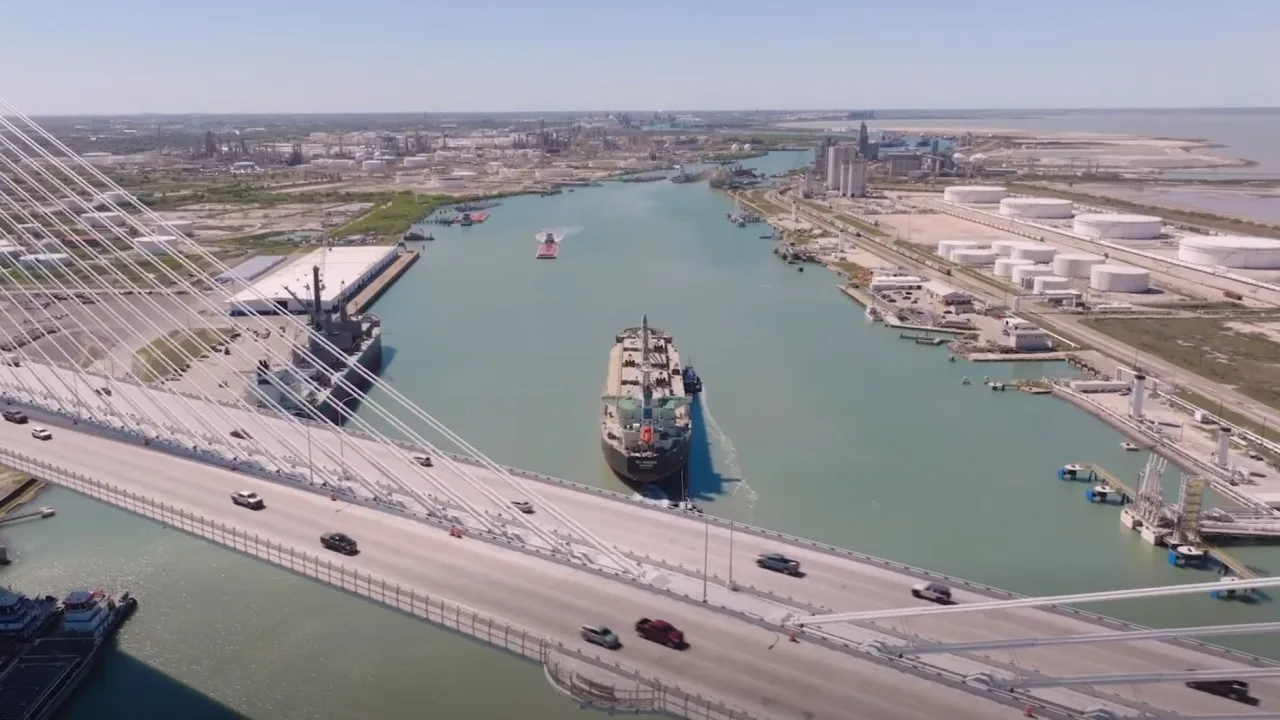
Port Corpus Christi is particularly significant to the American energy sector. It is the country’s leading port for petroleum exports and is also a major hub for LNG exports.
Could nuclear-powered ships call at the port?
The second part of the study will examine whether Port Corpus Christi could eventually accommodate commercial vessels powered by nuclear energy.
As nuclear propulsion technology develops, large commercial ships using small modular reactors (SMRs) could become an emerging option for long-distance maritime transportation.
The port will therefore assess what would be required to safely receive nuclear-powered vessels and integrate them into its future operations.
Two potential roles for maritime SMRs
The study reflects the two main applications expected for small modular reactors in maritime operations.
The first is the use of SMRs in floating nuclear power facilities capable of supplying electricity and potentially heat to the wider grid.
The second is their potential use as propulsion systems aboard large commercial vessels, providing onboard power without relying on conventional marine fuels.
For shipping, nuclear propulsion could offer significant long-term advantages in terms of emissions and energy security, although major regulatory, safety and infrastructure requirements would need to be addressed.
The collaboration between Port Corpus Christi, Core Power and MARAD represents an early step toward understanding those requirements and determining how a major U.S. energy port could prepare for the potential emergence of nuclear-powered shipping.