Maritime Nov 11, 2026
Port of Long Beach joins global push to electrify 35% of shipping energy by 2035
Shore-power infrastructure, renewable electricity and vessel electrification take center stage in an international initiative targeting maritime emissions and cleaner port operations.
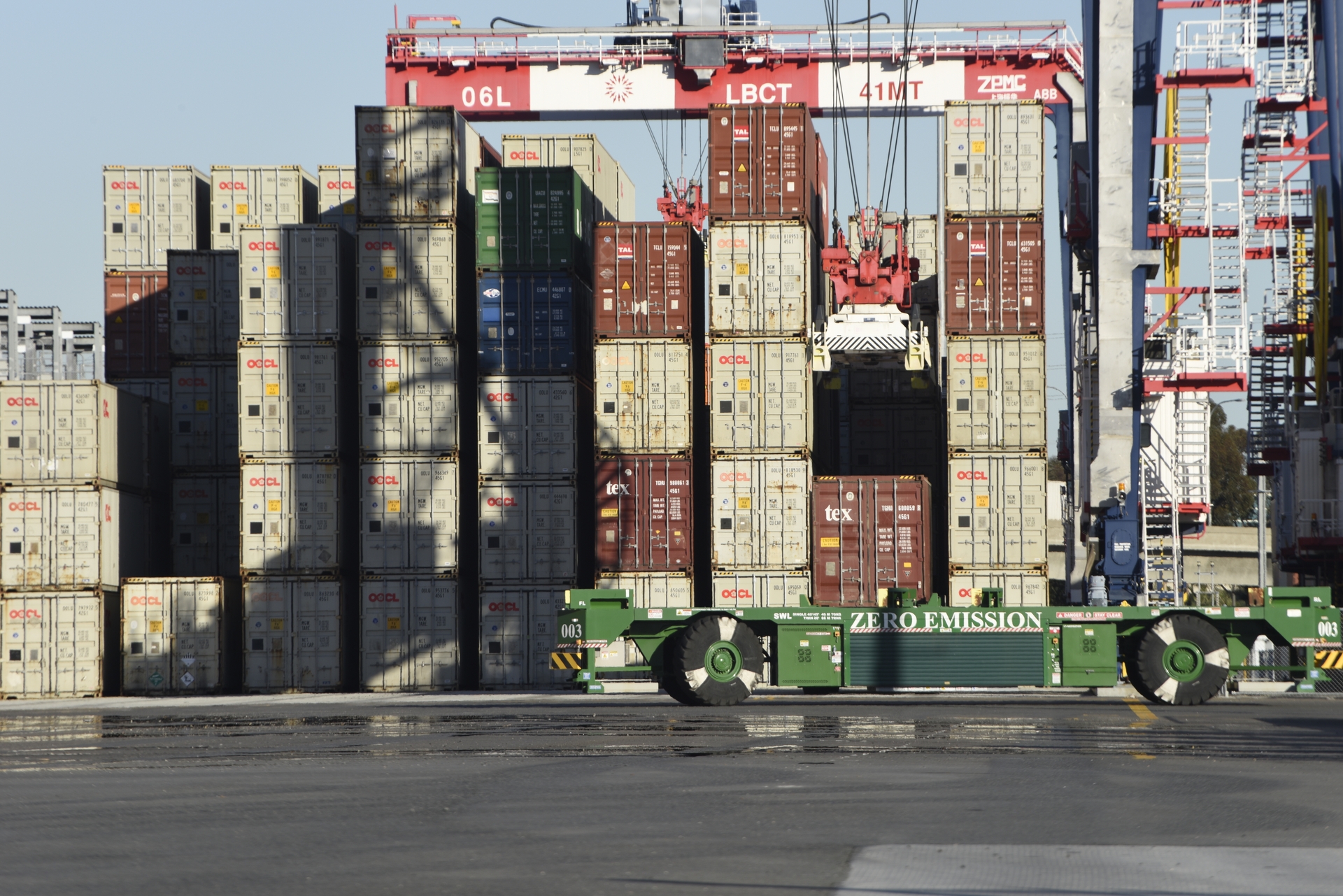
The Port of Long Beach is among the North American ports highlighted in a new international initiative seeking to significantly expand electricity use across the maritime sector. The proposal sets a target for electricity to meet at least 35% of international shipping’s final energy demand by 2035, positioning port electrification and shore-power infrastructure as key elements of the transition away from fossil fuels.
Unveiled during a climate conference in Ankara, Turkey, the Maritime Electrification Breakthrough Goal identifies Long Beach, Los Angeles, Seattle and Miami as examples of ports that have already made substantial progress in deploying shore-power systems. These installations allow vessels to connect to high-voltage electricity supplies while docked, particularly at container and cruise terminals.
Currently, electricity represents approximately 20% of the maritime sector’s total energy requirements. The new initiative aims to accelerate its adoption through a combination of expanded port infrastructure, battery-powered vessels, stronger electricity networks and increased renewable energy generation.
The initiative was jointly developed by a coalition convened by Turkey and Australia. Its announcement comes as the International Maritime Organization (IMO) prepares to debate the adoption of its Net-Zero Framework on November 23 in London. The proposed global policy is intended to encourage greater use of alternative energy sources across the shipping industry.
A measurable goal for international shipping
The 35% target is for international shipping final energy demand specifically. It is not a target based on the number of electrified vessels or the percentage of port equipment on electricity.
In practice, the ambition means around 2 exajoules of electricity out of an estimated 10 exajoules of total energy demand from international shipping.
For context, one exajoule is equivalent to about 278 billion kilowatt-hours, or the amount of energy released in the combustion of approximately 170 million barrels of oil.
Electricity supplied to international ships while at berth will count toward the target as will electricity consumed directly on board ships. This is where shore power is especially critical, allowing ports to facilitate the transition without the need for ships to run their usual on-board generators while in port.
But the calculation does not include electricity for terminal machinery, port-related trucks and trains, domestic shipping operations and the production of renewable fuels.
The initiative notes that even with these exceptions, all of these activities should be considered in concert when planning for maritime electrification. Their needs in terms of infrastructure are closely interlinked, especially in the areas of electricity distribution, grid capacity and renewable energy supplies.
The document says that ports sit at the nexus of these systems and will be critical energy and implementation nodes for the transition.
Shore power and vessel electrification as complementary actions
The framework identifies a number of ways to increase electricity consumption in the maritime transport sector. One of the most readily available solutions is the use of shore-power connections, while battery-electric vessels could play a growing role, particularly on shorter international routes.
One of the tools for transforming how ports operate is electrifying cargo handling equipment.
The paper says there are currently more than 1,600 fully electric and hybrid vessels in operation worldwide. But there are practical challenges, including limited charging infrastructure, the need for maintenance and a lack of technical skills in some areas, which continue to hold back broader take-up of these technologies.
Liquid fuels are still expected to be needed for long distance shipping. The framework therefore recognizes that alternative energy sources will continue to play an important role in decarbonizing longer voyages.
Alternatives lie in the form of renewable fuels like green hydrogen and ammonia. But they will require a lot more renewable electricity to produce. That energy demand doesn’t count toward the initiative’s direct-electrification goal.
Infrastructure investment must match the ambition
“While there are many opportunities for progress using available technologies, the transition will not happen with technological readiness alone,” the coalition warns.
High up-front investment costs, uncertainty around future demand, sensitivity to electricity price fluctuations and long lead times for infrastructure development may slow implementation.
Distribution of financial responsibility still remains a big challenge also. Ports, terminal operators, electricity providers and shipowners must decide how to share the costs of infrastructure and risks of operations.
The proposal foresees long-term commitments to use the infrastructure, more involvement of utilities, cost-sharing mechanisms and stronger public financing arrangements to address those concerns.
Public funding and financial guaranties are considered to be particularly important in the initial phases of projects. By taking on some of the upfront risk, governments could help to attract private investors and make large-scale electrification projects financially viable.
A better coordination of the vessels’ electricity demand, the terminal operations and the landside freight activities can also improve the utilization of the infrastructure. The framework says that matching these requirements would encourage investment in both grid capacity and renewable generation, and lower the risk of fragmented projects or underutilized facilities.
Benefits for public health and the environment
Maritime electrification could also provide major benefits for communities near ports and major freight corridors, in addition to cutting greenhouse gas emissions.
These locations are often disproportionately affected by pollution related to transportation. Using electricity instead of fossil fuel energy could cut emissions of particulate matter, nitrogen oxides and sulfur oxides, as well as greenhouse gasses.
The initiative however notes that the overall climate benefits of electrification depend on the source of the electricity. Renewable generation will be critical to ensuring the transition leads to substantial emissions cuts.
International collaboration, workforce development
The change in maritime operations will also have implications for the workforce. New propulsion systems, charging technologies and port infrastructure are likely to require updated technical skills and changes in existing roles in board vessels and port facilities.
The framework therefore identifies workforce development as a critical component of the transition, calling for support and training opportunities for seafarers and port workers affected by technological changes.
Participating organizations are expected to contribute by sharing knowledge, through demonstration projects, by improving access to financing and through the exchange of experience in implementation. Progress toward the 2035 target will be reviewed each year.
In developing economies, the initiative views the growing demand for maritime electricity as an opportunity to stimulate wider investment in renewable energy generation and to reinforce national electricity grids.
But it acknowledges that these countries may encounter additional challenges, such as higher costs of financing, limited electricity infrastructure and constrained public budgets. It can be particularly hard to get initial electrification projects off the ground in such conditions.
The proposal thus encourages governments to include maritime electrification in their national climate strategies and to support international measures that can provide investors with clearer and more predictable signals.
Why it’s important
The addition of the Port of Long Beach reflects the increasing significance of port infrastructure in the energy transition in the maritime sector. Achieving the proposed 2035 target will require much more than the installation of shore-power connections or the introduction of electric vessels.
Ports, utilities, terminal operators and shipowners will have to coordinate electricity demand, grid expansion, renewable energy production and long-term infrastructure financing.
This is part of the initiative to make ports the hub for energy and implementation, beyond just a place where ships and cargo are handled, to put ports in the center of maritime decarbonization.
END OF REPORT