Land Nov 12, 2026
Record US rail traffic as October freight growth signals economic resilience
Intermodal shipments reached an all-time high in October, with gains in automotive, chemicals and industrial commodities suggesting that freight demand is holding up despite inflation, higher interest rates and weak consumer sentiment.
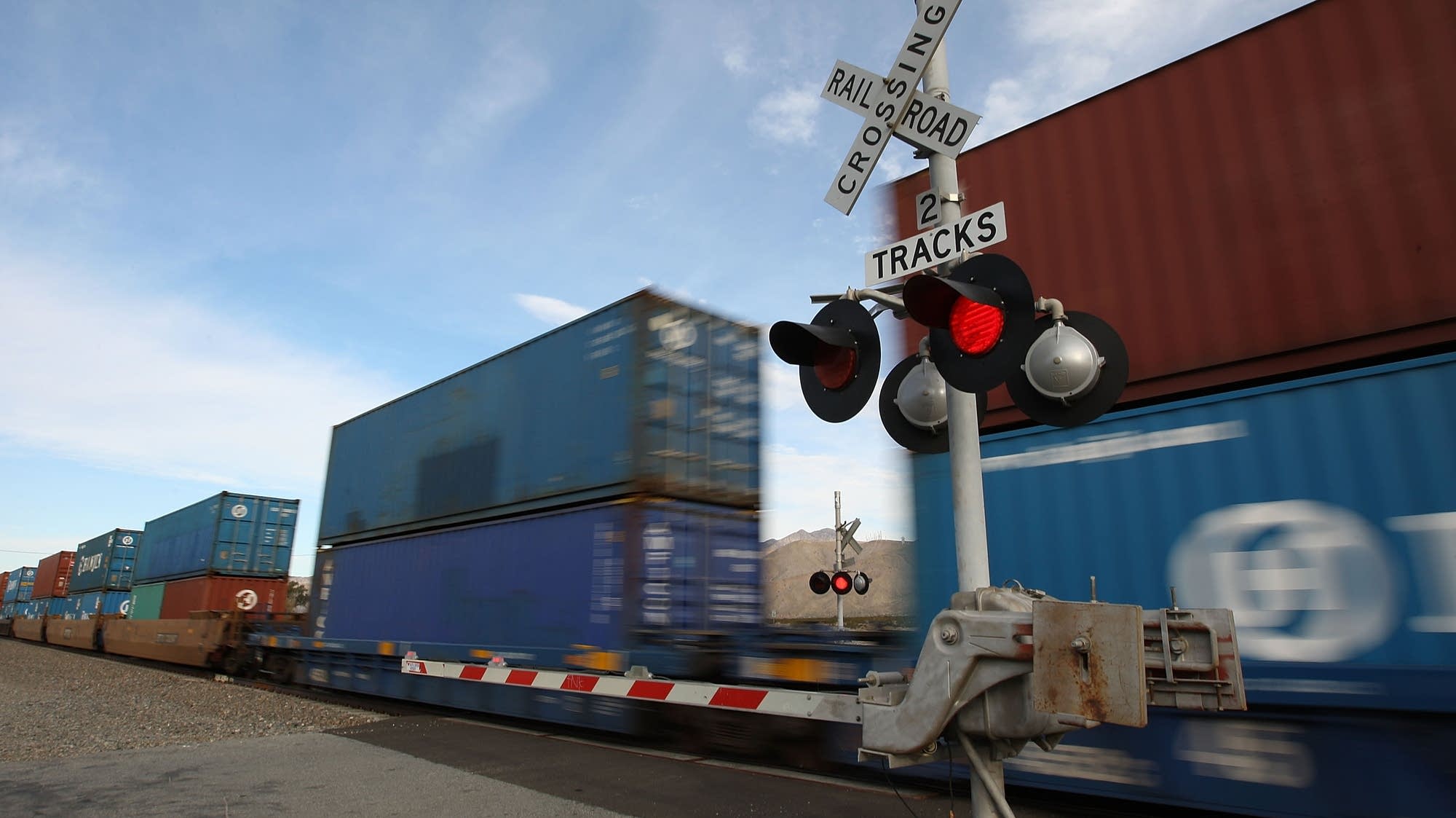
U.S. rail freight activity continued on a strong trajectory in October, with intermodal shipments reaching an all-time high and total carload volumes posting their largest percentage gain in eight months. The latest data from the Association of American Railroads (AAR) demonstrates the U.S. freight market’s resilience, despite ongoing economic challenges like inflation, elevated borrowing costs and faltering consumer confidence.
Intermodal traffic was up 9.6% year-over-year. Railroads moved an average of more than 298,000 containers and trailers a week, the highest weekly average ever for a single month. Total carloads were up 3.4% and volumes excluding coal were up an even more impressive 4.5%.
The expansion included a variety of freight segments. In October, 15 of the 20 carload categories tracked by the AAR gained compared with a year ago. Moreover, during the first ten months of 2026, 16 categories were above the levels for the same period in 2025. This widespread improvement implies that the growth is not just a diversion of freight traffic from road to rail but is indicative of genuine industrial activity.
Intermodal activity continues at an all-time high
The latest numbers are pointing to a great time for U.S. intermodal transportation. The three months before the report were the best on record for intermodal traffic in the country.
October was especially notable, a traditional high point for freight moves as retailers gear up for the holiday shopping season. The month had three of the five largest-volume intermodal weeks in U.S. rail history, 1st, 3rd and 5th, respectively.
Cumulative intermodal traffic through October was up 4.7% from the same period last year. The AAR said the sector was on course to set a new annual record based on this performance.
That speed-up was due to several things. Operating costs for trucking companies are rising as diesel prices, insurance premiums and maintenance costs climb. And a federal crackdown on the trucking sector has reduced the supply of some truck drivers, helping to boost the competitive standing of rail-based intermodal services.
Strong rail service performance, continued consumer spending and retailers restocking their shelves have also underpinned demand.
Strength in automotive and industrial commodity shipments
Motor vehicle transportation was one of the strongest categories in October. Rail carloads of motor vehicles in the U.S. jumped nearly 10% year-over-year, or about 5,900 more shipments.
Including the Canadian and Mexican rail networks, the increase was more than 8,000 carloads, or 9%. That was the category’s biggest percentage gain since December 2023.
The AAR said the gain was due to strong demand from buyers. Motor vehicle shipments so far this year, however, were only slightly higher than in 2025, showing the lingering effect of rising interest rates on the auto market.
Several other industrial segments also crossed key milestones. Shipments of petroleum products posted their highest carload volume since February 2020 and movements of iron and steel scrap posted their strongest level since September 2008.
October is the best month for steel product shipments since 2018. Products of grain mills also set a new October record, demonstrating the strength of activity across several industrial supply chains.
Production recovery boosts chemicals
Chemical transportation, the No. 2 source of railroad revenue behind intermodal, also showed substantial gains. Carloads in the category rose at their fastest pace in seven months.
Chemical shipments almost certainly would set a new annual record, with manufacturing activity starting to recover again, said AAR.
This segment’s performance is of particular importance because of the role rail transportation plays in moving industrial chemicals and related products throughout the United States.
Grains remain a major contributor, despite October slowdown
Grain continued to account for the largest share of the year-to-date growth in total carloads. Shipments through October were up about 10% or 92,000 more carloads than in the same period last year.
But October saw a reversal of this trend. Grain shipments fell on a year-over-year basis for the first time in 12 months.
Most of the changes in grain traffic were due to export activity, according to the AAR. Grain exports were up 13% in the first half of 2026, but fell in the third quarter, affecting demand for rail transport.
Coal traffic also rose a bit in October, breaking a streak of seven straight months of year-over-year declines. Still, cumulative coal shipments were 1.6% below last year’s levels despite the recovery.
Higher coal exports were supportive to a certain degree, partially offsetting weaker domestic demand from coal fired power generation.
The coal sector continued to be under additional pressure from relatively low natural gas prices. U.S. natural gas prices over the last six months averaged about 25% lower than the previous decade, after accounting for inflation. This price advantage made gas-fired electricity generation more competitive with coal-fired power plants, the AAR said.
Rail freight indicators suggest stronger underlying activity
And the overall industry indicators were also better than just the individual commodity sectors.
The AAR Freight Rail Index, which excludes coal and grain and adjusts the other traffic for seasonal variations, reached its second highest level on record in October.
Meanwhile, railcars in storage declined for the eighth time in nine months. The percentage of stored railcars in the North American fleet was 17.5%, the lowest level since at least December 2022.
These developments suggest that the recovery in rail freight activity is associated with a higher utilization of the available rolling stock.
Positive freight numbers but economic headwinds continue
But the strength in hauling freight stands compared to ongoing financial pressures on U.S. households, the AAR said.
Consumer prices in September were 23% higher than five years ago. Higher interest rates, housing affordability problems and weak consumer confidence continued to weigh on household sentiment.
But the economic indicators cited in the association's overview suggested the broader U.S. economy was still on an expansionary path.
The U.S. economy grew at a 3.4 percent clip in the third quarter, preliminary figures showed. The unemployment rate was 4.1 percent and the initial October estimate showed that 165,000 jobs were created.
The Purchasing Managers’ Index (PMI) also showed that manufacturing activity stayed in expansion territory for the tenth straight month. “Activity in services, and consumer spending also continued to expand.
The AAR also pointed to potential uncertainty around policy changes after the midterm elections. Still, its prediction that rail traffic will continue to grow into 2027 is supported by the broad-based improvement in freight volumes.
The results from the U.S. rail industry in October offer further evidence that intermodal transportation and industrial freight remain steady in an economy that continues to be defined by cost pressures and uncertainty.
END OF REPORT