Land Nov 6, 2026
Ryder expands its fleet management operations through East Coast acquisition
The acquisition of Efficiency Enterprises will bring approximately 1,200 vehicles, including 900 power units, into Ryder’s FMS division, while strengthening its operational network across six locations in key U.S. logistics markets.
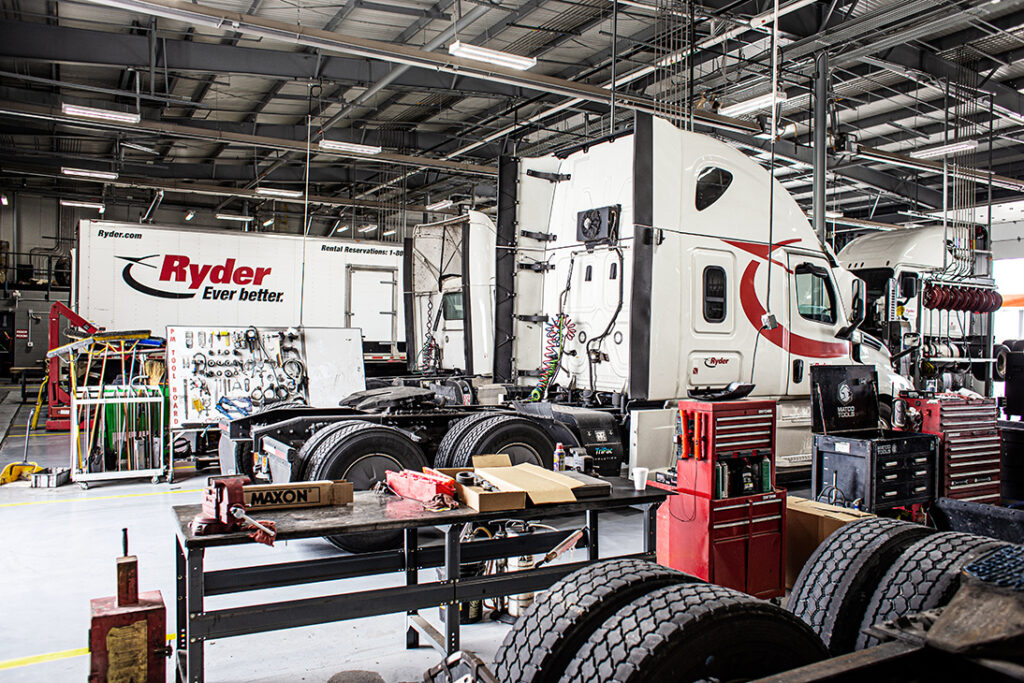
Ryder System (NYSE: R) is growing its Fleet Management Solutions (FMS) division with the purchase of Efficiency Enterprises, a local company that does some of the same business as Ryder's current fleet management, vehicle leasing and maintenance services.
The transaction adds around 1,200 vehicles to Ryder’s network, including some 900 power units, an established customer base, experienced technicians and six operating locations in the eastern U.S.
Efficiency Enterprises offers fleet management, maintenance and leasing services for trucks, trailers and material handling equipment. These activities are very similar to the FMS division of Ryder, which is the heart of the company’s rental and leasing business.
It has locations in Orlando, Tampa and Fort Myers, Florida, Astoria in Queens, New York City, Baltimore and Middletown, Delaware. These locations will supplement the company’s capacity and increase service coverage in those markets, a Ryder spokesperson said in comments emailed to FreightWaves.
The spokesman also underlined that the primary value of the transaction was the combination of experienced workforce, established customer relations, strong leasing and maintenance operations and a presence in strategically important logistics markets.
Expected to contribute $50 million to revenue next year
Ryder did not disclose the financial terms of the buyout. But the company expects Efficiency Enterprises to add about $50 million in gross revenue to FMS in the next year and to add incremental growth to earnings.
This contribution is still relatively small in relation to the scale of the split. FMS reported revenues of about $4.6 billion for the first nine months of the year.
The size of the transaction therefore raises a broader question about Ryder’s expansion strategy: why buy an existing operator, rather than build equivalent operations in-house?
“There is an existing business structure that is ready to go,” Ryder says. The acquisition provides existing facilities, customers, assets and experienced technicians that can be integrated into its existing FMS network. This also enables the group to increase operating capacity and customer service in key transportation and distribution markets.
FMS continues to grow externally
The acquisition comes as Ryder continues to reduce the relative contribution of FMS to consolidated revenues. That division made up 56% of the company’s total revenue in 2018, down from 40% in the most recent quarter, according to a slide in its third-quarter earnings presentation.
But Ryder has continued to grow this business through acquisitions. The company bought Efficiency Enterprises and it was the second acquisition related to FMS in three years.
In 2024, the company acquired mobile fleet maintenance provider Pit Stop Fleet Services, adding about $24 million in revenue.
In announcing the Efficiency Enterprises deal, Ryder also said that the maintenance capabilities of the acquired company were important, but that this was not the primary goal of the deal, as it was with the Pit Stop acquisition.
The two deals are for different purposes in Ryder's development plan. Pit Stop strengthened its Torque by Ryder retail mobile maintenance business and expanded its geographical footprint. Efficiency Enterprises, meanwhile, offers a broader range of capabilities including fleet leasing, maintenance, customer relations, vehicles and physical locations.
The broader combination is expected to strengthen the existing FMS network, not just focus on mobile maintenance services.
Improving coverage in industrial and distribution markets
"The acquisition is part of our ongoing efforts to increase operational capacity, enhance the coverage of our services and support customer growth in strategically important industrial and distribution regions," said Ryder.
Besides the extra vehicles, the group will gain from an existing operational platform in six East Coast locations, via the integration of Efficiency Enterprises.
The transaction gives Ryder access to additional infrastructure, technical expertise and existing commercial relationships, allowing it to solidify its position in key transportation and distribution markets and broaden the capabilities of its flagship FMS division.
END OF REPORT