Business Nov 23, 2026
Walmart nearly triples deliveries completed in under 30 minutes in Q3
Growing demand for faster fulfilment is driving Walmart's rapid-delivery expansion across the United States, while store-based operations and improved picking efficiency offer further opportunities to accelerate last-mile services.
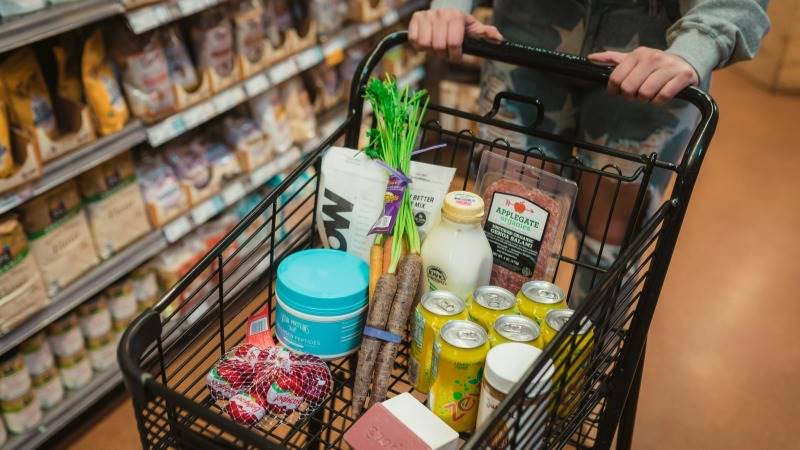
Walmart’s rapid-delivery activity picked up in the third quarter, with U.S. orders delivered in less than 30 minutes nearly tripling versus the year-ago period. The increase is due to growing customer demand for faster fulfillment and underlines the retailer’s efforts to compete in an increasingly demanding e-commerce market.
“We’re seeing really strong performance with that service,” David Guggina, president and CEO of Walmart U.S., said on the company’s earnings call Thursday, adding there are more opportunities to improve delivery times by getting orders ready for shipment faster in stores.
In August, the retailer first said its delivery service that promises to get your order to you in 30 minutes or less had expanded to 38 U.S. markets. Now, Walmart can reach about 60% of American households with a 30-minute delivery window. This time also includes about 15 minutes of product-picking time inside stores.
If Walmart can pick faster, “that may allow them to expand their geographical coverage or shorten their delivery times even more,” Guggina said.
“If we pick faster, we can either go further afield and reach more customers in 30 minutes, or we can deliver to our customers more quickly,” he said.
Fast fulfillment helps Walmart’s e-commerce performance
Faster delivery services are becoming a growing contributor to Walmart’s online growth. The retailer reported a 23% year-over-year increase in U.S. e-commerce sales during Q3, driven in large part by fast fulfillment options.
The fast-delivery offer is also Walmart’s competitive move against Amazon, as both retailers keep investing in quicker delivery windows and more efficient fulfillment operations.
“Speed of delivery is driving higher customer and member conversion,” said John David Rainey, Walmart’s executive vise president and CFO, on the earnings call.
The large physical store footprint of Walmart remains the core of this strategy. Right now, 80% of its U.S. e-commerce orders are shipped straight from its stores, enabling the company to keep inventory closer to consumers and accelerate order fulfillment.
The figures validate the significance of this approach. Rainey said deliveries fulfilled through stores were up more than 40% during the third quarter and expedited deliveries were up more than 50%.
Its physical locations are also being used to help fulfilll its online marketplace, giving customers access to a wider range of products.
Walmart Inc. President and CEO John Furner said that the selection of marketplace inventory inside stores increases the number of products available for fast local delivery. This model offers customers more selection and allows Walmart’s stores to support a larger marketplace operation.
Additional fulfillment locations support last mile efficiencies
Walmart is growing its fulfillment network outside of its traditional retail footprint, adding new distribution points that are designed to grow its delivery reach and improve the efficiency of its operations.
These include the company’s “Walmart Depot” facilities, which began opening in the United States last year. These delivery stations hold inventory for online orders that is pushed forward allowing the retailer to build a denser delivery network and work more efficiently with its drivers.
“These locations will be key to improving our delivery operations, specifically by placing inventory closer to demand and enabling a more concentrated network,” Furner said.
Delivery density is a key determinant to control last mile cost. Retailers can decrease the cost of each individual delivery and improve the overall economics of their operations by transporting a greater number of packages along a given route.
So Walmart’s store-based fulfillment, fast picking, strategically located inventory and dedicated delivery stations are becoming an important part of its e-commerce strategy.” The retailer is looking to improve the speed and efficiency of its fulfillment network as customer expectations move toward ever-shorter delivery windows.
END OF REPORT