Land Nov 16, 2026
Slovenia Advances Koper–Divača Rail Project as Track Installation Reaches Completion
Rails, expansion joints and signalling systems are now in place on the new railway line. Technical testing is the next step, as the project introduces the Rheda track system in Slovenia for the first time.
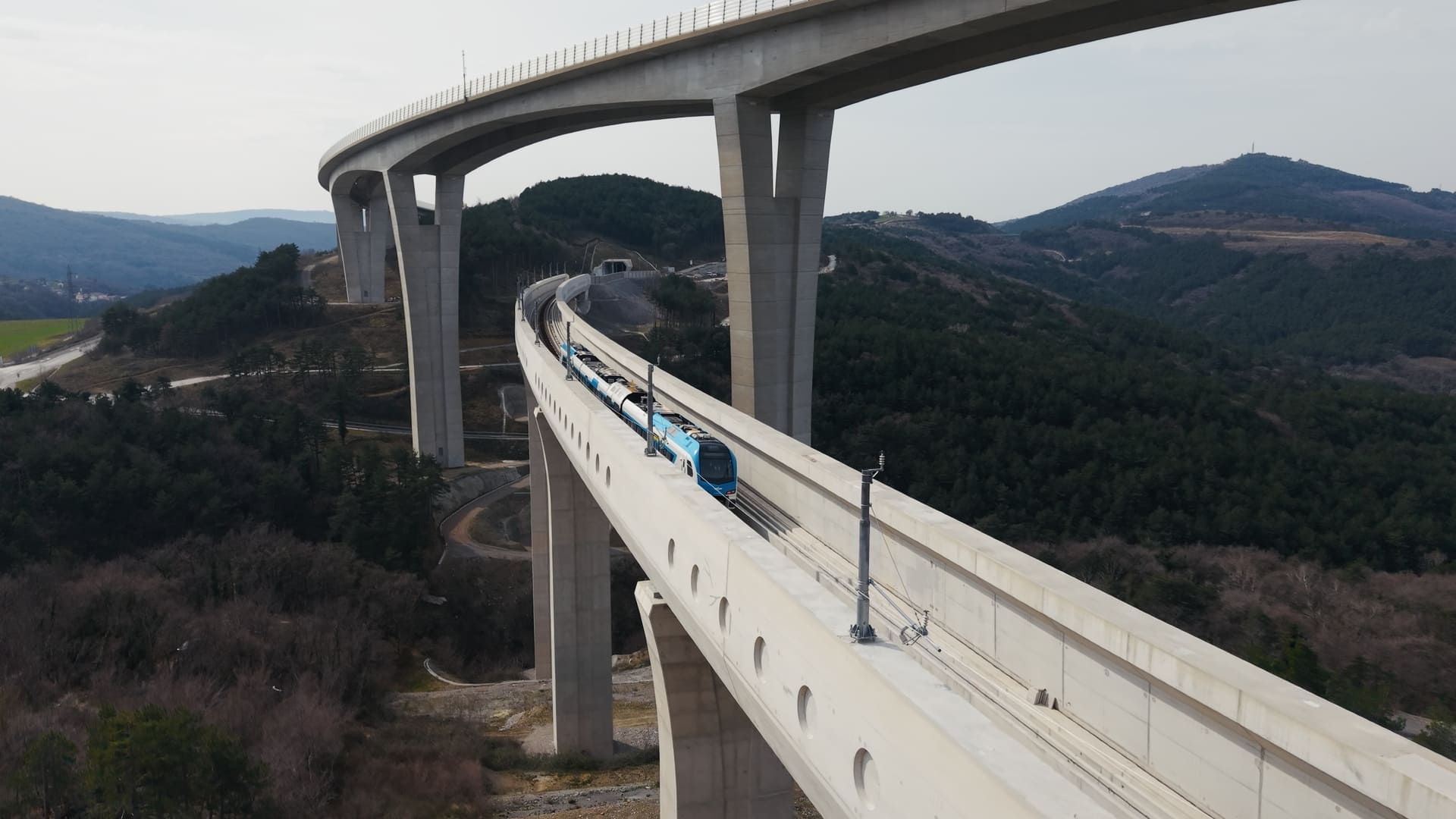
Slovenia Advances Koper–Divača Rail Project as Track Installation Reaches Completion
Rails, expansion joints and signalling systems are now in place on the new railway line. Technical testing is the next step, as the project introduces the Rheda track system in Slovenia for the first time.
The construction of railroad infrastructure on the Koper-Divača line in Slovenia has been completed, which represents another important milestone in the development of the new railroad connection. All work on the track, such as laying the rails, installing the auxiliary equipment and erecting the signal systems, is now complete. The contractor has submitted the documentation of the performed works to the project company 2TDK, which enables the next stage of technical tests.
The work done does not simply consist of installing the rails. They also incorporate all the elements required for the safe and efficient operation of infrastructure, including specific railroad expansion joints designed to maintain track continuity during structural deflections. The planned signaling equipment has been installed on the line.
The method of track construction used for most of the route is a key engineering feature of the project. The railroad does not have the usual sleepers on a ballast bed. It uses a rigid concrete slab system generally called slab track, where the rails are fixed directly to a concrete structure.
This method has two great benefits: less maintenance and longer life. Both are particularly valuable for the Koper-Divača railroad, where a large part of the route runs through tunnels, and the access for maintenance operations can be more demanding.
Slovenia has already applied slab-track technology on some sections of railroads but the Koper–Divača project is the largest use of this type of construction in the country so far. It is also a national first in the use of the German Rheda system, one of the internationally accepted solutions for the construction of railroad track on concrete slabs.
Expansion joints compensating for structural movements
The expansion joints on the railroad viaducts have also been given special attention. Like road bridges, railroad structures expand and contract with temperature. The railroad infrastructure must, however, be able to support these movements without loss of continuity of the rails and safe passage of trains.
This is where specially designed expansion joints come in: they accommodate the longitudinal movements between the track and the viaduct structure, allowing the railroad to continue operating under stable conditions even when the supporting infrastructure moves.
Each structure will have different dimensions and expected movements, so the engineering requirements will be different . There are two expansion devices, one at each end of the Gabrovica viaduct, with a total longitudinal movement capacity of 600 millimeters.
The Vinjan viaduct demands a solution that will accommodate even greater structural displacement. Therefore, expansion joints with a total movement capacity of 1,200 millimeters have been installed.
These are particularly important on major railroad bridges and viaducts where temperature variations can cause considerable structural movement. Their ability to absorb these displacements is critical to the continuity of the tracks, the safety of operations and the long-term reliability of the railroad infrastructure.
With track laying, the installation of auxiliary equipment and signaling completed, the Koper–Divača project moves to the phase of technical testing, taking the new railroad connection a step closer to operational readiness.
END OF REPORT