Maritime Nov 6, 2026
Suez Canal Traffic Rebound as Increasing Hormuz Risks Reshape Global Shipping Routes
October was the best month for Suez Canal traffic since the start of the Red Sea crisis, Lloyd's List said. However, the increasing security threats in the Strait of Hormuz and the continuing instability around Bab el-Mandeb demonstrate the vulnerability of maritime trade routes.
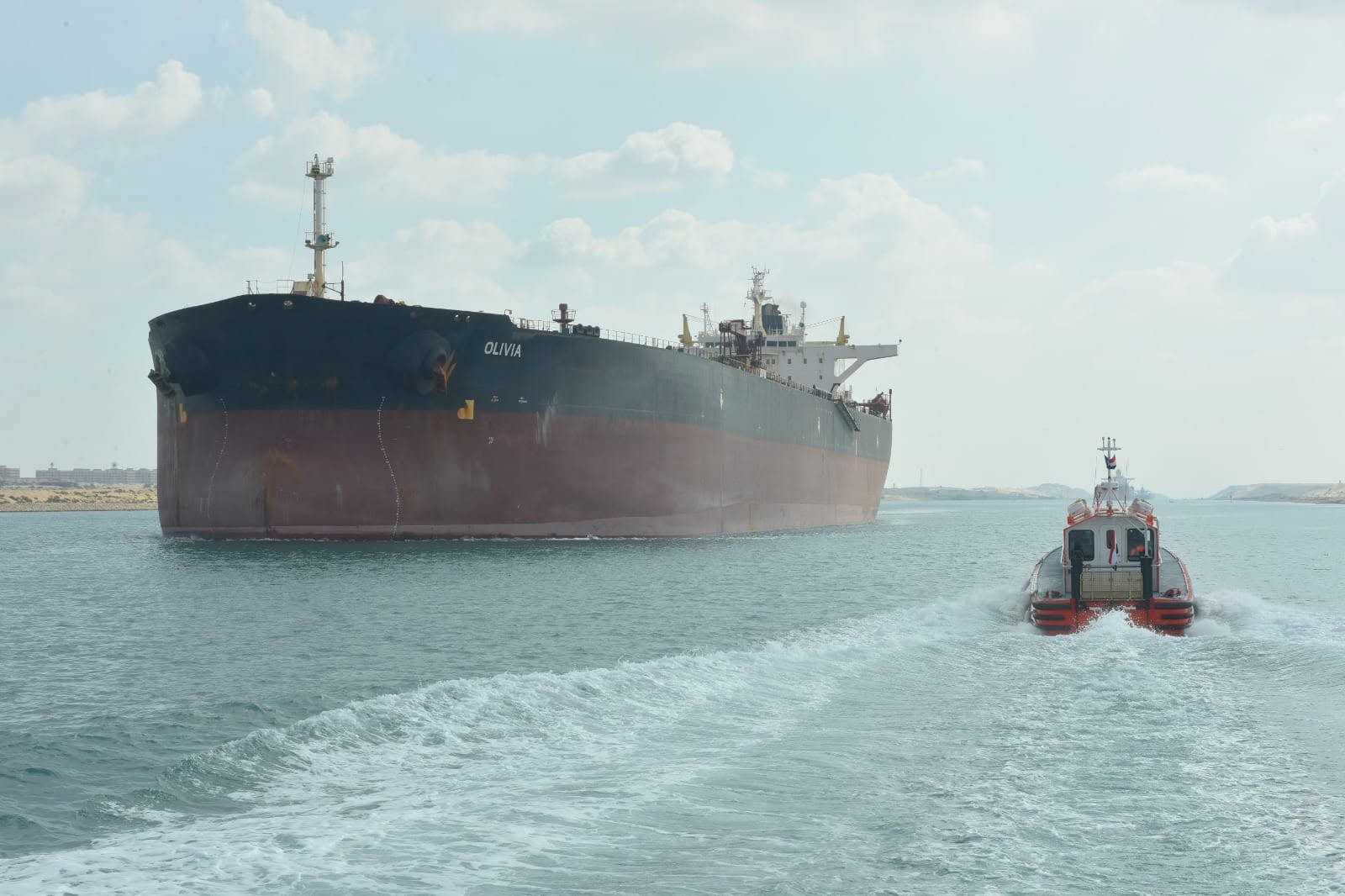
The maritime security situation is getting more complicated with more attacks and threats in the Strait of Hormuz, while the Suez Canal is gradually recovering in shipping activity. Recent figures show that a change in oil transport patterns and the return of some container services are restoring traffic through the Egyptian waterway.
Data published by Lloyd’s List on 3 November showed that October was the best month for Suez Canal traffic since vessels began re-routing around the Cape of Good Hope following the Red Sea crisis. But the recovery is not yet complete and security developments around Hormuz and Bab el-Mandeb continue to impact international shipping decisions.
Suez sees strongest monthly traffic since Red Sea crisis
The gross deadweight tonnage (DWT) of vessels passing through the Suez Canal in October reached 125.6 million tons, the highest monthly figure since diversions around the Cape of Good Hope began.
Nevertheless, it was 33% lower than levels seen in November 2023, before the Red Sea crisis disrupted shipping movements.
“Oil tankers were the biggest contributors to the rise. Crude oil carrier tonnage was 47.13 million DWT, above the pre-crisis monthly average of 44.35 million DWT.
The growth is indicative of two key developments, says Lloyd's List - rising Russian oil movements and the growing use of the Red Sea port of Yanbu in Saudi Arabia as an alternative export and shipping route due to problems that have plagued navigation in the Persian Gulf.
The recovery is therefore not just down to better maritime security. Changes in world oil flows are also sending ships to the Suez Canal, and the gradual return of container ships is contributing to the overall increase in traffic.
Another important detail is the nature of tanker traffic. Russian oil flows have also featured prominently in the evolving maritime scene, with vessels under sanctions accounting for 37.7% of transits by large crude oil tankers, according to Lloyd’s List.
Attacks in the Strait of Hormuz raise new security concerns
Suez is making money from changing trade patterns, but the security situation in the Strait of Hormuz is particularly worrying.
We continue to receive reports of attacks on commercial shipping in the area. Iran’s Revolutionary Guard said this week it destroyed four oil tankers that hit naval mines along a route south of the Strait. They also announced the seizure of two other ships.
The claims could not be independently verified, Reuters reported. Iranian officials have not released the names of the ships involved in the incident.
There is also a separate incident with the tanker Grit.
On Nov. 3, the Barbados-flagged very large crude carrier (VLCC) was struck by two projectiles in its engine room, about 14 nautical miles northeast of Limah, in Omani waters.
The incident was reported to the UK Maritime Trade Operations (UKMTO). The original report did not include any casualties or environmental impact, but the condition of the vessel and the full extent of the damage remain to be determined.
The Grit attack was the fifth confirmed incident in the first three days of November, Seatrade Maritime reported. The sequence of events keeps operational risks high for shipping companies using the Strait of Hormuz.
Traffic rises in Hormuz but security worsens
The picture of vessel movements through Hormuz is more complicated than the security situation alone would indicate.
The number of passages through the Strait in October was the highest level in a month since July, data from S&P Global Commodities at Sea showed.
Growth was mainly driven by bulk carriers and LNG vessels, although fewer large oil tankers were calling.
The rise in traffic has been accompanied by a steep fall in maritime security. “The numbers were about 30 attacks in October,” said Arsenio Dominguez, Secretary-General of the International Maritime Organization.
Such developments illustrate the difficult trading environment for shipowners and operators. Commercial movements have continued, and in some cases increased, but the security risks associated with them have become more pronounced.
Suez recovery continues but remains below pre-crisis levels
The latest weekly numbers also show more traffic through the Egyptian canal.
Data from Lloyd's List Intelligence shows that 305 vessels passed through Suez in the week 19-25 October, up 35% from the average weekly figure seen in October 2025.
But in terms of tonnage, traffic was still 36% down on levels recorded before the Houthi crisis.
Container shipping has also improved remarkably. In the four-week period covered by the report published on 29 October, 281 container ships passed through the Suez Canal with a combined capacity of around three million TEU.
This was more than double the volume in August, indicating some container services are incrementally returning to the route.
But the recovery is partial and total traffic is still a long way off from previous levels.
The Bab el-Mandeb remains a critical vulnerability for regional connectivity.
The situation is more complex around the Bab el-Mandeb Strait, where the ongoing threat to commercial shipping and restrictions on traffic to ports in Saudi Arabia make it harder to connect the Indian Ocean and the Red Sea by sea.
This instability continues to inform decisions on vessel routing and the wider organization of global supply chains.
The unfolding events around Hormuz, Bab el-Mandeb and Suez show shipping companies how fast geopolitical tensions can rearrange established maritime routes.
The October numbers are good for the Suez Canal, especially for the tanker and container businesses. But the traffic surge should not be seen as a return to normal.
The future recovery of maritime trade will hinge on commercial demand and route availability as well as the ability to ensure safe and reliable passage through some of the world’s most strategically important shipping corridors, as security risks remain high in the key waterways of the Middle East.
END OF REPORT