Maritime Nov 6, 2026
Trieste Court Suspends Port Authority Order to Relocate DFDS Ro-Ro Operations
The regional administrative court has halted the temporary transfer of two weekly DFDS calls from HHLA PLT Italy to Riva Traiana, citing concerns over competition, procedural fairness and the Port Authority's powers to impose unilateral operational changes.
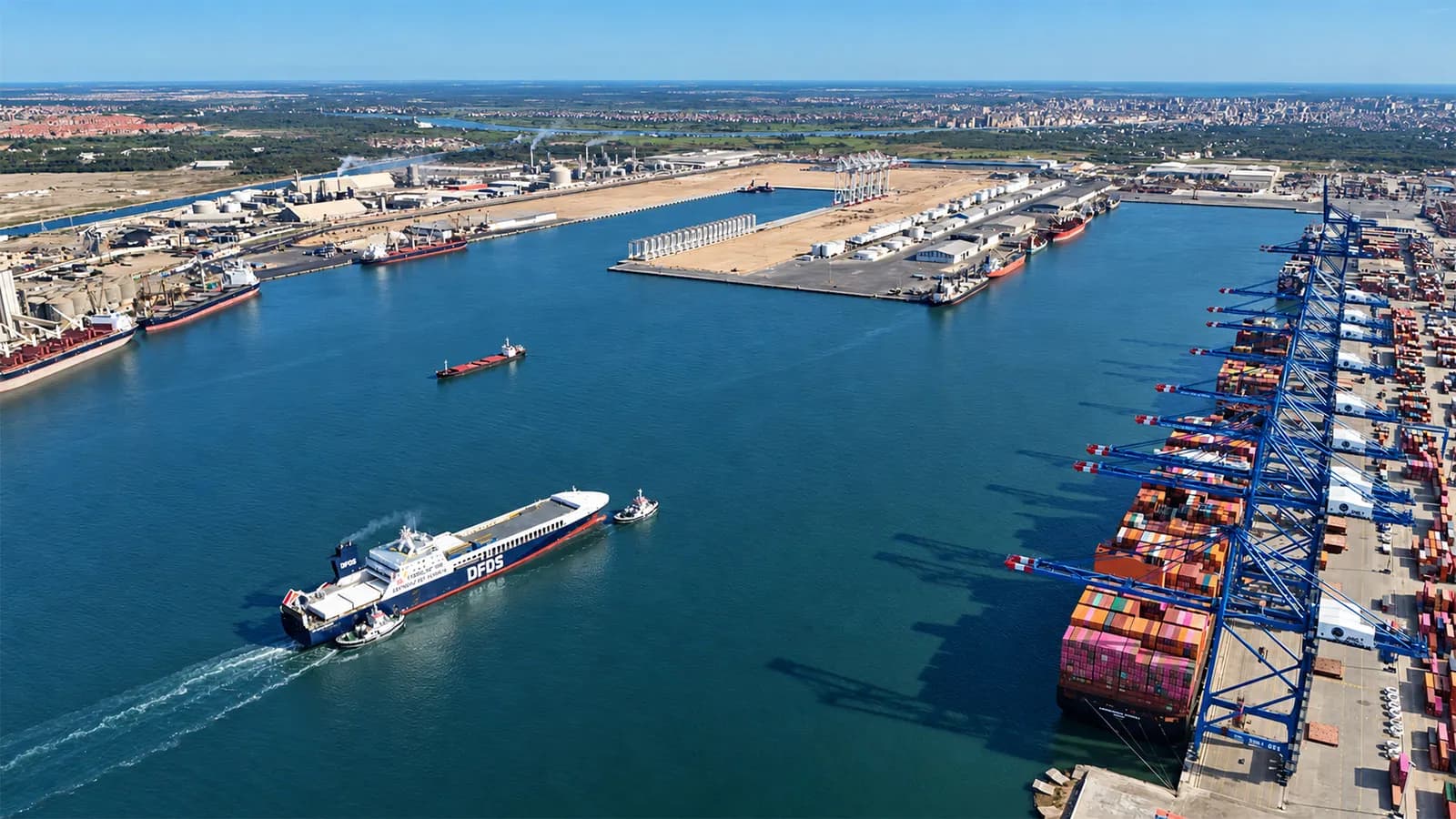
The Administrative Court (TAR) of Friuli Venezia Giulia has suspended the order of the Eastern Adriatic Sea Port Authority for the temporary reorganization of Ro-Ro operations in the Port of Trieste. The ruling prevents the planned transfer of two weekly DFDS calls from HHLA PLT Italy’s terminal in Riva Traiana for 12 weeks.
The ruling is a setback to the proposed operational reorganization of the Port Authority and raises important questions about the administrative procedures and competitive implications surrounding the management of port activities.
In its order, signed by President Carlo Modica de Mohac de Grisi, the court pointed to a number of issues that should be further examined before the measures could be implemented.
DFDS disputes the procedure and its competitive effects
A major concern for the court is that DFDS was not notified about the initiation of the administrative procedure prior to the adoption of the decree. This prevented the company from making observations and explaining its position in the decision-making process.
The court also voiced concern over possible impact on competition between port operators. The preliminary assessment concluded that the implementation of the relocation could benefit some operators and disadvantage DFDS, the company challenging the measure, without adequate justification.
The judge also stressed the need to consider the impacts on commercial traffic and services already scheduled and marketed.
Another important issue is the legal authority of the Port Authority to impose such a major operational change by a single authority unilateral decision without adequate consultation with the concerned operators.
Urgent: Decree No. 24 blocked by legal challenge
The challenged measure was adopted by Decree No. 24 of 28 October 2026. It has established provisional and experimental rules for the management of the vehicle traffic directed to the Ro-Ro terminals of the port of Trieste.
Later, DFDS Denizcilik Ve Taşimacilik A.Ş. appealed the ruling, and filed an urgent application for the suspension of the ruling.
The TAR granted the request, considering the objections filed by the shipping company worthy of further examination and the prerequisites for precautionary intervention to be fulfilled.
The possible distortion of competition was examined in particular. The court observed that the implementation of the decree may confer advantages on certain port operators to the detriment of DFDS, a lack of balance which does not seem to be sufficiently justified by the reasons given for the measure.
Broader impacts on port operations & commercial services
The concerns of the court are not limited to the immediate relationship between DFDS and the Port Authority.
The proposed reorganization may impact services that have been previously planned and sold commercially and may involve the business activities of third parties.
The transfer, therefore, could have repercussions which affect more deeply the fabric of the port's operations, impacting existing links, commercial agreements and the organization of freight movements through Trieste.
The judgment therefore highlights the need to consider the wider commercial implications of changes to terminal operations, particularly where shipping lines and other market participants have already made operational and commercial arrangements on the basis of the current set-up.
Court challenges Port Authority's power to decide
Another significant element of the judgment is the institutional power of the decree.
The TAR finds that it is necessary to ascertain whether the Port Authority had the legal capacity to introduce measures of this kind by a unilateral decision of a single authority.
The issue raises broader questions as to how administrative powers should be exercised where decisions have an impact on the organization of port activities and the commercial interests of a number of economic operators.
The court also queried the existence of circumstances of extreme urgency which could have justified the adoption of the decree before affording the parties concerned the opportunity to participate in the procedure.
“If there was no situation that required immediate intervention, the Port Authority could have carried out the necessary administrative procedures to give the affected operators a chance to put their views forward,” the president said.
The judge also found no compelling reason why the administration could not have waited until the first collegial hearing to implement the measures.
Suspension remains in place until hearing on Dec. 2
Decree No. 24 will be suspended until 2 December 2026, when the TAR will collegially reexamine the case.
The ruling is interim and not a final determination on the legality of the Port Authority's decision.
But the court's early findings have shone a strong spotlight on the proposed reorganization. The case raises broader questions than the immediate implications for DFDS, on competitive balance, administrative decision-making and the protection of existing commercial operations in the Port of Trieste.
The outcome of the December hearing will be key in determining the next steps in the dispute and the future arrangements for the port’s Ro-Ro activities.
END OF REPORT