



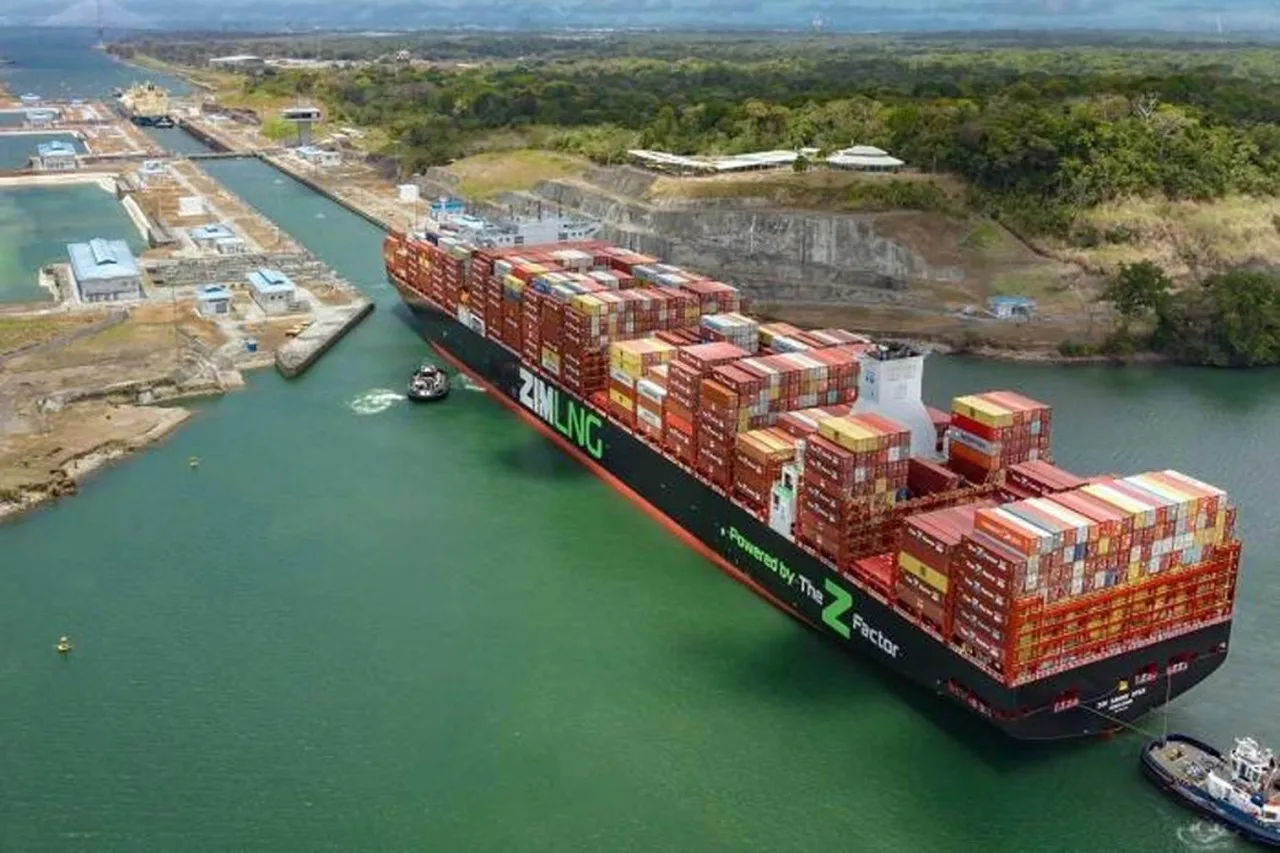
The Panama Canal Authority (ACP) is set to increase both vessel draught allowances and the number of daily transits through the Panama Canal, providing some relief for shipping and supply chains after improved rainfall conditions.
In recent months, the ACP had been forced to implement a series of reductions in vessel draughts and daily transits as rainfall levels in Panama were affected by a powerful El Niño event. At the same time, disruption linked to the conflict in the Middle East and congestion at major East Asian ports increased concerns over potential disruption at the Panama Canal.
Those concerns had contributed to intense competition for available transit slots, with auction prices reaching a record $5.3 million for a single passage through the canal in August.
The situation is now showing signs of improvement.
According to an Advisory to Shipping issued by the Panama Canal Authority, the number of daily transits through the Neo-panamax locks will rise to 10 starting October 15, 2026. Combined with the Panamax locks, this will bring the total number of daily available slots to 33.
The increase is based on current and projected water levels in Gatun Lake.
The canal had previously reduced its daily transit capacity to 34 vessels on September 3 and then lowered it again to 32 from September 15. Under normal circumstances, the waterway linking the Pacific and Atlantic Oceans can accommodate a maximum of 38 daily transits.
Neo-panamax draught limit also increased
The ACP is also raising the maximum authorised draught for vessels using the Neo-panamax locks.
The decision comes after a planned reduction in the maximum draught for October 1 was suspended earlier in September.
The authority said Panama has experienced abundant rainfall and that precipitation in the Canal watershed has remained close to average. Combined with water-saving measures that have been effectively implemented at the locks, the improved conditions have allowed the ACP to increase the authorised draught.
Effective immediately and until further notice, vessels transiting the Neo-panamax locks will be permitted to operate at a maximum draught of 14.94 metres (49.0 feet).
Despite the improvement, the ACP stressed that the water deficit in the Canal watershed has not yet been completely resolved.
As a result, the Transit Reservation, or Booking, System remains the only method capable of guaranteeing a specific transit date, according to the authority.
The ACP said it “remains committed to closely monitoring water conditions and rainfall levels and to communicating any further adjustments in a timely manner, as circumstances allow.”
The latest measures provide additional capacity for vessels using the canal, while reflecting the continuing importance of Gatun Lake levels and rainfall conditions to the waterway’s operating limits.