




A Texas couple has been sentenced for running an online business that used a cross-border supply chain to bring millions of dollars in unapproved veterinary drugs and pesticides from Mexico into the United States, before distributing the products to customers nationwide.
Thao Duong and Lam Mai, a married couple from Garland, Texas, were sentenced Sept. 8 in federal court over their roles in the operation, according to the U.S. Department of Justice.
Duong was sentenced to three months in prison, followed by two years of supervised release, and ordered to forfeit more than $1.5 million. Mai received a sentence of two years’ probation.
According to court filings and evidence presented by prosecutors, the operation combined cross-border smuggling, storage facilities located near the U.S.-Mexico border, domestic freight and parcel shipping, and online sales to move the products from Mexico to buyers across the country.
Duong began selling animal-care products through several online platforms around 2011. Her customer base primarily included people involved in rooster fighting ventures. She was not a veterinarian and did not require buyers to provide veterinary prescriptions when purchasing veterinary drugs.
The products included Cipio Vet, Baytril Max and Caterrol. The drugs were manufactured in Mexico but had not been approved by the Food and Drug Administration for use in the United States.
In 2017, Duong expanded the business to include the pesticides Taktic and Bovitraz. Neither product was registered with the Environmental Protection Agency for sale or use in the U.S., making their domestic sale illegal.
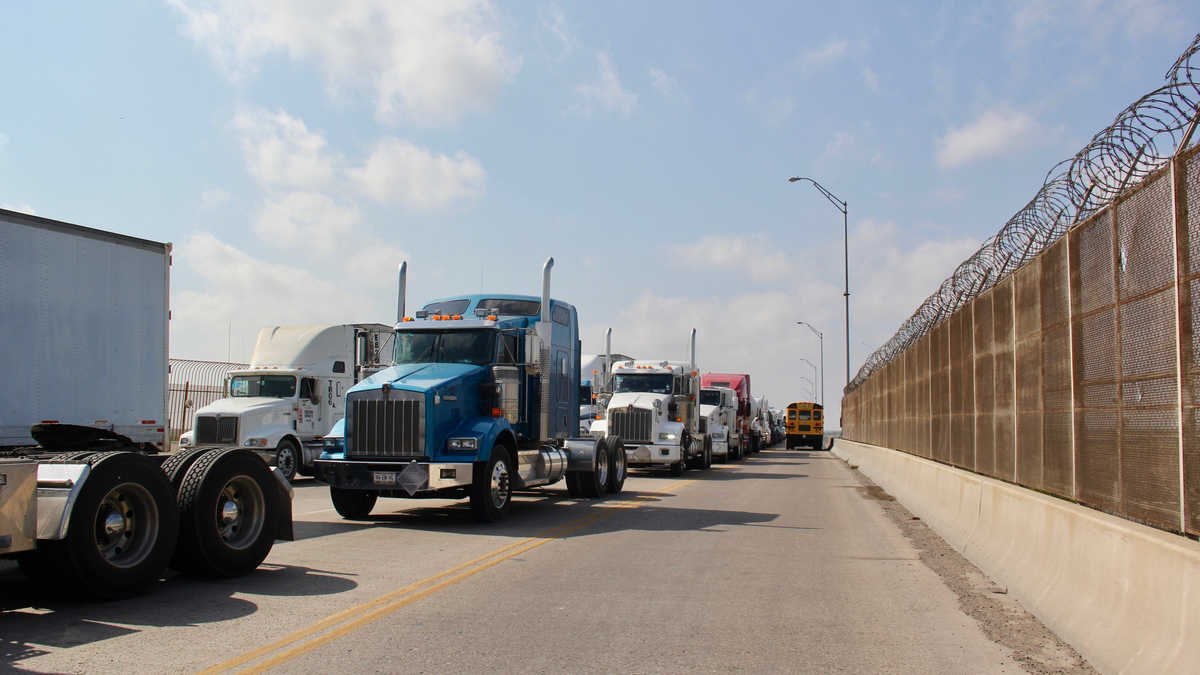
Smuggled through Calexico before reaching Texas
The operation took another step in 2018, when Duong launched a website that became its main sales and distribution channel.
Prosecutors said Duong subsequently reached agreements with several co-conspirators to obtain veterinary drugs and pesticides that she knew had been illegally smuggled into the United States from Mexico.
The merchandise entered the country through the Calexico port of entry in California, according to the DOJ. Once across the border, the pesticides and veterinary drugs were placed in storage units located near the border.
The products were then shipped by Duong’s co-conspirators from California to Texas, adding another domestic transportation leg to the illicit supply chain.
Between 2018 and 2022, prosecutors said Duong acquired approximately $2.4 million worth of smuggled merchandise from those co-conspirators.
Mai handled the shipping side of the website’s operation.
After customers submitted orders, Mai packaged the pesticides and veterinary drugs and sent them to buyers throughout the country using the U.S. Postal Service and other shipping companies, prosecutors said.
The investigation involved the EPA and FDA, with assistance from Homeland Security Investigations and the U.S. Postal Inspection Service.
Federal authorities said the pesticides posed potential risks to both the environment and public health. Taktic and Bovitraz contain amitraz, a substance the EPA says is toxic to bees and can expose humans when it contaminates honey, honeycomb or beeswax.
Improper use of products containing amitraz in beehives can lead to human exposure associated with neurological and potentially reproductive effects. In animals, documented signs of neurotoxicity include central nervous system depression, a reduced pulse rate and hypothermia.
“No one should profit from bringing illegal chemicals into the United States and poisoning American communities,” said Jeffrey A. Hall, assistant administrator for EPA’s Office of Enforcement and Compliance Assurance.
Why it matters
The case illustrates how an illicit cross-border supply chain can combine border entry points, storage facilities, domestic transportation, parcel delivery and e-commerce to move prohibited products from Mexico into markets across the United States.