Business Nov 12, 2026
Tractor Supply expands its delivery network through a partnership with Uber
The US rural lifestyle retailer is joining forces with Uber to provide on-demand delivery from nearly 2,500 stores nationwide, strengthening its last-mile capabilities as demand for faster e-commerce services continues to grow.
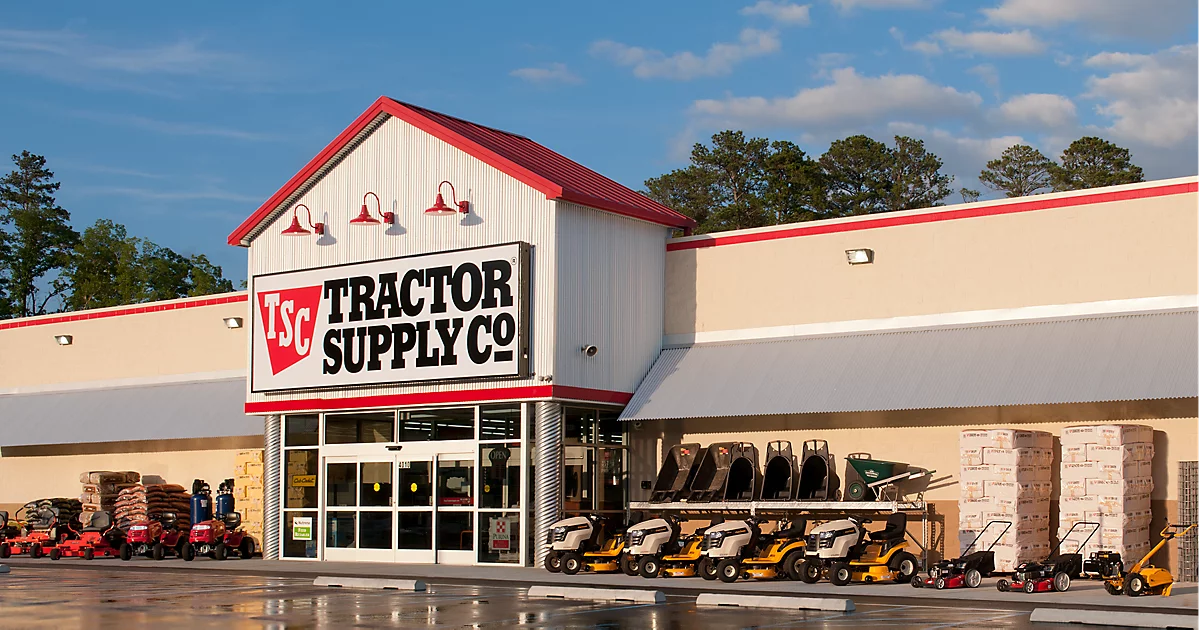
Tractor Supply Company is adding Uber to its delivery lineup. The new partnership will provide customers with access to faster same day delivery on online orders. The deal highlights the growing importance of on-demand logistics in retail, where speed and convenience are increasingly important competitive advantages.
Customers will be able to order products from about 2,500 Tractor Supply locations in the U.S. through the Uber, Uber Eats and Postmates apps, according to the partnership announced Thursday. Uber has a network of drivers who deliver purchases to customers’ homes.
Tractor Supply Company is based in Brentwood, Tennessee, and has 2,463 stores in 49 states and 209 Petsense stores in 23 states. Its retail network serves customers for pet food and supplies, livestock feed, agricultural and ranch equipment, gardening products, tools and hardware. Its stores are mostly in rural, suburban and exurban areas.
The retailer said the addition of Uber’s delivery network to its operations will help make it easier for customers to buy everyday items and products for weekend projects. That also gives Uber users another way to learn about Tractor Supply’s products.
“Millions of Uber users now have a new way to discover Tractor Supply and customers can now access the products they depend on through Uber with the speed of on-demand delivery. “It enables us to extend our reach and offer customers even more choice in how they shop with us,” Tractor Supply president of digital and e-commerce Matthew Rubin said in a press release.
To celebrate the launch, starting Thursday, customers can get $20 off Tractor Supply orders of $60 or more.
A broader strategy to speed up store-to-door delivery
The move follows Tractor Supply’s previous efforts to enhance its digital fulfilment capabilities. Last summer, the company partnered with Instacart, later acquired by DoorDash, to deliver purchases from its stores to customers' homes in sometimes as little as an hour.
The move also fits into a broader trend in the home improvement and retail industries, where established chains are using third-party delivery platforms and their existing store networks to speed up fulfilment.
Similar actions have been taken by several major retailers in recent months:
In April, Ace Hardware selected Uber Eats to provide last-mile delivery services.
In August, Home Depot announced it would begin offering nationwide express delivery from local stores via a variety of third-party delivery and ride-sharing platforms.
Lowe’s is trying out drone deliveries through DoorDash.
These examples demonstrate how traditional retailers are modifying their distribution models to satisfy the demand for faster order fulfilment.
Why faster delivery is a competitive must-have
The growth of on-demand delivery has been spurred by the mounting pressure on retailers to meet customer demands and compete with the large online marketplaces, particularly Amazon.
“Fast delivery at the online checkout can prompt more frequent purchases among certain segments of customers,” say industry sources. It may also help retailers to attract new customers by reducing the time between ordering and receiving goods.
The race to speed up fulfilment is also pushing beyond traditional delivery networks. Walmart said this week it would start drone deliveries from about 600 stores in the United States, working with drone operators Wing and Zipline.
With retailers looking at new delivery partnerships and technologies, the ability to combine physical store networks with flexible last mile solutions is becoming an ever more important part of their e-commerce strategies. Tractor Supply’s partnership with Uber is just one example of how established retailers are retooling their logistics operations to focus on speed, accessibility and customer convenience.
END OF REPORT