Maritime Nov 5, 2026
U.S. Trade Groups Call for Permanent End to Fees Targeting China-Linked Vessels
More than 250 industry organizations are urging the U.S. Trade Representative to abandon Section 301 vessel fees, warning that their reintroduction would increase shipping costs and add pressure to an already strained transportation system.
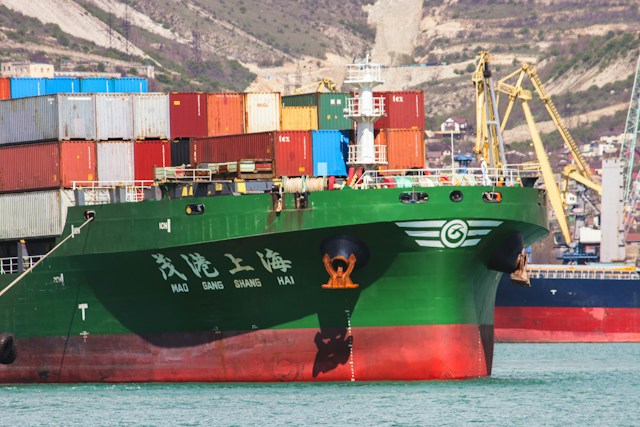
U.S. trade groups and groups representing retailers, manufacturers and importers are urging the U.S. Trade Representative (USTR) to permanently waive port fees imposed on ships built in China or linked to Chinese interests. More than 250 industry stakeholders wrote to USTR Jamieson Greer on Oct. 30, stating that the charges, if reinstated, would impose an additional financial burden on American supply chains.
The request is for a one-year freeze on the Section 301 tariffs. The suspension now runs through Nov. 9. Last month, the USTR proposed extending the suspension until Jan. 9, 2027, and invited public comments on the proposal, with a deadline of Oct. 30 for submissions.
Suspended charges range from $18 a ton to $120 a container. The measures were part of a wider policy aimed at encouraging owners of vessels to order ships built in the United States and strengthening domestic shipbuilding. The program provides incentives for owners to build new vessels in the U.S., which could come with a tax break of up to three years.
In a letter to Greer, industry representatives warned the proposed fees, set to start in January 2027, would further burden an already stressed transportation network. They said Chinese-built ships make up a large share of the world's ocean shipping capacity, so the economic fallout would not be limited to a handful of shipping companies.
More than 250 signatories include the National Association of Manufacturers, the National Retail Federation, the World Shipping Council and the U.S. Dairy Export Council.
In addition to the direct financial impact, the measures would also create more uncertainty for owners of cargo, the organizations said. Shippers often have little control over the vessels that carry their goods, how those vessels are built or owned or how they are operated, leaving them vulnerable to extra charges they can’t easily manage.
The appeal comes at a time costs in the maritime transport sector remain under pressure. The high transpacific freight rates which have prevailed during the year are due to the disruption of the war in Iran and changes in tariff policies. These developments have been forcing shippers to break established shipping patterns and rethink established transport strategies. Higher diesel prices are also pushing up transportation costs across supply chains.
The groups are also asking whether vessel fees are the right way to bring back the U.S. shipbuilding industry. The suspension period showed that simply bringing charges was not enough to counter China's dominance of the world shipbuilding market, the letter said.
There are a number of structural challenges that continue to negatively affect the competitiveness of U.S. shipyards. This includes a lack of domestic production capacity, workforce shortages and a lack of sufficiently competitive alternatives to Chinese-built vessels.”
For these reasons, the signatories call for an extension of the suspension or for a permanent termination. They say that keeping the pause in place would allow USTR more time to negotiate with China, coordinate with international allies and partners, and craft policies that can support U.S. shipbuilding and maritime capabilities.
They argue that such a strategy would allow Washington to tackle the structural weaknesses of the industry without increasing short-term costs to U.S. freight users.
END OF REPORT