Maritime Nov 5, 2026
US targets a fraudulent maritime network supporting Iran’s shadow fleet
Subheading: Washington imposes sanctions on two India-based individuals and several companies accused of providing false flag registrations and fraudulent certification services to vessels linked to Iran’s shadow fleet.
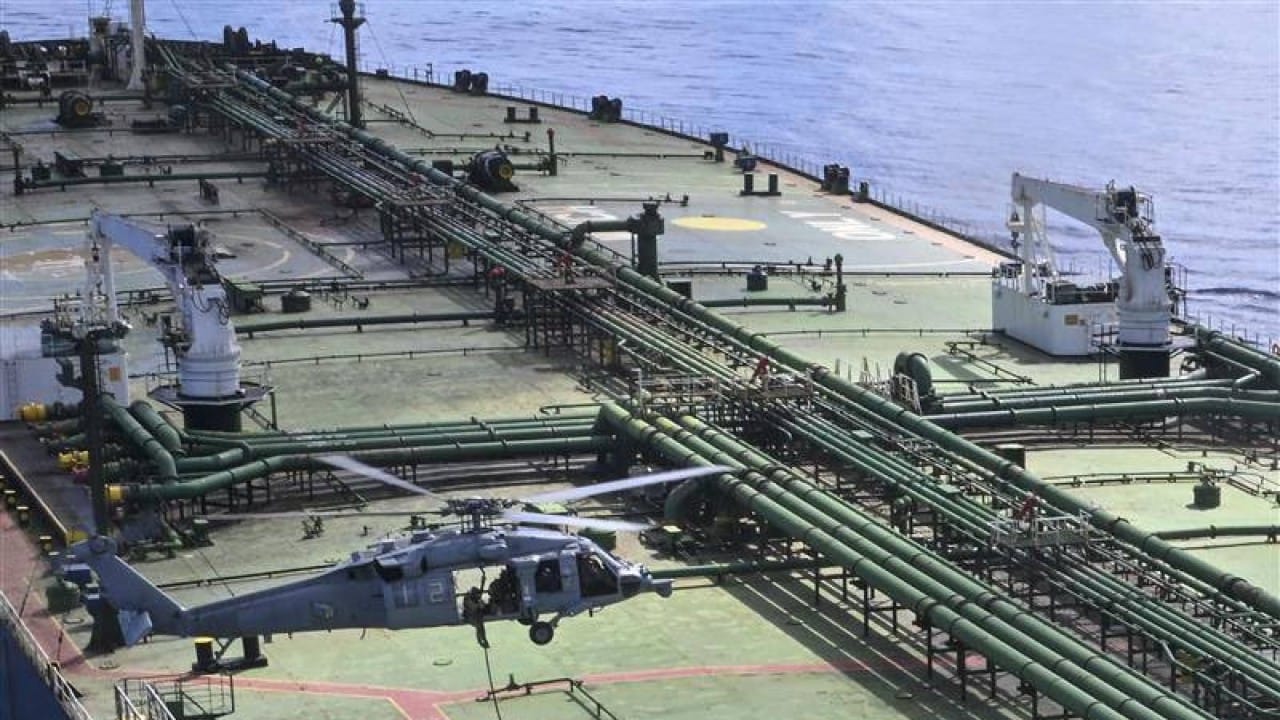
The United States has stepped up its action against the maritime networks helping Iran’s shadow fleet operate beyond the reach of international restrictions. Its latest sanctions target two India-based individuals, Suniel Kumar Sharma and his spouse, Jaspreet Preeti Shahid, accused of running a network that supplied fraudulent flag registrations and maritime certification services to vessels associated with Iran.
The measures were introduced under Operation Economic Outcast, the US initiative targeting maritime networks that support the Iranian government. The Treasury Department identified Sharma and Shahid as central figures in a scheme involving the creation of false flag registries and classification societies across several jurisdictions.
US authorities allege that the pair established entities claiming to represent countries across almost every continent, including Guyana, Eswatini and Laos. These arrangements allegedly enabled vessels belonging to Iran’s shadow fleet, including ships operating on behalf of the Iranian military and its proxies, to circumvent international restrictions.
Treasury Secretary Scott Bessent reiterated Washington’s position, warning that individuals and organisations continuing to support the Iranian regime would face sanctions regardless of the means used to provide that assistance.
“As we have said many times, under Operation Economic Outcast, you are either with us or against us,” Bessent said. “We know where you are, and we will sanction those who continue supporting the Iranian regime, whether by land, sea, or air.”
According to the Treasury Department, the network’s activities date back to 2014, when the individuals allegedly began impersonating Dominica’s maritime flagging authority. Their operations subsequently expanded through websites offering registration services under the names of several countries and territories.
These included Aruba, Guyana, Mali, Mozambique, Malawi, Sint Maarten and Timor-Leste. Many of the operations were not connected to officially registered companies, with the couple allegedly using online platforms to provide fraudulent registration documents for vessels operating within the dark fleet.
The US authorities also pointed to the tanker Majestic X as an example of the network’s activities. The vessel was carrying Iranian oil while sailing under a fraudulent Guyanese flag when it was seized by the United States on 22 April.
The latest sanctions also extend to several companies based in Singapore and India that Washington considers connected to the network.
Among the Singapore-based entities targeted are Eswatini Maritime Affairs and International Ship Registry Pte. Ltd. The latter allegedly continued providing flagging services despite having been disavowed by the authorities of Eswatini.
In India, sanctions have been imposed on Oceaniek Technologies India, which was allegedly used to establish fraudulent flag registries claiming links to Aruba, Nicaragua and Sint Maarten.
The US Treasury has also designated Aryavart Ship Management Private Limited, another India-based company identified as part of the network.
Through these measures, Washington is targeting not only the individuals allegedly behind the scheme but also the companies and registration structures accused of enabling Iran’s shadow fleet to continue operating under false maritime identities.
END OF REPORT