Business Nov 23, 2026
Union Pacific–Norfolk Southern merger gains union backing as shippers and competitors voice concerns
Four rail labor organizations support the proposed transcontinental rail combination, citing long-term employment guarantees and potential freight growth, while industry stakeholders question competition safeguards and raise concerns over possible retaliation against opponents.
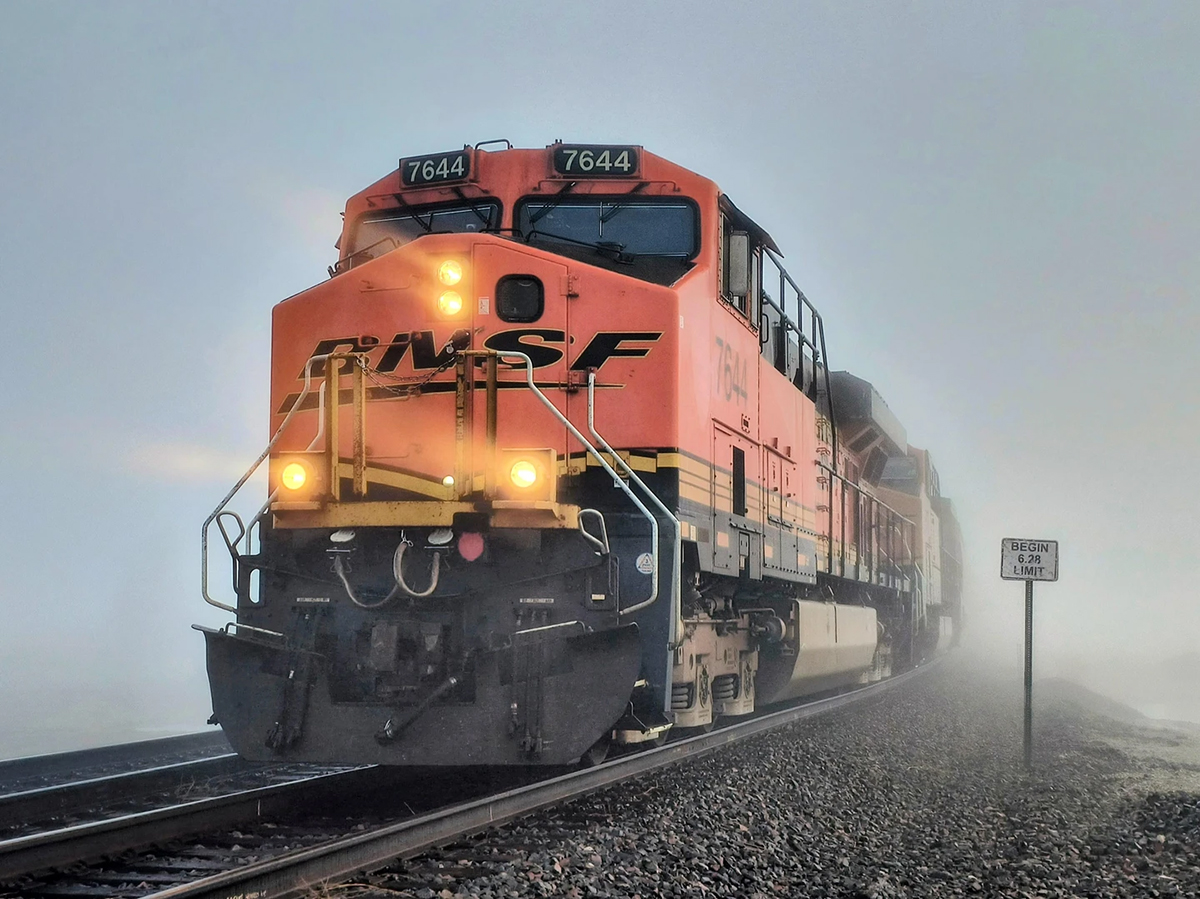
Union Pacific and Norfolk Southern are moving forward with their proposed merger and asking the Surface Transportation Board (STB) to continue its regulatory review despite opposition from Canadian Pacific Kansas City (CPKC). The most recent round of submissions has also highlighted a division among rail industry stakeholders, with four labor organizations supporting the deal while shippers and other market participants point to potential threats to competition and customer choice.
The deal, if it goes through, would combine the two U.S. rail operators to create what they say would be the nation’s first single-line, seamless coast-to-coast railroad. Its potential ramifications go beyond network integration and impact freight capacity, job security, service reliability and the competitive balance of the North American rail market.
As the Nov. 19 deadline for public comments approached, the debate heated up, with several stakeholders filing their positions with the STB.
CPKC (NYSE: CP), Union Pacific (NYSE: UNP) and Norfolk Southern (NYSE: NSC) released a joint response defending the review process which is still going on. Both companies said they welcome a robust, comprehensive and open regulatory review and urge interested parties to express their views directly to the regulator.
Union Pacific also publicly responded for the first time to controversial comments made by its Chief Executive Officer, Jim Vena, at a shippers’ conference. His comments had spooked people who interpreted them as a threat to hike rates for customers who opposed the proposed merger.
Vena admitted the controversy and said humor was part of his presentations to keep the audience engaged, including when he spoke at the Southwest Association of Rail Shippers conference last March.
He said the presentation lasted more than 50 minutes and his attempt at humor came toward the end. Vena said he understood what he had said but was sorry about how his comments were interpreted and apologized to anyone who misunderstood his remarks.
The transaction has the backing of four rail labor groups
While some industry participants are still doubtful, the tentative merger has gained considerable backing from organized rail labor.
The SMART Transportation Division, the National Conference of Firemen and Oilers, the International Brotherhood of Boilermakers and SMART's Mechanical Division together filed comments asking the STB to approve the transaction.
A key part of their support is the jobs protection plan agreed with Union Pacific and Norfolk Southern. Both organizations have signed a so-called 'Jobs for Life' agreement which guaranties career-long employment commitments for the workers covered by the respective arrangements. These assurances remain subject to the terms of each agreement and contingent upon the merger being approved by regulators and completed.
Under the terms of the agreement for SMART-TD members, protections against involuntary furlough within their crafts, in accordance with applicable collective bargaining agreements and their current seniority districts, are provided. The other labor bodies have bargained for job protections appropriate to the particular workers they represent.
SMART-TD President Jeremy Ferguson said, “These agreements are the product of direct negotiations to give employees more certainty about their work lives.”
“Railroaders have been asked to carry the uncertainty while somebody else makes the decisions for generations,” Ferguson said. He said the bargaining process had resulted in binding commitments to protect their members.
The labor coalition is calling on regulators to make sure that these job guaranties are fully honored in the event the merger is approved. It also seeks to ensure effective oversight of safety and service standards and continued union participation throughout the implementation process.
Besides employment issues, organizations believe that merging the two networks would help boost rail’s position in the freight transportation industry. Rail could become a more attractive option to road transport with better connectivity, fewer delays at interchanges and greater reliability.
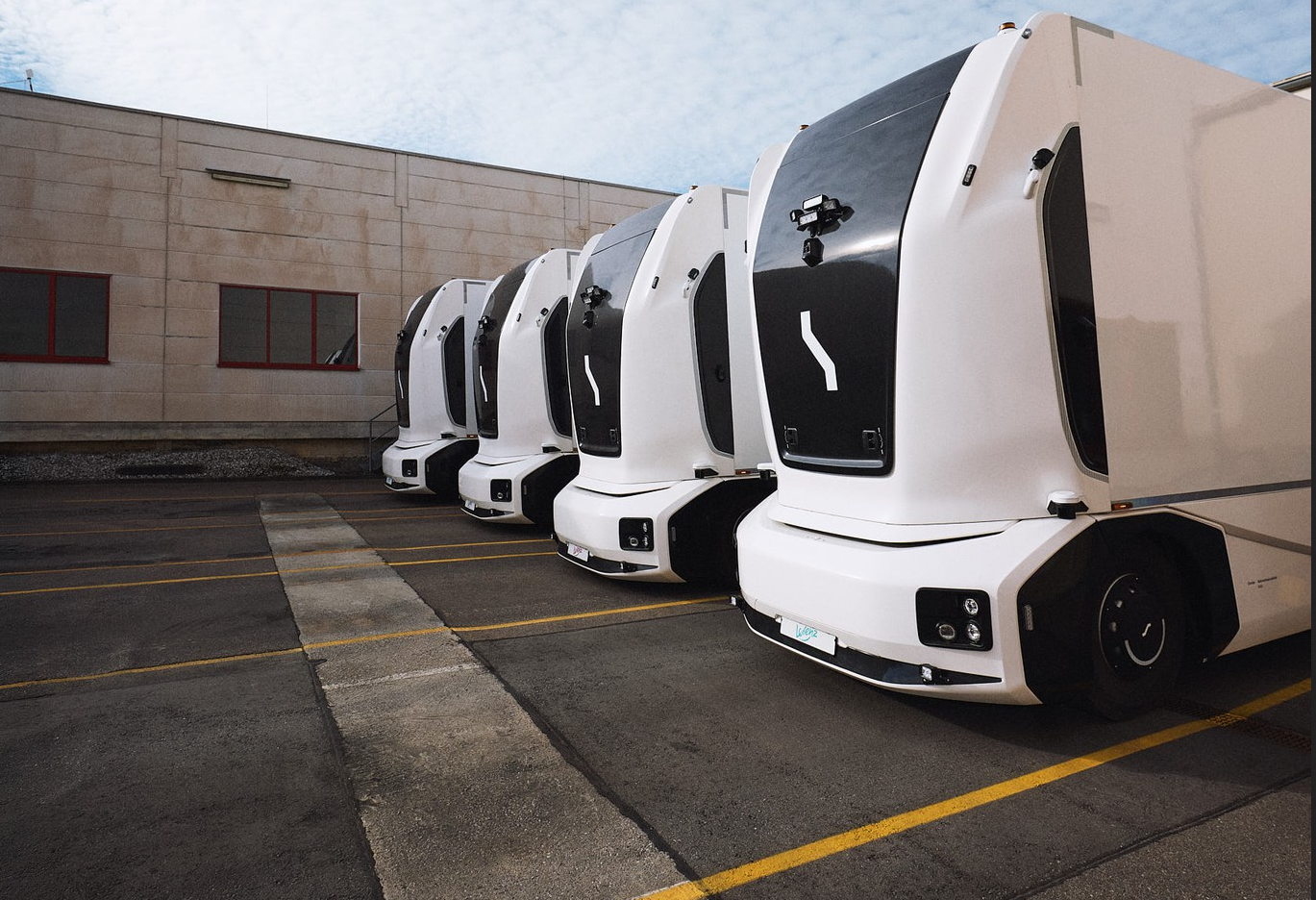
Some 2.1 million truckloads a year could be pulled from highways and put on rail by the combined network of Union Pacific and Norfolk Southern, the two railroads estimate.
The unions said that landing this additional freight would mean more jobs for railroad workers and help cut down on highway congestion and the number of heavy trucks on the road.
“Every shipment that is diverted to rail is an opportunity for the railroad workers to show what they’re made of,” said Michael Pistone, president of the National Conference of Firemen and Oilers. He also noted the need for a supply chain that could move growing volumes of freight safely and reliably.
Chemical industry questions the environment surrounding the review
Not all stakeholders share the optimism expressed by the labor organizations.
The American Chemistry Council has raised concerns about the circumstances surrounding the merger examination, arguing that the controversy goes beyond the transaction's scale and the regulatory standards being applied.
The council pointed specifically to fears that companies or industry participants expressing opposition could face retaliation.
In its comments, the organization described the application as different from previous merger proposals, citing both its magnitude and the new review standards, as well as what it characterized as a climate of uncertainty surrounding the ability of stakeholders to speak openly without potential consequences.
Its position highlights a broader question facing the STB: whether all interested parties can participate freely in the regulatory process, particularly when their commercial interests may be affected by the outcome.
Canadian National seeks stronger competitive access in the Midwest
Competitive access has also become a central issue in the merger debate, particularly following proposals submitted by Canadian National (CN), listed on the New York Stock Exchange under the ticker CNI.
CN has asked the STB to impose a series of conditions intended to preserve customer choice and expand its access to several strategically important Midwest markets. The proposals build on an agreement previously negotiated with Union Pacific.
The railway's requests cover four principal geographic areas:
Kansas City: CN is seeking to acquire Union Pacific's Kansas City–St. Louis rail line and obtain access to Neff Yard.
St. Louis and East St. Louis: The proposals aim to improve rail connectivity and access, including by providing shorter routes for certain freight movements.
Des Moines and Avon, Iowa: CN wants to preserve access to at least two Class I railroads for customers affected by the transaction.
Illinois: The proposed conditions are designed to protect existing rail competition and maintain customer choice.
These requests follow an agreement announced by CN and Union Pacific in July. At that time, the two companies confirmed that they had signed a binding memorandum of understanding covering competitive access, terminal railroad ownership and expanded operating rights across the Midwest.
The agreement is conditional on STB approval and the successful completion of the merger. As part of the arrangement, CN also committed not to oppose the transaction.
Under the proposed framework, CN would acquire Norfolk Southern's interests in two major terminal railway operations: Kansas City Terminal Railway and the Terminal Railroad Association of St. Louis. The agreement also provides for additional Midwest access rights and the use of Union Pacific's Neff Yard.
These arrangements are intended to preserve alternative freight-routing options and maintain competitive pressure in markets where the merger could otherwise alter the existing balance between rail operators.
Decision with major implications for North American freight
The Surface Transportation Board is expected to make a decision on the proposed merger of Union Pacific and Norfolk Southern in 2027.
In the meantime, the regulatory process will continue to weigh expected operational and economic benefits against concerns around competition, customer access, employment and the treatment of stakeholders who oppose the transaction.
If approved, the deal would be a major shakeup of freight transportation in North America, creating a coast-to-coast rail network and possibly pulling significant amounts of freight that now moves by truck.
But the real test for Union Pacific and Norfolk Southern will be whether they can deliver on the promised benefits of better connectivity, more reliable service and greater freight capacity without sacrificing competition or limiting shippers’ options.
Therefore, the result will affect not only the two companies and their employees, but also the entire logistics industry and the way freight transportation will be organized in the future across North America.
END OF REPORT