World Nov 12, 2026
US Extends Suspension of China-Related Port Fees Until January 2027
Washington and Beijing gain two additional months to negotiate maritime trade disputes as reciprocal port charges on vessels and tariffs on cargo-handling equipment remain temporarily suspended.
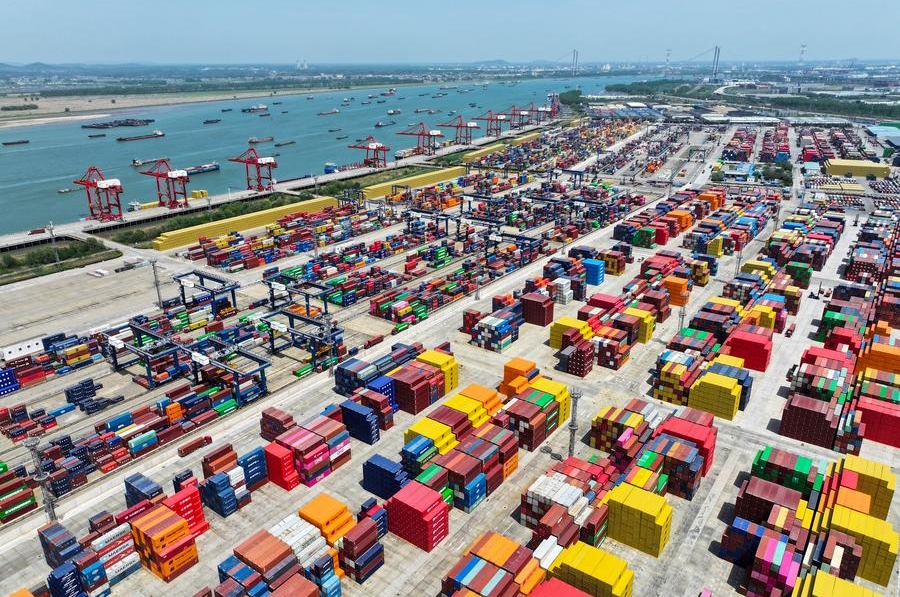
The United States has extended a suspension of fees on China-linked vessels for another two months, delaying potential reinstatement until January 9, 2027. WASHINGTON, March 20 (UPI) -- The United States said Tuesday it would delay a decision on imposing trade sanctions on China until June 30, giving Washington and Beijing more time to resolve differences over Beijing's maritime, logistics and shipbuilding policies.
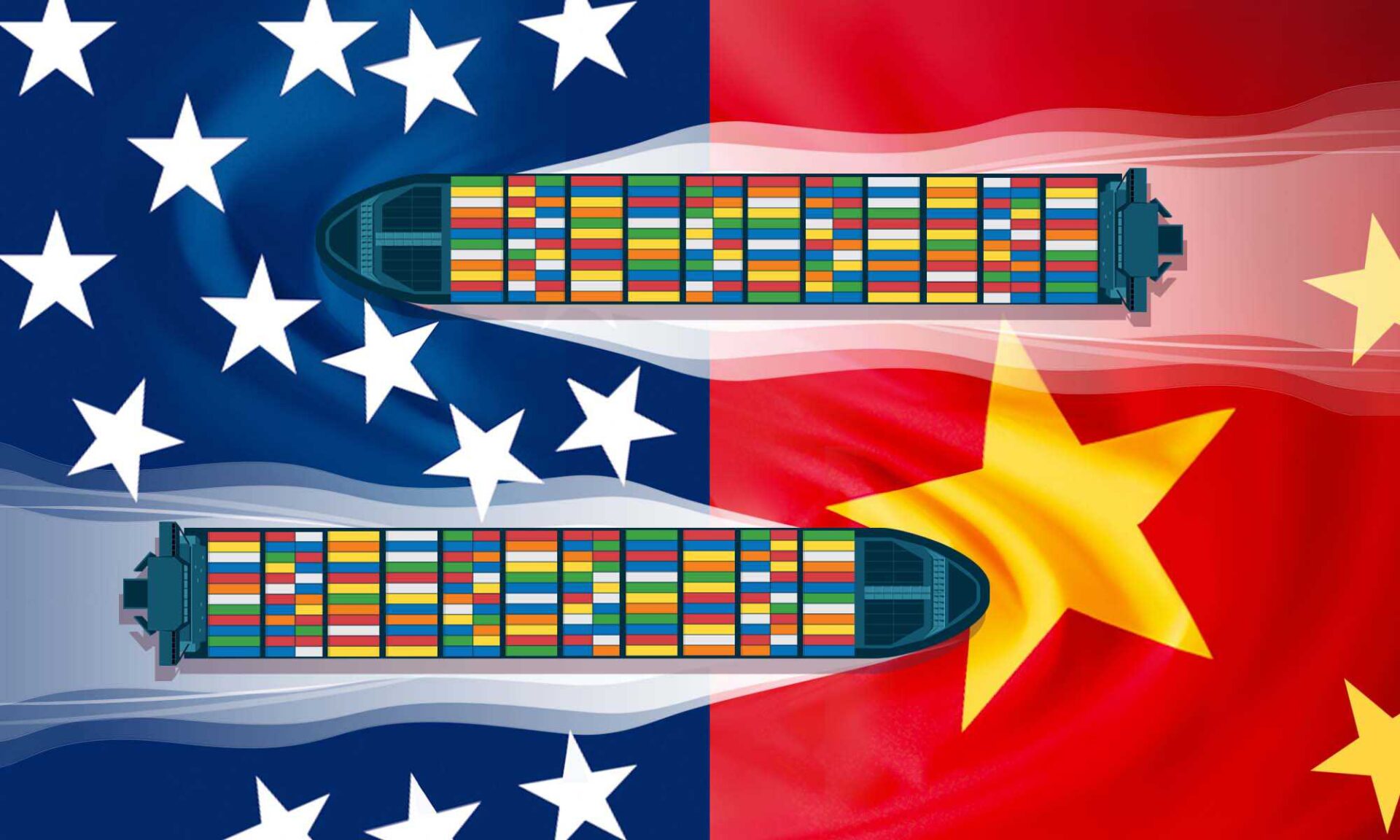
The extension, effective Nov. 9, will remain in effect until 11:59 p.m. Eastern time on Jan. 9, 2027, the Office of the United States Trade Representative (USTR) said. It follows an initial one-year suspension which began on November 10, 2025 under a trade deal announced by US President Donald Trump and Chinese President Xi Jinping.
The latest decision also keeps in place the suspension of additional duties on Chinese ship-to-shore cranes and other cargo-handling equipment that had been subject to the USTR’s measures.
At the same time, Beijing has also extended the suspension of reciprocal port fees for US-related vessels until Jan 10, 2027, on the Chinese side.
The USTR said the conditions that justified the initial suspension have not changed and further discussions with China are needed before the United States decides its next steps.
Possible charges in the millions of dollars
For the shipping companies the financial consequences of the reintroduction of the suspended measures remain large. Under the old fee system, a single vessel call in a US port could incur charges running into millions of dollars.
For example, a vessel of 50,000 net tons would pay $2.5 million in fees under the proposed measures.
The charges stem from a US probe under Section 301 of the Trade Act of 1974. The investigation looked at China's push to gain control of the maritime, logistics and shipbuilding industries.
The suspended measures cover a range of ship classes including those owned or operated by Chinese entities, ships built in China and vehicle carriers built overseas.
Industry split on the future of the measures
The extension comes after differing views were expressed by industry stakeholders during consultations with the USTR.
Supporters of the suspension said the fees could raise shipping costs, cause commercial uncertainty and disrupt supply chains. They also said that keeping the measures on hold would give both governments more time to negotiate.
Some industry players even called for the permanent suspension of some fees. Re-filing the charges could damage trade flows and hurt U.S. exports, they warned.
Other stakeholders opposed lifting the suspension, arguing that the levies were a crucial tool to promote investment in domestic shipbuilding and related industries, particularly in the manufacturing of containers.
Some commentators also wanted to see a clearer separation between tariffs on cargo handling equipment and charges imposed on maritime services. Some urged the USTR to split the two categories and to lift the suspension on the equipment-related tariffs.
Washington stays focused on domestic shipbuilding
In extending the suspension, the US administration said it intended to continue addressing its concerns over China’s maritime and industrial policies.
The additional negotiating time will be used to continue talks with Beijing and to advance domestic efforts to boost the American commercial shipbuilding industry, USTR said.
Those efforts include expanding US shipbuilding capacity, developing a skilled maritime workforce and increasing cooperation with international allies.
Why it’s important
The extension removes the threat of significant additional port charges for shipping operators, albeit temporarily, and helps to limit the risk of further disruption to international trade. The consequences are not only for US and Chinese shipping companies, but also for global businesses, importers, exporters and shipowners whose operations rely on vessels built in China.
For the maritime industry, the two-month extension is short term financial and operational relief. The future of the suspended measures, however, remains subject to the result of talks between Washington and Beijing, leaving shipping stakeholders facing the prospect of prolonged uncertainty over the longer-term cost of doing business in the US market.
END OF REPORT