Tech Nov 18, 2026
US Foods expands warehouse automation plans with inventory-scanning robots across six additional sites
The food service distributor intends to launch new pilot programmes before the end of 2026, using autonomous robotics to improve inventory accuracy, warehouse productivity and operational efficiency.
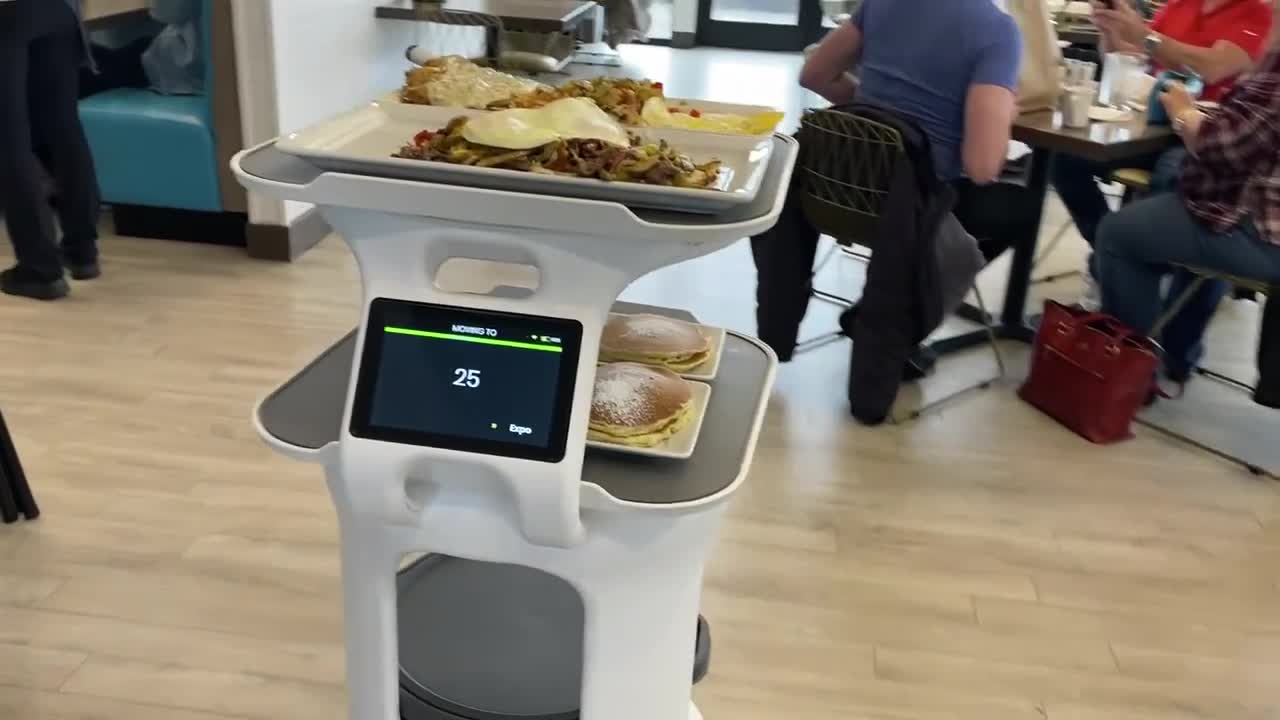
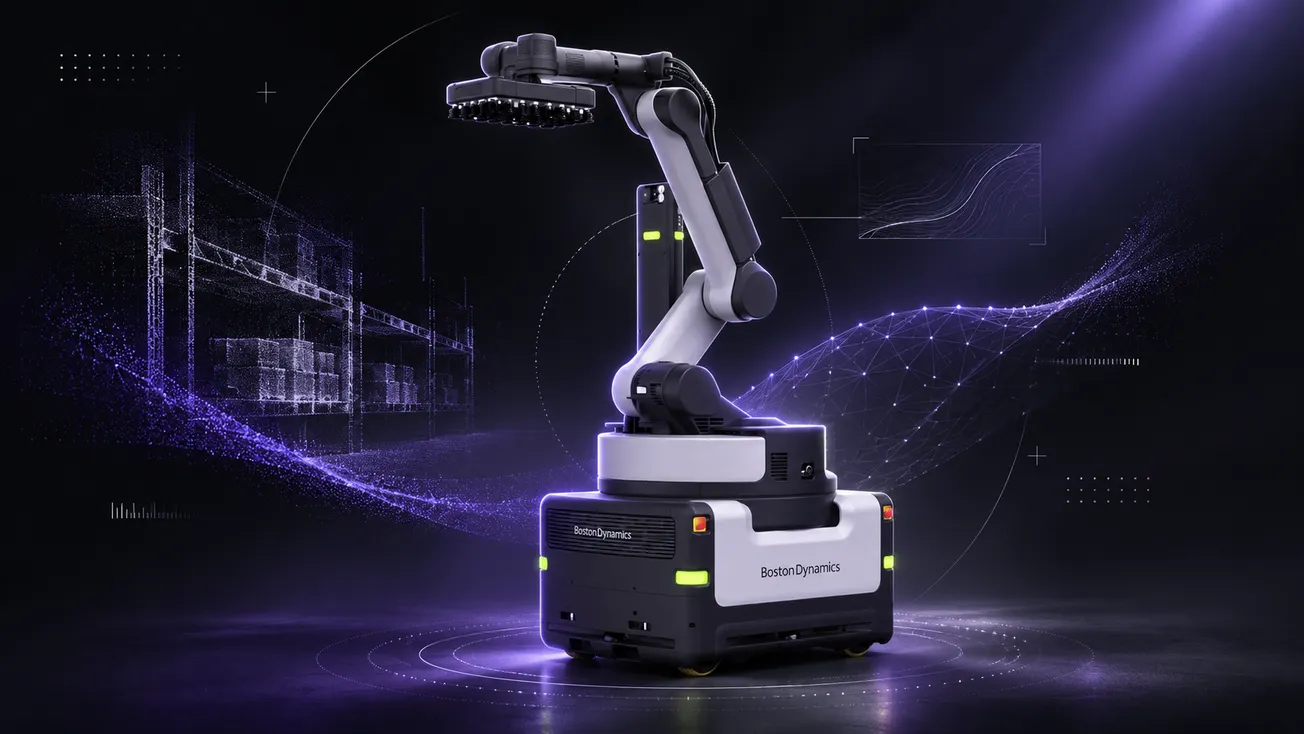
US Foods is gearing up to expand its use of autonomous inventory-scanning robots across its warehouse network, with six more facilities slated to pilot the technology by the end of 2026.
The move comes after an existing pilot at one of the distributor’s warehouses. During the company’s Nov. 5 earnings call, CEO David Flitman talked about the expansion, noting the technology can provide major inventory management benefits without a big investment.
The autonomous scanning system costs about the price of one employee’s salary, Flitman says, and provides exact inventory counts in 24 hours. The company could use this ability to improve stock visibility and reduce the time and resources needed for warehouse inventory checks.
US Foods is accelerating automation in other areas besides robotics. The company is also introducing automation technology at its facility in Aurora, Illinois, with another expansion in the works in Texas. According to a company document, US Foods has four facilities in the state.
The latest developments follow technology initiatives investors heard about on an August earnings call. Flitman said at the time that operational improvements throughout the warehouse network should bolster the company's competitive position, enhance productivity and support margin expansion over the longer term.
In the November call, he said US Foods was making strides in understanding how it could apply automation to its business. The company also plans to continue to capitalise on new opportunities as the technology matures and becomes more efficient for its business, he said.
Artificial intelligence is another crucial piece of the distributor’s supply chain strategy. US Foods already employs AI-based tools for route optimisation and to forecast demand volumes and workforce requirements, according to its second-quarter 2026 investor presentation.
The technology also enables product-level forecasting to help the company maintain service levels while improving working capital management.
US Foods’ investments are in line with a wider trend across the food distribution and manufacturing industries, as companies increasingly leverage artificial intelligence, robotics and digital solutions to improve supply chain performance.
United Natural Foods, Inc. (UNFI), a food wholesaler, planned to deploy an AI-powered supply chain planning platform across its entire distribution network by 2026. The initiative aims to improve planning capacities, and the coordination across its operations.
Food makers are also trying similar tactics. PepsiCo is testing artificial intelligence and digital twin technologies to simulate, validate and optimise changes to manufacturing plants and warehouse facilities before making physical changes.
Nestlé is meanwhile upgrading its enterprise resource planning (ERP) software to SAP S/4HANA Cloud to improve the efficiency of procurement, supply chain management and order fulfilment.
Hershey has also launched decision-intelligence software in an effort to increase productivity and reduce inventory levels.
The expansion of autonomous inventory scanning is another step in US Foods’ journey to a more technology-driven warehouse network. The distributor is using robotics combined with AI-driven forecasting and route optimisation to improve stock accuracy, streamline operations and boost its long-term margins.
END OF REPORT