World Nov 5, 2026
US Midterm Election Results Could Force Trump to Reconsider Iran War and Maritime Policies
Democrats’ decisive return to control of Congress raises questions over the White House’s room for manoeuvre on the Iran conflict, Strait of Hormuz security, Russian fuel imports, sanctions and shipping decarbonisation.
The Democrats’ sweeping victory in the US midterm elections could complicate the Trump administration’s policy agenda over the next two years, particularly on issues affecting maritime trade, energy markets and international shipping. However, the extent to which the electoral setback will translate into concrete policy changes remains uncertain.
Described by some as a “blue tsunami”, the Democratic comeback gives the party control of Congress and greater influence over federal spending. Voters reportedly delivered a strong rebuke to President Donald Trump, with opposition to the unpopular war in Iran emerging as a significant factor behind the Republican losses.
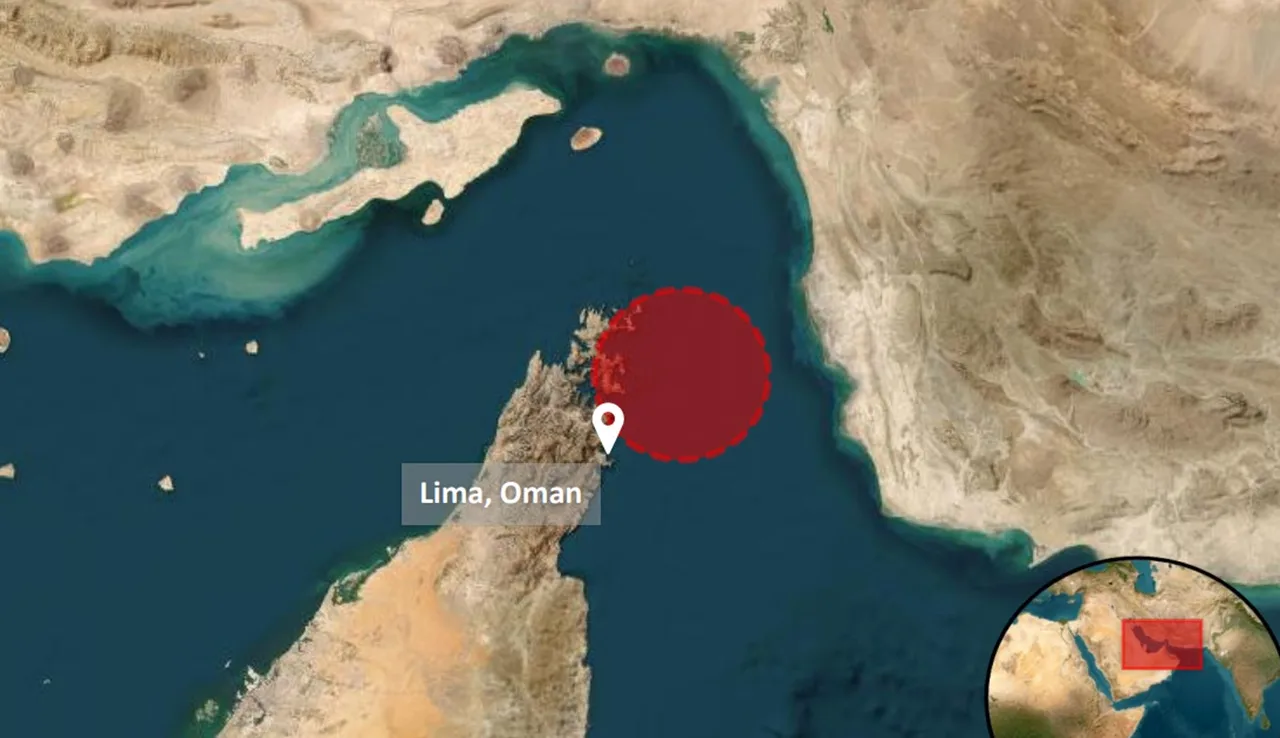
The results raise several questions for the maritime and energy sectors. These include the future of US military involvement in Iran, the reopening of the Strait of Hormuz, sanctions policy, energy imports and Washington’s position on shipping decarbonisation.
Trump himself acknowledged that the Iran war was “largely true” as a factor behind the Republican defeat. Vice President JD Vance went further, describing the conflict as “the reason we lost”. Before the elections, the growing deployment of US military assets to the Middle East had fuelled speculation about additional strikes against Iran. Analysts now believe the political cost of further military escalation has increased.
Congressional pressure could encourage a diplomatic solution in the Gulf
For Rystad Energy Chief Economist Claudio Galimberti, the Democrats’ victory changes the political calculations surrounding the conflict, even though it does not remove the president’s military powers.
“A Democratic sweep changes the political cost of continuing the Iran war. The White House keeps its discretionary powers over strikes, blockades and sanctions licenses. What changes, however, is the price of using them. With both chambers now capable of passing resolutions, holding back war funding and delaying confirmations, the administration faces a shorter political runway and greater institutional pressure to find a Hormuz deal. That is relevant for oil markets because a restoration of flows through the strait is what is ultimately needed for crude supply and product inventories to normalize,” Galimberti explained.
Rystad Energy notes that Trump retains his authority as Commander in Chief to order military operations. An outright congressional override of presidential military decisions remains highly unlikely. Nevertheless, both the House of Representatives and the Senate have several instruments available to increase pressure on the administration.
A unified Democratic Congress could pass resolutions, attach conditions to military funding and delay the confirmation of senior government officials. With the administration facing a less favourable legislative environment, the political and institutional incentives to negotiate an agreement over the Strait of Hormuz could become stronger than those supporting another round of military strikes.
For Rystad, restoring maritime traffic through the strategic waterway is essential to stabilising Middle Eastern crude supplies and allowing refined petroleum product inventories to return to normal levels.
Executive powers remain available, but legislation could become more difficult
Other industry analysts are more cautious about predicting a major change in the administration's direction.
Darron Wadey, an analyst at Dynamar, questioned how much influence the election results would actually have on policy implementation.
“As the Administration essentially sets executive branch policy, it can still pursue its desired paths, with that in mind, a lot will depend upon how the current administration reacts: will it continue as it has for the last two years, or compromise?” he asked.
Wadey recalled that former President Barack Obama faced a comparable political situation following the midterm elections during his second presidency, when Republicans controlled Congress. Despite that opposition, Obama continued implementing his agenda through executive orders, agency rulemaking and other discretionary presidential powers.
The real constraints emerge when an administration needs new legislation or congressional approval for public spending. Those measures depend directly on Congress, making them more difficult to secure when the legislative majority opposes the White House.
Russian diesel imports face political and legal scrutiny
One immediate area of potential tension concerns Trump's recently agreed arrangement to purchase Russian diesel in an effort to ease pressure on the cost of living.
According to Wadey, the initiative could encounter serious obstacles. The proposed imports had already attracted criticism despite the Republicans previously enjoying a more favourable congressional environment.
He highlighted disagreements between members of the executive and legislative branches over whether such purchases are legally permissible. While one side considers the imports lawful, others argue that they conflict with the Ending Importation of Russian Oil Act of 2022.
Martin Crawford-Brunt, founder of Lookout Maritime, was particularly dismissive of the initiative, describing the Russian diesel imports as a “PR stunt” involving extremely limited volumes.
He estimated the quantities at approximately 45,000 tonnes and suggested that the cargoes would most likely end up in South America rather than the United States.
Speaking to Seatrade Maritime News after travelling overnight from the US and arriving in the UK, Crawford-Brunt also questioned whether companies would be willing to participate in the operation.
Most of the businesses involved in transporting the fuel are publicly listed companies. In his view, they would have to be exceptionally willing to accept the risks associated with delivering Russian diesel to the American market.
US legislation already imposes sanctions on Russian oil products, potentially exposing companies involved in importing them to criminal prosecution.
“You can’t dip in and out of sanctions,” Crawford-Brunt warned, adding: “Who would take the reputational risk for one cargo? You’d be nuts to take it”.
IMO decarbonisation ambitions face an uncertain US position
The election results could also have implications for international shipping's climate agenda, particularly the International Maritime Organization's (IMO) proposed Net-Zero Framework.
Crawford-Brunt suggested that Trump might avoid repeating the confrontational tactics used last year, when the US threatened other countries over their support for the IMO's climate ambitions. Nevertheless, he believes the economic environment will make the adoption of measures that increase costs particularly difficult.
“Anything that increases costs will be difficult to pass, it’s just not palatable right now,” he said.
Environmental organisations in the United States, however, strongly disagree with the administration's approach.
Jamie Yates, Climate and Renewable Energy Manager at Pacific Environment, argued that American voters were rejecting energy policies that could increase household expenses while worsening the consequences of climate change.
“US voters are rejecting backward energy policies that drove up household costs and undoubtedly accelerated the effects of climate disasters,” Yates said.
Pacific Environment has accused the Trump administration of repeatedly attempting to undermine the IMO's climate objectives.
Yates called on IMO member states to resist further delays and proceed with the formal adoption of the Net-Zero Framework.
“To reject delay tactics and formally adopt the Net-Zero Framework. The world has already lost a year in climate action from shipping; it cannot afford another,” she urged.
A new political balance with consequences beyond Washington
Although the Democrats' return to congressional power does not automatically mean a reversal of Trump's executive policies, the new political balance could make decisions on military spending, energy imports and international maritime regulation considerably more contentious.
For shipping and energy markets, much will depend on whether the administration chooses confrontation or compromise. The future of the Strait of Hormuz, the legal and commercial risks surrounding Russian fuel imports, and the IMO's decarbonisation framework will be among the key issues to watch as the United States enters the next two years of divided political decision-making.
END OF REPORT