Maritime Nov 3, 2026
Yangzijiang Maritime expands newbuild programme with 11 additional vessels
The latest contracts cover four bulk carriers and seven LR2 product tankers, bringing the Group’s overall newbuild portfolio, including options, to 111 vessels, with deliveries scheduled for 2029 and 2030.
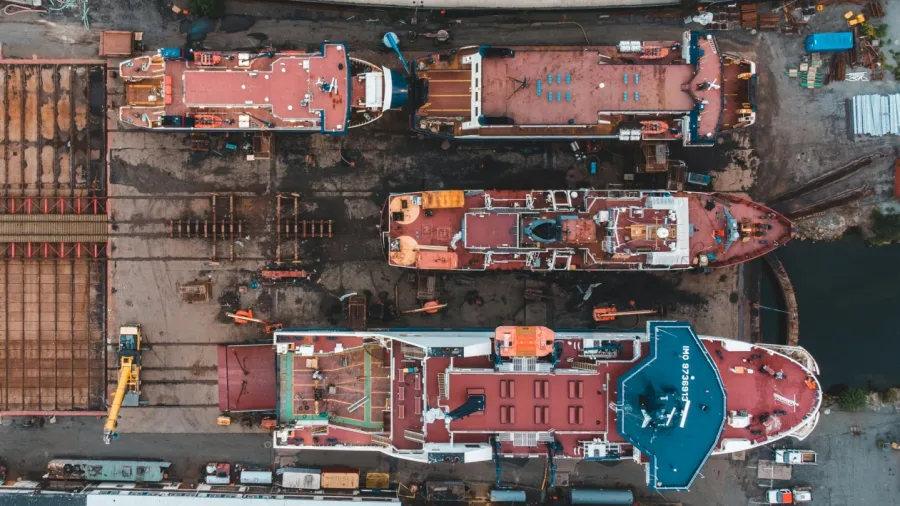
Yangzijiang Maritime Development is expanding its ship building programme after securing contracts for another 11 vessels at a number of Chinese shipyards. The new orders further strengthen the Group’s presence in the bulk carrier and product tanker segments, with deliveries planned for 2029 and 2030.
The newest agreements are for four bulk carriers of 82,000 dwt each and carry an option for two further sister vessels. The programme also includes seven LR2 product tankers of 114,000 tons deadweight each.
With these agreements, Yangzijiang Maritime’s total newbuild portfolio is now 111 vessels including exercisable options. The portfolio includes seven vessels delivered so far, of which one was transferred to a buyer under a sales agreement. It also includes 86 firm newbuild vessels on order, of which 18 have already been resold, including the unit delivered to its buyer. There are a further 18 vessels available in optional slots.
This expansion forms part of the Group’s strategy to enhance earnings visibility and create additional opportunities for growth in the business. Yangzijiang Maritime seeks to fortify its position and provide returns through the different shipping market cycles with a pipeline of newbuild investments.
Yangzijiang Maritime CEO Ren Yuanlin said the newbuild programme is a strategic component of the company's business model. “The approach enables the Group to acquire modern vessels on favourable commercial terms, whilst delivering returns through strategic asset ownership,” he said.
He also mentioned the company’s strategy for asset monetization to support future investments. The Group can realise gains through the timely sale of vessels and reinvest the proceeds into further newbuild projects.
“Disciplined asset sales combined with continued investment create a self-reinforcing cycle of capital allocation and expansion,” Ren said. This approach is intended to support sustainable development and enable the company to navigate the changing conditions of shipping cycles.
END OF REPORT