Business Nov 4, 2026
3M accelerates industrial restructuring, shutting 16 facilities and targeting 10 more
The US industrial group is overhauling its manufacturing and distribution footprint, with further facility changes planned over the next 12 months as it pursues $1 billion in annual productivity gains by the end of 2027.
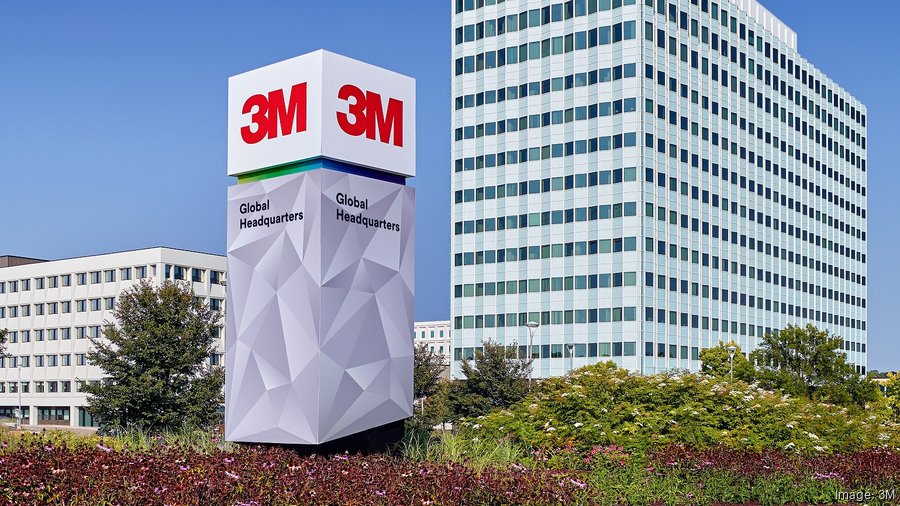
3M is stepping up its operational restructuring, having closed 16 manufacturing facilities and distribution centers since the beginning of its fiscal year. The company is now preparing to implement further changes at 10 additional sites over the next 12 months, according to Chairman and CEO William Brown during the October 20 earnings call.
The measures form part of a broader transformation programme designed to improve operational efficiency, simplify internal processes and reshape the company's industrial network. The initiative is expected to deliver $1 billion in annual productivity improvements by the end of 2027.
A smaller industrial footprint and a more streamlined network
The restructuring involves more than simply reducing the number of operating facilities. According to 3M's regulatory filings, the company is working to standardise essential business processes, simplify manufacturing operations and optimise its distribution infrastructure.
Seven of the 16 facility closures announced this year were linked to the completion of the sale of 3M's Precision Grinding and Finishing business on April 1. Two of those seven sites were located in the United States.
During an April investor update, Brown also disclosed the closure of another manufacturing plant, alongside plans to shut down or partially close three additional facilities. At the time, these measures were expected to bring the company's total number of manufacturing plants down from 108 to fewer than 100.
However, the financial benefits of such decisions will not be immediate. Brown previously cautioned investors that the returns generated by factory closures could take between three and five years to materialise.
Speaking at the JPMorgan Industrials Conference in March, he acknowledged that these decisions were difficult and carried significant risks, helping explain why the company had not undertaken similar measures on this scale in the past.
Another restructuring focus: distribution efficiency
3M is also consolidating its manufacturing, shrinking its distribution network and improving inventory management.
The company is working to bring its inventory days down from the high 90s to the mid 70s. “Every day of inventory we take out of the system is about $35 million,” Brown said, emphasizing the financial heft of improving inventory management.
The aim of this approach is to free up capital and to make the supply chain more responsive and efficient.
Automation is another major piece of the transformation. Over the next three years, 3M plans to invest more than $250 million in standardized automation solutions that can be rolled out to its manufacturing plants and distribution centers.
The investment will involve automating warehouses and replacing or automating manual processes at factories. The idea is to roll out uniform technologies across the network, rather than relying on patchy operational enhancements.
$1 billion productivity target on track
3M has already made progress toward its financial target. Brown said at the Wells Fargo Industrials and Materials Conference in June that the company expects to have delivered at least half of its $1 billion annualized net productivity target by year-end.
“We have saved so far, and purchasing and logistics have been part of that.” The company expects to deliver some of the benefits of consolidation of its manufacturing and distribution network by the end of fiscal 2027.
The restructuring program was announced months before 3M’s exit from the manufacture of PFAS, or forever chemicals, by the end of 2025.
“PFAS liabilities are still part of the company’s wider transformation
The industrial group’s operational overhaul also takes place against the backdrop of significant environmental liabilities linked to PFAS contamination.
These chemicals have been tied to contamination of drinking water, and 3M has reached a settlement in federal court to pay claims from public water suppliers. The deal provides for payments of $10.5 billion to $12.5 billion.
The company’s exit from PFAS manufacturing removed one significant chunk of its environmental exposure, but the broader restructuring aims to improve operational efficiency, reduce costs and boost the performance of its industrial and distribution businesses.
So far 3M has shut down 16 facilities and plans to alter operations at 10 additional sites as it continues to retool its manufacturing and logistics footprint in pursuit of its 2027 productivity goals.
END OF REPORT