



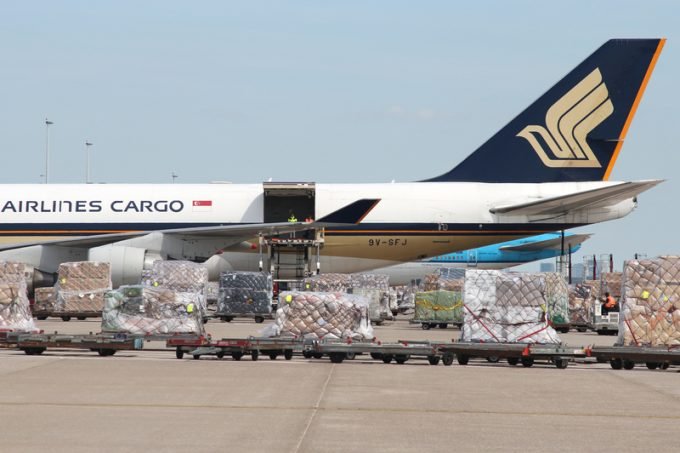
Cargo flights between Asia and Europe have just become more complicated again. After a safety alert affecting certain overflight areas, several airlines have chosen to avoid normally used corridors, imposing longer routes. Immediate result: flight times are extended, fuel consumption increases, and additional operational pressure is placed on already strained networks at the beginning of the year.
But the most interesting point for the market is the discrepancy between the rising operational costs… and a pricing dynamic that, on the other hand, shows signs of easing. After the end-of-year peaks, seasonality returns to its rightful place: capacity gradually rebalances and demand normalizes across several axes, which limits the ability of carriers to fully pass on the additional costs to shippers.
For shippers, the challenge becomes twofold: securing reliable transit times despite more complex routes, while taking advantage of a less “overheated” pricing environment than during peak season. For freight forwarders, it is also a test of transparency: explaining transit discrepancies, anticipating impacts on connections, and protecting high-value chains (pharmaceuticals, e-commerce, critical parts) where even the slightest delay is costly.