



Maersk built its global reputation on container shipping, but the company is now pursuing a far more consumer-facing ambition: parcel delivery.
The strategy is rooted in a simple calculation. According to Sam Coiro, head of e-commerce commercial business development at Maersk, the group was already handling most of the supply chain for major shippers. It was picking up goods, moving them by sea, storing them in warehouses and managing fulfilment. The missing piece was final delivery to the customer.
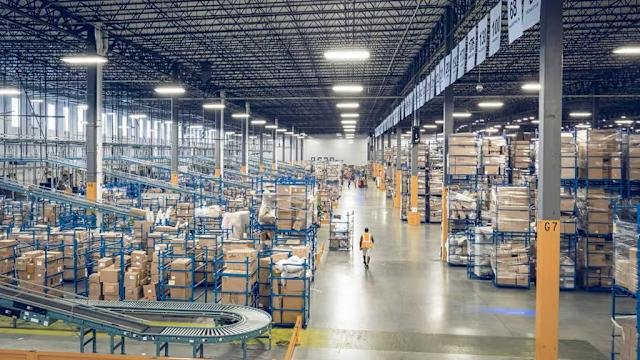
That gap triggered a broader expansion into parcel logistics. Maersk acquired Visible Supply Chain Management, a parcel reseller with e-fulfilment centres across the United States, as well as B2C Europe, a major multi-carrier shipping platform. Together, those acquisitions helped form the basis of Maersk Parcel, a platform designed to give shippers a single label, one invoice, one rate card and a unified tracking experience.
Behind the scenes, however, the system relies on a complex blend of Maersk-owned assets and external carrier partnerships. The company has built a multi-carrier network that combines national parcel providers with regional specialists, allowing it to move packages across the country while maintaining flexibility.
Coiro said the real operational challenge in parcel logistics is not seasonal peaks such as Black Friday or Cyber Monday, which are predictable, but sudden surges in consumer demand driven by unexpected events such as viral product trends or major brand launches. Those spikes can disrupt fulfilment planning and strain capacity almost overnight.
To address this, Maersk is relying heavily on data modelling and artificial intelligence. The company analyses how accurate each customer’s forecasts have been over time and uses those patterns to project more realistic demand ranges. That helps Maersk plan labour, trucks, sortation capacity and route allocation earlier rather than scrambling to respond at the last minute.
This forecasting approach becomes even more valuable at scale. Maersk is not managing just a handful of customers but hundreds, and the ability to anticipate volatility across a broad portfolio is central to keeping the network flexible.
The company’s multi-carrier strategy is also designed to reduce dependence on any one provider. Larger national carriers remain part of the mix, but regional operators are especially important because they bring geographic expertise and a greater willingness to flex around volume needs. Maersk also uses its own ground freight assets where the network fit makes sense.
Every new shipper is assessed through a modelling exercise based on six to 12 months of shipment history. That data is used to identify the right combination of carriers depending on the type of product, promised delivery time and customer budget.
The model is also meant to improve resilience when service disruptions occur. When a shipper plugs into Maersk’s API, the system returns a pre-priced shipping label and determines which carrier will handle the package. If that carrier encounters a problem, Maersk can reroute the shipment through another provider where possible, without requiring any action from the customer. The tracking number remains the same, while delivery estimates can be adjusted automatically.
For shippers, the value proposition is clear: less concentration risk and fewer operational headaches. Companies relying on only one parcel network may face serious disruption when capacity tightens or service deteriorates. Maersk’s approach offers more options while preserving a simple interface.
The company also sees parcel logistics as part of a broader growth platform. Customers entering through parcel services can later connect to Maersk’s wider logistics ecosystem, including air freight, customs clearance, international ocean shipping and domestic ground transport. The same model also supports cross-border e-commerce flows, whether inventory is stored overseas or moved into destination markets in bulk before local fulfilment.
For Maersk, the push into parcel delivery is not just an extension of logistics capabilities. It is an effort to control more of the value chain, from container to consumer doorstep.