



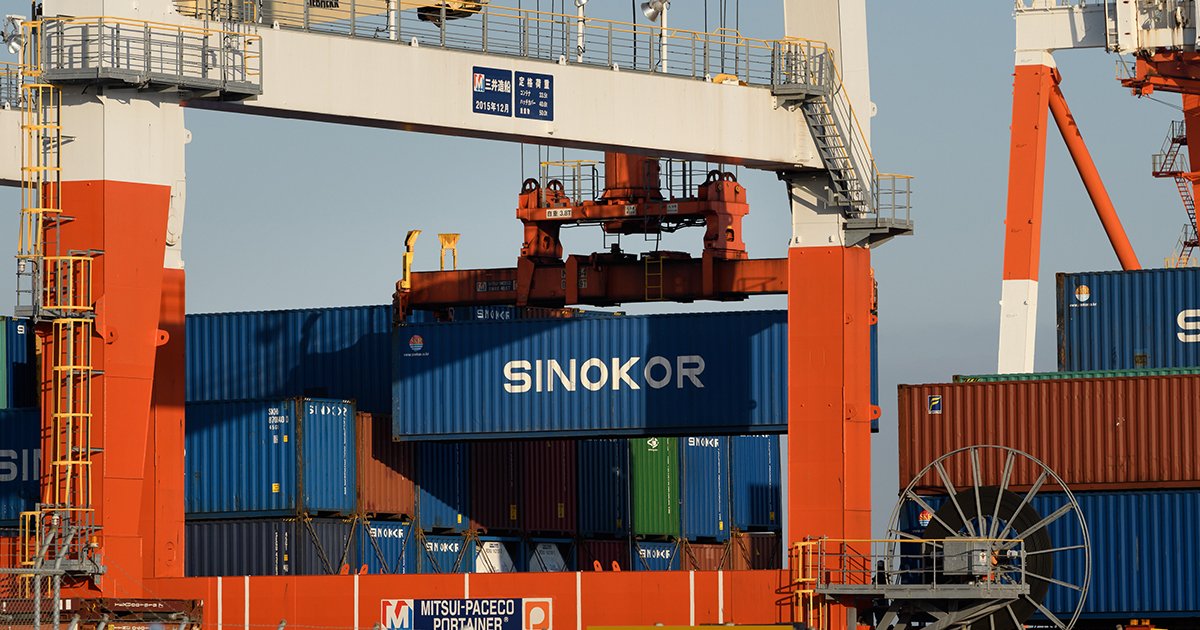
Mediterranean Shipping Co. is making a significant move beyond container shipping, signaling its intention to become a serious player in the tanker business through a planned acquisition of 50% of Sinokor Maritime.
The deal surfaced through filings made with Greek and Cypriot regulators by SAS Shipping Agencies Services, a Luxembourg-based subsidiary of MSC. Under the transaction, MSC will take half of the South Korean company, while Seoul-based businessman Ga-Hyun Chung will retain the remaining 50%.
Sinokor has emerged as a major force in the crude tanker sector. According to VesselsValue, the company bought 35 of the 45 very large crude carriers sold globally up to late January, representing 78% of the year-to-date VLCC sale-and-purchase market. Reuters reported that Sinokor controlled around 78 active VLCCs.
VLCCs form a relatively small but critical segment of the global tanker fleet. Out of as many as 9,000 tankers worldwide, roughly 900 to 1,000 are VLCCs. Each vessel is capable of carrying around 1.9 million to 2.2 million barrels of crude oil per voyage and is typically deployed on long-haul routes such as Middle East–Asia and Middle East–Europe.
The acquisition marks a notable strategic expansion for MSC, which until now has been best known as the world’s largest container shipping line. According to Alphaliner, MSC controls 7.23 million TEUs of container capacity, giving it a 21.5% share of the global market. Maersk, in second place, holds 4.63 million TEUs, or 13.8%.
The group, controlled by billionaire Gianluigi Aponte, has spent heavily in recent years on new container tonnage. But the move into tankers suggests a broader ambition: to diversify deeper into energy transportation at a time when crude shipping has become both strategically and commercially attractive.
By aligning itself with one of the most active buyers in the VLCC market, MSC is not just adding exposure to tankers — it is entering the sector at scale.