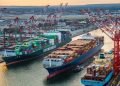




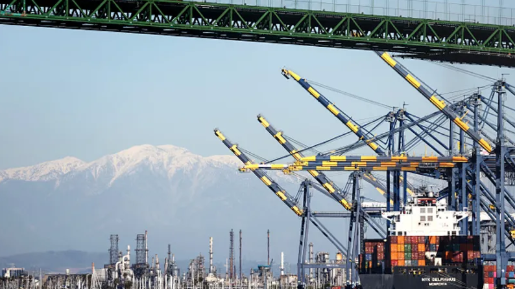
The Port of Los Angeles recorded a strong performance in April, even as global trade continues to operate under the shadow of the ongoing Iran-related conflict and disruptions in key maritime routes.
Executive Director Gene Seroka said April was the port’s strongest month of the year so far, with nearly 891,000 twenty-foot equivalent units processed. That figure also marks the highest monthly volume since August 2025, reflecting steady import activity despite broader uncertainty in global shipping markets.
Cargo flows remain stable overall, with spring and summer goods already arriving through the port. According to Seroka, the next wave of shipments will focus on back-to-school merchandise, followed by early holiday inventory later in the year. He also noted that US manufacturing activity has remained consistent, supporting a steady flow of industrial parts and components through the gateway.
Consumer demand is still strong, but behavior has shifted. Seroka described buyers as continuing to spend at near-record levels while increasingly focusing on value and discounts, a trend that could influence how shipping volumes evolve in the coming months.
He also cautioned that year-on-year comparisons are being distorted by last year’s policy driven fluctuations, particularly tariff announcements that affected import timing. Despite this, he said overall performance remains stable compared with the five-year average, with roughly a 2% increase reflecting relatively balanced conditions.
However, Seroka emphasized that geopolitical tensions are still weighing heavily on global logistics, particularly through the situation in the Strait of Hormuz. He described the waterway as a critical global trade artery, noting that it typically handles more than 100 vessels per day, but now sees only a handful due to ongoing disruption.
The impact extends well beyond oil markets. Around 20% of global energy flows through the strait, influencing fuel prices worldwide, but Seroka also highlighted knock-on effects on fertilizers, plastics, aluminum and other key manufacturing inputs used in everyday goods.
He added that the disruption has also affected aviation, with approximately 2,600 flights in Asia reportedly delayed or canceled in the past week due to rising fuel costs linked to the situation.
Even in the event of a resolution, Seroka warned that global shipping would not immediately return to normal. Clearing vessel backlogs and re-establishing regular schedules would take time, with recovery dependent on a sustained and credible peace agreement.
Despite the uncertainty, he said he does not currently see major short-term risks to cargo flows. During recent visits to major manufacturing hubs in China, he observed no widespread cancellations of purchase orders, suggesting underlying demand remains intact.
For now, he said shipping planning cycles remain relatively short, with US importers continuing to make decisions based on expected consumer demand roughly 90 to 120 days ahead of container arrivals.