



The sharp rise in US on-highway diesel prices showed signs of slowing this week, according to the latest Energy Information Administration data, but costs remain at levels not seen in years and California continues to stand apart from the national trend.
The EIA’s weekly update showed diesel prices across the US rose by 2.6 cents compared with the previous week. While still an increase, it marked a significant slowdown from the 30-cent jump reported a week earlier.
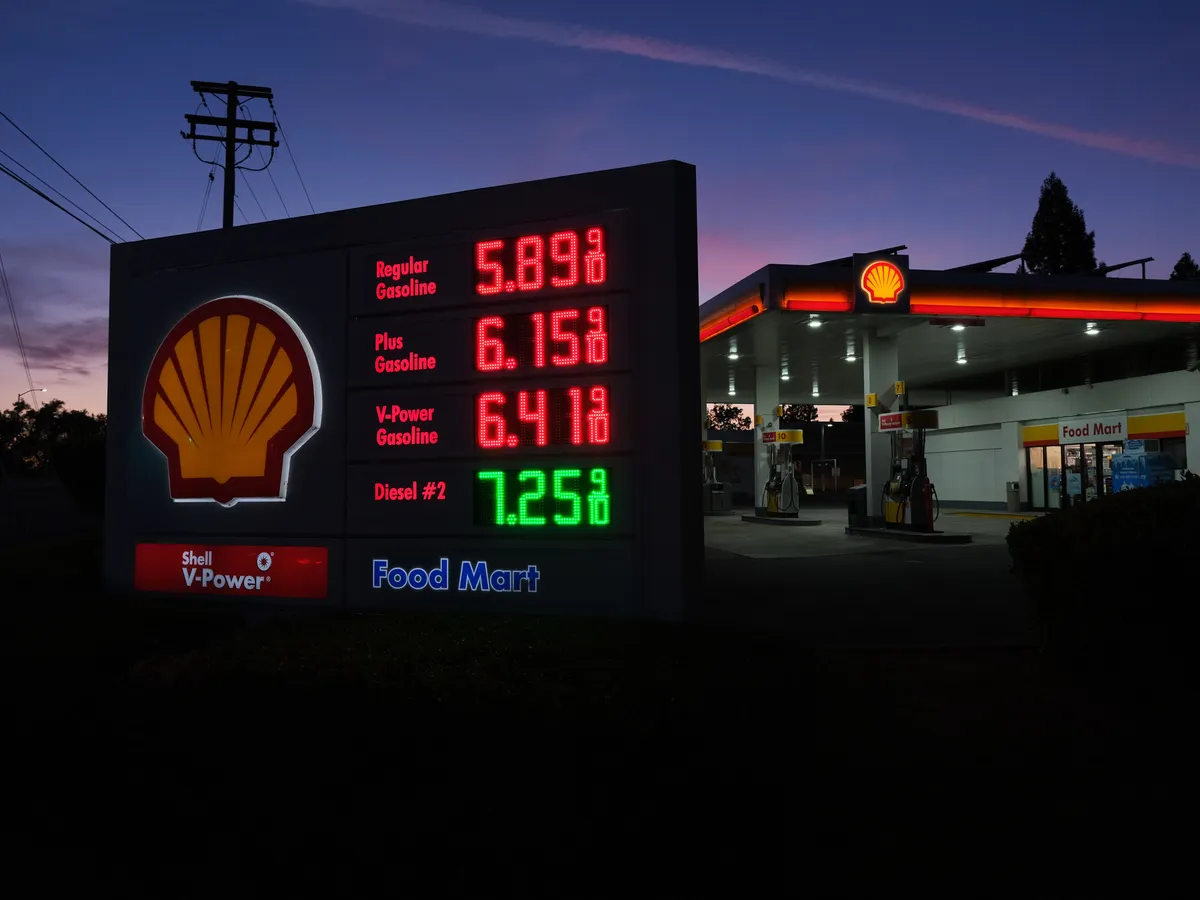
Three of the seven US regions tracked by the EIA recorded week-on-week declines: the Lower Atlantic, the Midwest and the Gulf Coast. California, however, moved in the opposite direction, with the state’s average climbing by around 35 cents to nearly $7.22 per gallon.
The broader fuel spike had followed the US and Israeli attack on Iran, which triggered immediate volatility in energy markets. Until Monday’s reading, diesel prices had been climbing consistently across all US regions.
Petroleum prices can fluctuate sharply even in calmer conditions, but the military conflict has intensified the swings. Brent crude rose steeply earlier in March before moderating later in the month, offering some relief, though not enough to bring prices back to normal levels.
Despite the slower pace of increase, diesel remains dramatically more expensive than it was at the start of the month. FTR vice president of trucking Avery Vise said in a recent podcast that diesel’s jump from under $3.90 on March 2 to $5.07 on March 16 was the fastest two-week increase ever recorded, overtaking the previous record set in March 2022.
For trucking operators, fuel is often passed through to customers, but the impact does not stop there. C.H. Robinson Worldwide noted in a recent market report that higher diesel costs can influence deadhead mileage and shift market share toward fleets with stronger fuel efficiency and tighter cost control.
California’s continued rise also reflects structural issues beyond the conflict itself. The state has previously pointed to its limited pipeline infrastructure as one reason why it can diverge from national price movements, even when the broader market begins to cool.
That contrast is especially notable given that overall US domestic petroleum production reached a record high last year, supported by continued growth in the Permian Basin across New Mexico and Texas.