



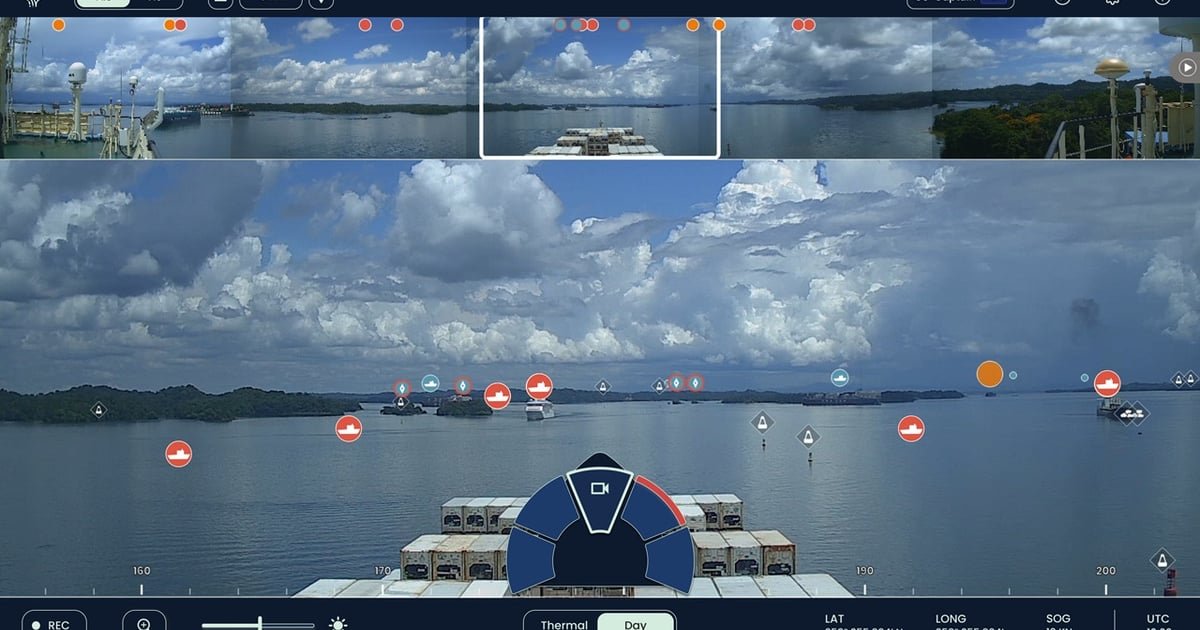
Artificial intelligence is beginning to make a measurable impact on navigational safety, according to a large-scale study carried out by Orca AI and mutual insurer NorthStandard.
The analysis, based on 139 vessels trading globally, found a 52% reduction in high-severity close encounters over a 12-month period. A 22% reduction had already been achieved after the first six months.
Yarden Gross, chief executive and co-founder of Orca AI, said the results have prompted discussions with hull and machinery underwriters and insurance brokers. While the system may not lead to direct premium cuts, he said it is likely to be viewed positively by insurers and could help slow the pace at which premiums rise.
The study covered voyages totalling nearly 11m nautical miles. Researchers compared the first three months after the system was implemented with the final three months of the test period, months ten to twelve.
The metric used was the number of high-severity incidents, assessed through factors such as closest point of approach, time to closest point of approach, COLREGs interactions and traffic density.
The findings were especially notable in congested sea areas, including the North and Baltic Seas and the China and Japan Seas. High-severity encounters fell by 36% and 18% respectively in those regions.
The latest results build on a previous 12-month study released in October 2025, which examined 107 container ships covering the equivalent of 116 ship-years and 8m nautical miles. That study showed a 58% reduction in high-severity close encounters over a year.
The new analysis also found a behavioural shift among bridge teams. Over time, navigators made greater use of the Orca AI system in more demanding operating conditions, including dense traffic, multiple contacts and high-pressure decision-making environments.
Colin Gillespie, NorthStandard’s head of loss prevention and a former seafarer, described the results as a paradigm change in safety. He said a combination of fleet growth, crewing shortages, rising asset values and increasing disruption to navigation systems, including GNSS jamming and spoofing, is making today’s operating environment far more complex and less forgiving.
According to Gillespie, better situational awareness and earlier risk detection can materially reduce close-quarters situations, leading to safer operations, lower navigational risk and more consistent decision-making for bridge teams.
Gross said the joint study validates what Orca AI has been seeing across its customer base for several years: better-informed decisions taken earlier on the bridge lead directly to safer voyages. As this becomes measurable across more fleets, he said it is likely to influence how risk is assessed by the insurance market over time.
Orca AI customers include Cardiff Gas, Eastern Pacific Shipping, Maran Tankers, MSC, NYK and Seaspan. The system is now installed on more than 1,000 vessels trading worldwide.