



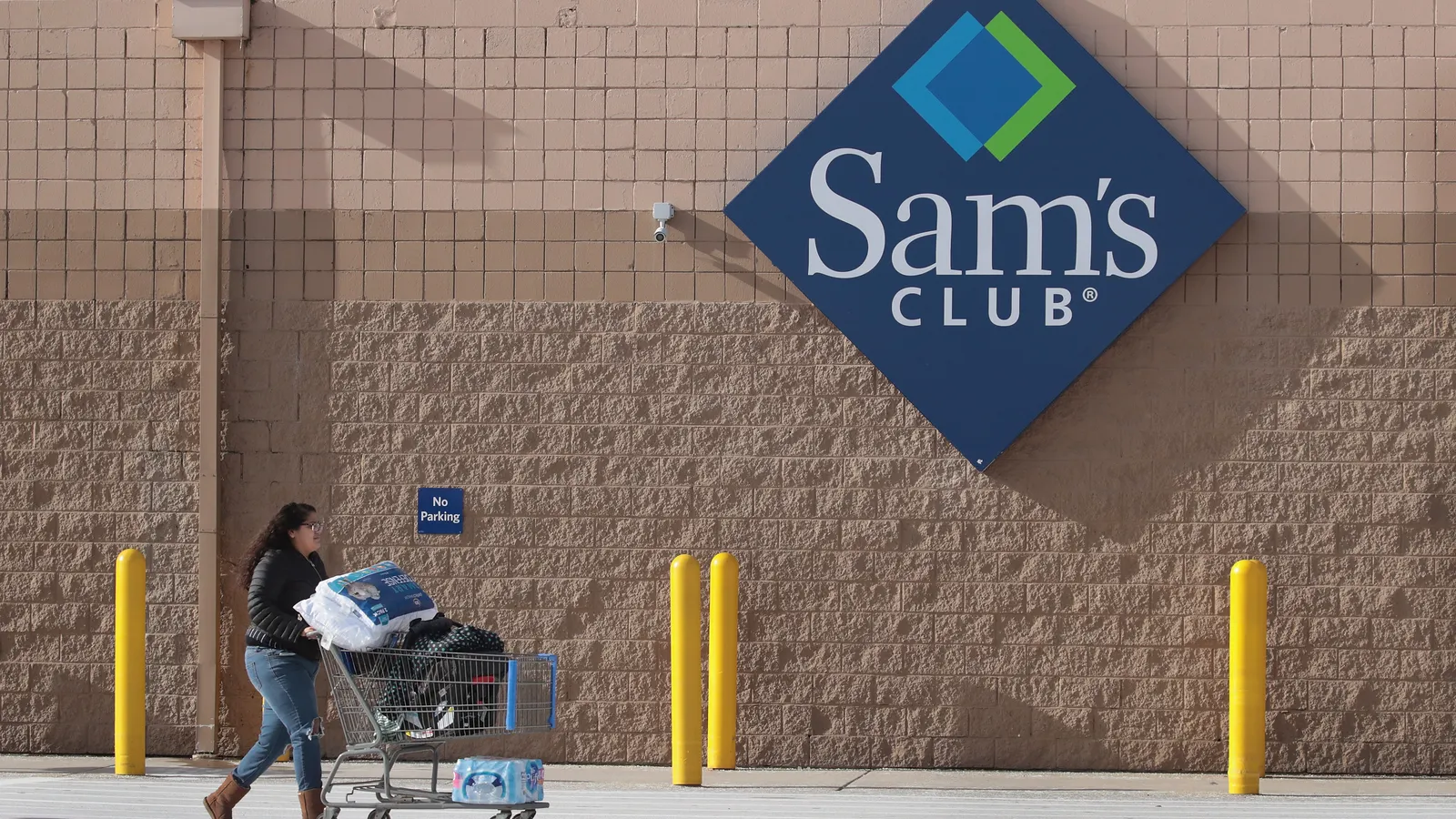
Sam’s Club has rolled out a new one-hour delivery option across more than 600 locations, responding to rising customer demand for faster fulfilment and strengthening its position in the growing rapid-delivery segment.
The Walmart-owned retailer announced that after initial testing in selected markets, the new Express service launched widely on April 2 and has already fulfilled nearly 65,000 orders.
The addition gives Sam’s Club members two express delivery options. The first is its existing three-hour-or-less service, priced at $5 for Plus members and $17 for Club members. The second is the new one-hour-or-less option, which costs $10 for Plus members and $22 for Club members.
According to Sam’s Club, the average Express order is placed, picked and delivered in 55 minutes, while some orders have reached customers in as little as 10 minutes.
The company said a significant share of these orders includes everyday essentials such as water, produce, rotisserie chicken and paper goods, suggesting that shoppers are using the service not simply for convenience, but for immediate and practical household needs.
Greg Pulsifer, senior vice president of e-commerce at Sam’s Club, said members already valued the three-hour service but had clearly expressed a desire for an even faster option.
The expansion comes as rapid delivery gains traction more broadly across the retail and parcel sectors, with Amazon and FedEx also introducing or scaling faster shipping services.
Availability of one-hour and three-hour delivery depends on factors such as eligible products, inventory levels and delivery location.
The launch also fits into Walmart’s wider push to capture a larger share of online grocery demand. During a fourth-quarter earnings call in February, Walmart president and chief executive John Furner said use of sub-three-hour delivery options in the US had grown by more than 60% year on year.
Retail analyst Neil Saunders of GlobalData said the new service strengthens Walmart and Sam’s Club’s efforts to position themselves as the destination for all grocery missions — from weekly stock-up trips to urgent purchases. He warned that failing to serve every mission type could push shoppers toward rivals such as Amazon, particularly in grocery and quick delivery.