




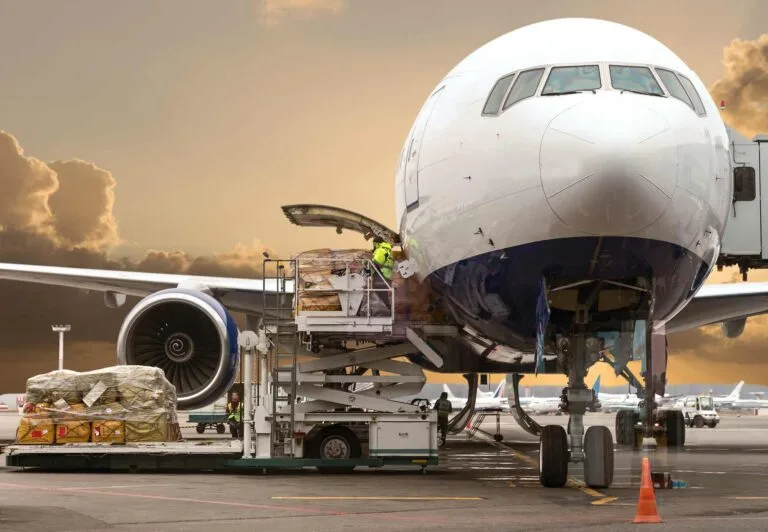
Airfreight is once again proving its strategic value as global trade growth slows, with demand continuing to outperform broader economic conditions.
While merchandise trade is expected to expand by less than 1 percent in 2026, air cargo demand is forecast to grow by around 2.6 percent, underlining the sector’s increasing importance for high-value and time-sensitive goods.
The difference is being driven by cargo mix.
Shipments such as semiconductors, servers, telecom equipment and other low-weight, high-value products are taking a growing share of volumes. Structurally strong e-commerce flows are also helping support demand.
Artificial intelligence investment is adding another layer of momentum.
Spending on chips, computing infrastructure and data centres is generating new logistics flows across global supply chains, creating steady demand for rapid replenishment, temperature-controlled transport and precision handling.
However, the same AI boom is also creating new challenges.
Data centres are sharply increasing electricity demand, intensifying competition for renewable energy. This could slow the development of Sustainable Aviation Fuel, which depends on renewable inputs and large-scale capital investment.
Capacity remains the market’s main operational constraint.
Aircraft shortages linked to delivery delays, engine maintenance backlogs and supply chain bottlenecks are limiting fleet growth. Freighter programmes continue to face delays, while fewer passenger aircraft are available for conversion as airlines keep older fleets in service longer.
As a result, cargo capacity growth is lagging demand.
This imbalance is keeping load factors elevated and supporting freight yields, which remain well above pre-pandemic levels despite some softening in 2025.
Asia-Pacific continues to lead growth, particularly on Asia-Europe and intra-Asia routes, driven by electronics, manufacturing realignment and e-commerce demand.
For airlines, cargo remains an important source of financial resilience, especially at a time when passenger yields are softening and operating costs remain under pressure.
⸻