




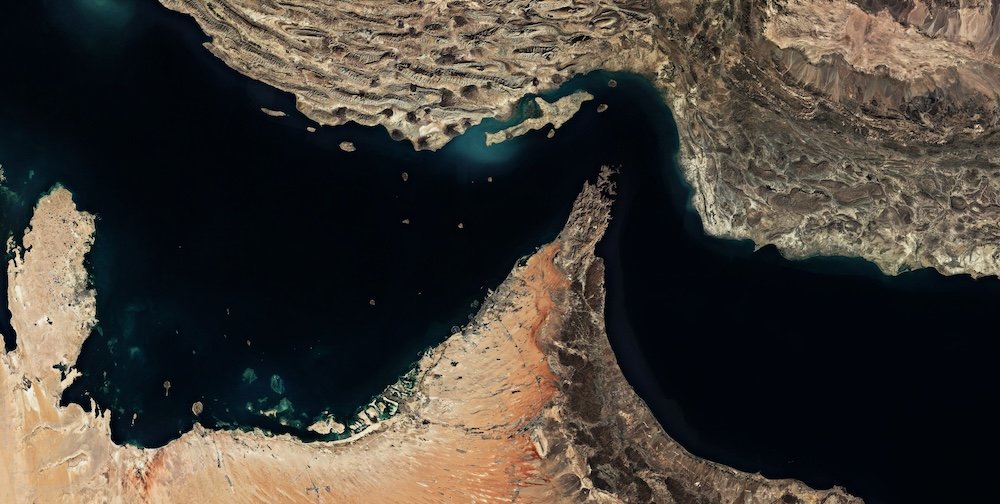
Ongoing disruption linked to the Strait of Hormuz is beginning to reshape global jet fuel markets through tighter trade flows, shifting refinery priorities and higher airline costs.
Analysts estimate the crisis could remove around 620,000 barrels per day of jet fuel and kerosene supply during the second quarter of 2026.
The pressure comes from both interrupted regional flows and lower refinery output in parts of Asia that depend heavily on Middle Eastern crude feedstock.
Despite this, the immediate issue is not a total global shortage.
Instead, markets are adjusting through pricing and allocation decisions, with jet fuel increasingly competing against diesel inside constrained refining systems.
Diesel often receives priority because of its importance to trucking, industry and inflation-sensitive sectors.
Jet fuel, while critical to aviation, typically has less protection in refinery yield decisions.
As margins tighten, output can therefore shift away from aviation fuel.
Jet fuel is currently trading at a premium of around $50 to $70 per barrel over crude oil, increasing operating costs for airlines worldwide.
Rather than grounding fleets outright, the result is more subtle capacity management.
Carriers are trimming marginal routes, redeploying aircraft to stronger markets and adjusting schedules to preserve profitability.
Europe entered the disruption with significant reserves, including strategic stocks estimated at around 25 million barrels, plus broader commercial and compulsory storage.
Those reserves provide short-term protection, but prolonged disruption into peak summer demand would increase pressure.
Asia remains more exposed because of its heavier dependence on Middle Eastern crude and refined product imports.
The United States is comparatively stable thanks to domestic refining strength, though US carriers still face globally elevated pricing.
Across the industry, higher fuel costs are likely to accelerate retirement of older aircraft and favour newer, more efficient fleets.