




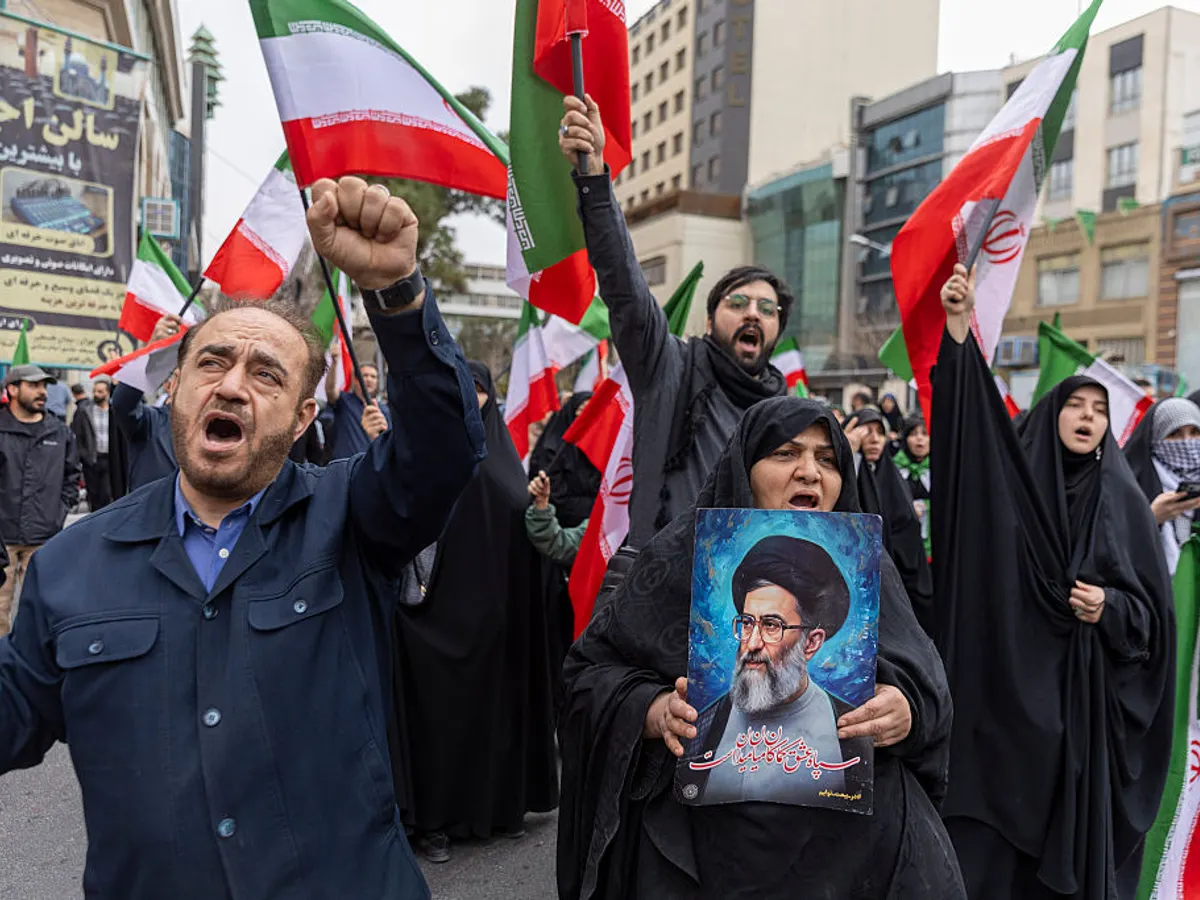
The conflict involving Iran is slowing economic momentum and reigniting inflation pressures across major sectors, according to new purchasing managers index data from S&P Global.
The group said output growth has fallen to its weakest three-month pace since the start of 2024.
At the same time, output prices rose this month at the fastest pace since mid-2022.
Manufacturers saw goods-price inflation climb to a ten-month high, while service-sector selling prices rose at the fastest rate in 45 months.
S&P Global Chief Business Economist Chris Williamson said the April PMI data is consistent with an economy struggling to achieve annualised growth above 1 percent.
He said the war in the Middle East is a central cause of the slowdown.
Services businesses have been particularly affected, with households and companies reducing spending across travel, tourism and financial services.
Higher energy prices, fears of further inflation and concerns over borrowing costs are weighing on sentiment.
Brent crude oil has risen sharply since late February, climbing from around $73 per barrel to approximately $105.
Employment conditions have also weakened.
Jobs growth edged only slightly higher after falling in March, creating the weakest two-month employment backdrop since late 2024.
Manufacturing presented a more mixed picture.
Factory output rose at the fastest pace in four years, supported by strong new orders as customers built inventories ahead of possible shortages and further price increases.
Analysts also noted that spending linked to artificial intelligence infrastructure is helping support manufacturing activity.
Even so, confidence remains notably weaker in the services sector, where inflation, supply bottlenecks and policy uncertainty continue to weigh on demand.