




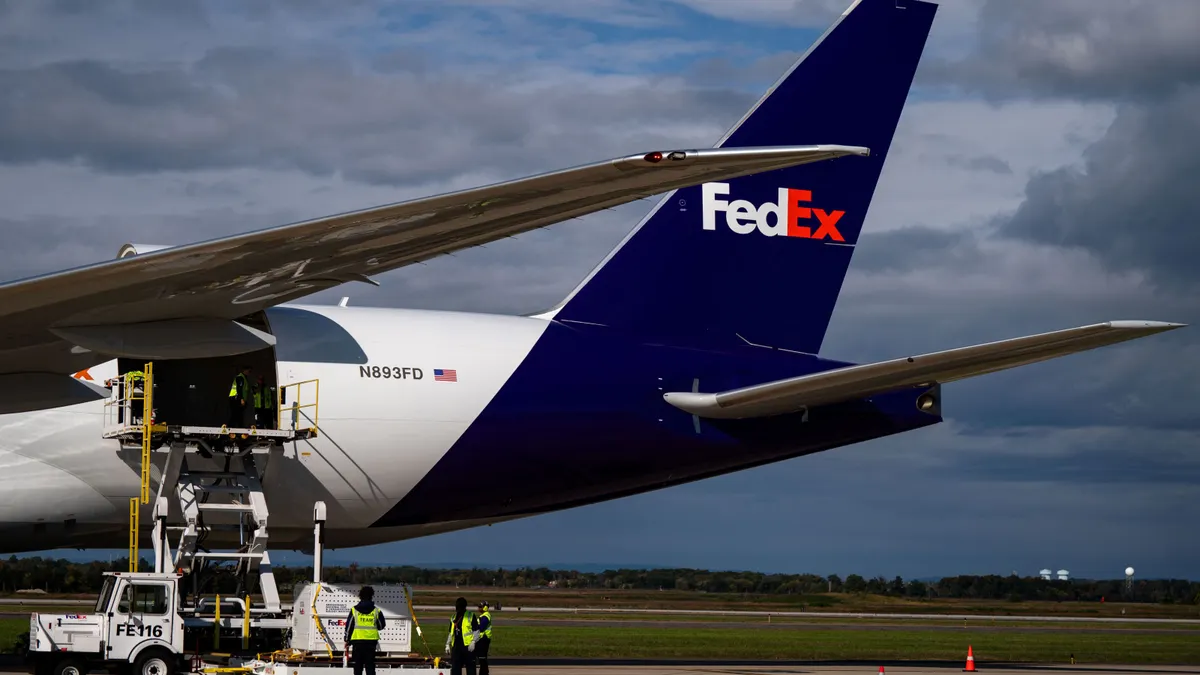
UPS and FedEx have introduced new international surcharges and higher fuel surcharge rates, increasing cost pressure for parcel shippers moving goods across global markets.
The changes affect a wide range of import and export shipments, including parcels moving to and from the United States.
UPS is applying a temporary surcharge of $0.32 per pound on shipments to the US from most origin countries and territories, except where emergency fees are already in place.
The company said the measure is intended to maintain service quality and speed while continuing to meet customer shipping needs.
FedEx and UPS are also increasing fuel surcharge calculations for international import and export services. For example, if jet fuel reaches $4 per gallon in a given week, FedEx will apply a 38.5% fuel surcharge on international exports, compared with the previous 36.5% rate.
DHL eCommerce is also raising domestic fuel surcharge rates from May 30.
The adjustments come as logistics providers pass on higher operating expenses. Fuel-linked surcharges have risen as tensions involving Iran and disruption around the Strait of Hormuz continue to affect global oil supply.
UPS chief financial officer Brian Dykes said the company manages fuel exposure through fuel surcharges, adding that UPS’s business model differs from passenger airlines because surcharge indexes protect earnings from fuel price volatility.
Parcel consultants say UPS and FedEx have adjusted surcharge formulas several times in recent quarters, making fuel costs more significant when underlying fuel prices rise.
Ground fuel surcharges increased 26.7% year on year in the first quarter, outpacing the 10% rise in diesel prices, according to the TD Cowen/AFS Freight Index.
Experts say shippers can reduce the impact by negotiating discounts, reviewing other parcel costs or exploring alternative carriers. They should also update landed cost models and compare carrier increases to understand their exposure.