




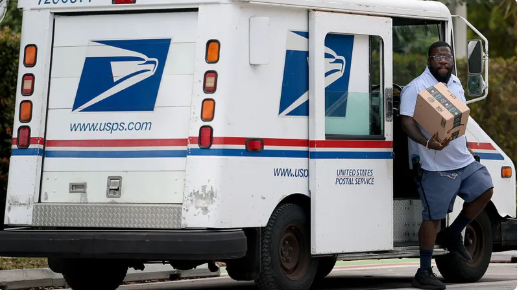
The US Postal Service (USPS) is about to change the way it measures and prices parcels, in a move that will bring its pricing approach much closer to FedEx and UPS. The updated system comes into effect on July 12 and will affect a wide range of shipments across its network.
The first change is quite straightforward but important for pricing. USPS will start rounding any fractional inch in package dimensions up to the next whole number. So a parcel measuring 12.2 inches, for example, will be treated as 13 inches when calculating cost, according to a notice published on May 11.
It’s a small adjustment on paper, but in practice it tends to push more parcels into higher pricing brackets, especially for larger but lightweight shipments.
USPS is also changing how it calculates dimensional weight, which is based on how much space a package takes up rather than just how heavy it is. From July 12, the agency will use a divisor of 139 instead of 166. The formula remains the same in principle length multiplied by width multiplied by height, then divided by the divisor but the lower number generally results in higher billable weight.
That means more parcels will be priced using dimensional weight, particularly bulky items that don’t weigh much. Logistics data platform Loop has already warned shippers that this could increase costs across a broad range of volumes, and is encouraging companies to review their packaging setups before the changes kick in.
The new rules will apply to USPS Ground Advantage, Parcel Select, Priority Mail and Priority Mail Express services, specifically for parcels larger than one cubic foot.
USPS says the goal is to improve efficiency across its ground and air networks while keeping service levels stable. It also argues that aligning its method with industry standards used by FedEx and UPS will make pricing more consistent for businesses and consumers.
On top of this, USPS will expand dimensional reporting requirements and remove ounce-based rate differences for Ground Advantage Commercial shipments on the same day the new system goes live.