



As oil shipments gradually resume through the Strait of Hormuz following recent diplomatic developments, debate is intensifying over who should benefit from the renewed flow of crude exports.
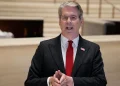
During a webinar organised by BTIG, International Seaways (INSW) Chief Executive Officer Lois Zabrocky voiced strong concerns regarding the temporary waiver of US sanctions on Iranian oil exports, arguing that compliant shipowners should be the primary beneficiaries of the recovering market.
The discussion, which also featured Rystad Energy analyst Susan Bell, focused on the outlook for tanker markets and the pace at which oil exports from the Arabian Gulf could return.
Bell suggested that crude movements from the region may recover faster than current market forecasts indicate.
“We need to understand what those trade flows are, whether there are enough tankers available to carry those volumes, and ultimately whether there is sufficient destination demand for that oil,” she explained.
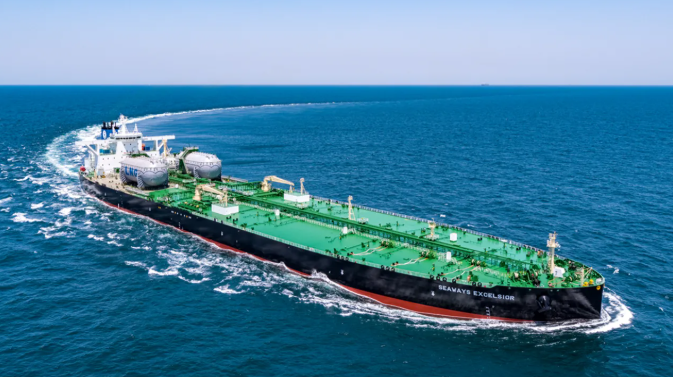
For Zabrocky, who oversees a fleet that includes approximately two dozen VLCCs and Suezmax tankers, the conversation quickly turned to concerns surrounding sanctioned Iranian shipping.
She noted that tracking vessel movements in the region remains challenging, particularly given the varying levels of transparency among operators.
“For owners that are not on the OFAC sanctions list, keeping AIS systems active is standard practice,” Zabrocky explained, referring to the Automatic Identification System used to monitor vessel locations.
She added that vessels currently loaded with cargo and still positioned in the Gulf are naturally eager to leave the region as quickly as possible.
“There are significant volumes of crude leaving the Arabian Gulf right now, but one of the developments we strongly dislike is that much of the oil moving most freely is being transported by sanctioned Iranian vessels,” she said.
Zabrocky specifically pointed to the fleet of the National Iranian Tanker Company (NITC) as well as what she described as approximately 150 VLCCs that have openly operated in violation of US sanctions.
Referring to the recent 60-day sanctions waiver granted to facilitate Iranian oil exports, she questioned the decision and raised concerns about the condition of some of the vessels involved.
“These ships are not always well maintained, and they have now been granted a temporary window to export crude,” she said. “We would prefer to see that permission withdrawn and for owners that have remained compliant with the law to benefit from open and unrestricted transit.”
Despite these concerns, the market is already showing signs of recovery.
When asked whether mainstream VLCC activity had begun shifting back toward the Middle East, Zabrocky confirmed that the trend is becoming increasingly visible.
“As exports from the Arabian Gulf move toward eight to nine million barrels per day, we are seeing VLCCs ballast back to the region,” she explained.
According to Zabrocky, the last 48 hours have already shown signs of strengthening activity in the western market, with a growing number of shipowners redirecting vessels toward the Middle East.
This marks a notable shift from recent months, during which many tanker operators focused on loading opportunities in the US Gulf, Brazil and Guyana. Those regions had benefited from increased export activity and longer voyage distances over the past quarter.
The CEO also addressed the strategy of Tankers International, the VLCC pool acquired by International Seaways earlier in 2026 and now expanding its activities into the Suezmax segment.
She indicated that shipowners remain cautious and are looking for evidence that tensions in the region have genuinely eased before fully committing vessels back to Gulf loading programmes.
“We are looking for sustained de-escalation,” Zabrocky said. “As the threat of active attacks diminishes, prudent shipowners will feel more comfortable returning to the region.”
While acknowledging recent diplomatic progress, she stressed that operators are still closely monitoring developments before making long-term decisions.
“Let’s see how everything develops,” she concluded. “What we want is open and secure transit through international waters, and we are beginning to see encouraging signs that this may be happening.”